
Contents
Magnesium plays a part in producing and converting energy — more than 300 enzymes in the body contain magnesium, including those that turn glucose into energy. Without magnesium, the energy released simply cannot be used. And when you exercise, the need for it is far greater.
In brief
- Athletes lose a great deal of magnesium through sweat — in hot weather, up to 2 litres of fluid per hour.
- A deficiency shows itself as night-time calf cramps, strains, muscle spasms and even torn muscle fibres.
- The recommended dose for athletes is around 5 mg of magnesium per kilogram of body weight.
- Magnesium is also absorbed through the skin — through massage, baths and compresses.
Why athletes need more magnesium
During intense exertion, lactate builds up in the muscles and limits physical activity. Clearing it from the body quickly again requires magnesium.
Heavy sweating during exercise removes considerable amounts of magnesium, especially in high temperatures and humidity. Add to this a faster metabolism and greater loss of magnesium through the kidneys. This is why athletes suffer from deficiency more often than people who do not exercise — and the magnesium from food is frequently not enough.
How much magnesium is needed
The recommended daily dose for athletes is around 5 mg per kilogram of body weight — for a person weighing 70 kg, that is about 350 mg. Taking it regularly during the recovery phase helps to maintain the form you have achieved. A deficiency can be avoided if magnesium is taken even before exertion.
Symptoms of magnesium deficiency
- Cramps and strains — painful calf cramps, most often at night; strains in the neck and shoulders, especially under stress.
- Neuromuscular over-excitability — twitching eyelids, tingling fingers, a tendency towards strains and tears.
- Nervous system — nervousness, poor concentration, irritability; with migraine, attacks may become more frequent.
- Heart — magnesium balances the action of calcium, and a deficiency can worsen rhythm disturbances.
Advice for night-time cramps
In the evening before bed, rub your calves with a magnesium solution or with massage gel with Black Sea lye. To make up a deficiency, however, regular and sustained intake is needed.
Why we do not get enough magnesium
- Disturbed balance — magnesium deficiency is found in 13% of all illnesses.
- Low intake — unbalanced eating, weight-loss diets, fast food.
- Increased needs — growth, pregnancy, breastfeeding, heavy physical and mental strain, alcohol, foods high in phosphates, certain medicines.
How to obtain magnesium
The main source is food, but how much is absorbed depends on its composition and preparation. The other ways are:
- As a supplement in food or water — a possible side effect is an upset stomach.
- Intravenously — only in hospital, under medical supervision.
- Transdermally — through the skin. The magnesium solution is absorbed easily and spreads through the body, and the body takes in mainly as much as it needs. The purity of the product is important.

ANCHIALO massage gel
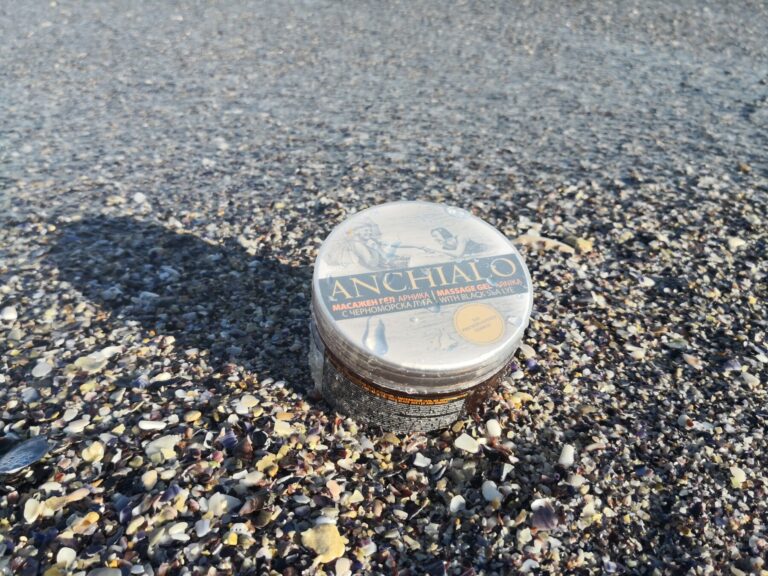
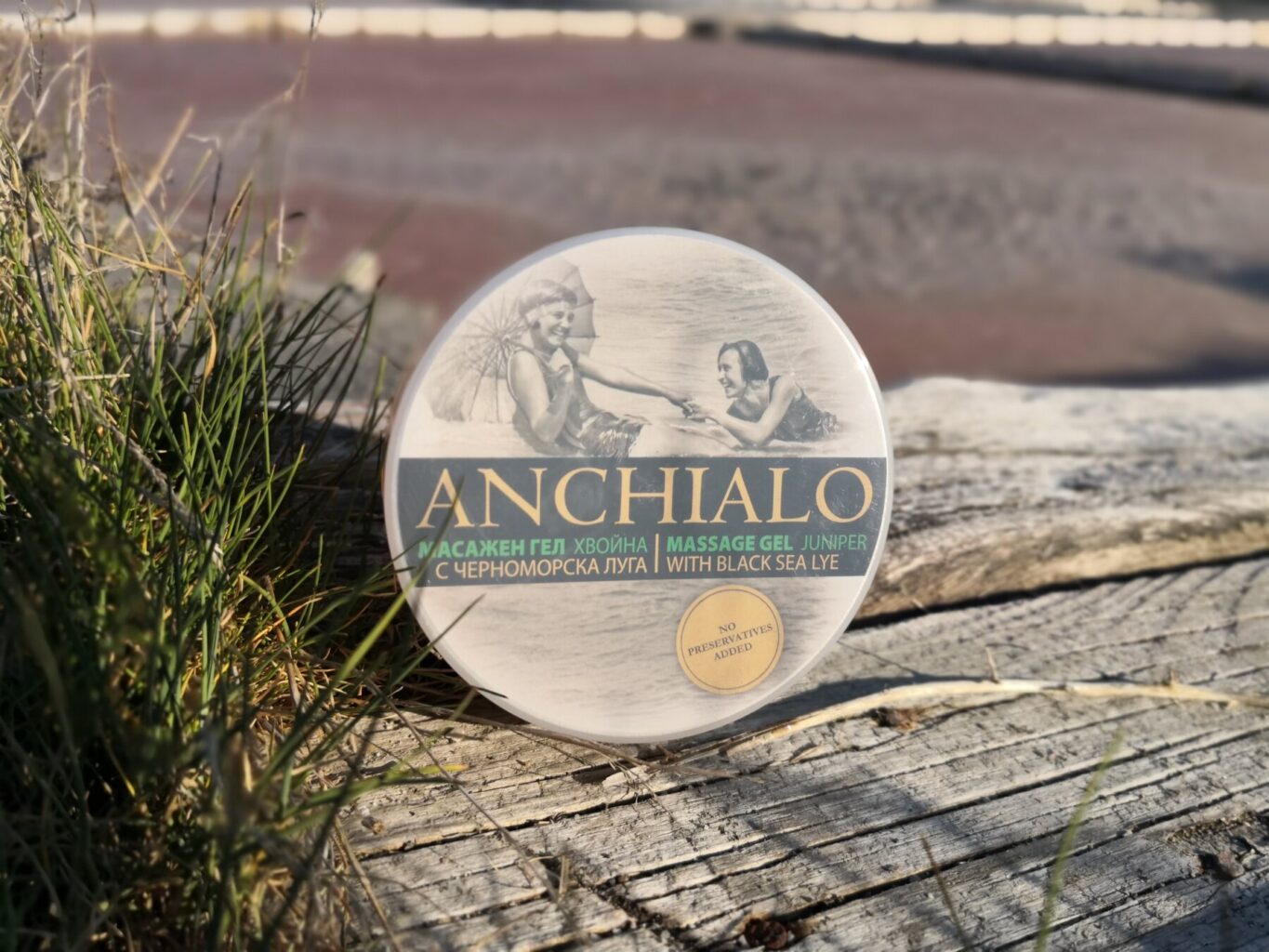
ANCHIALO massage gel with Black Sea lye is rich in magnesium salts (MgCl₂ and MgSO₄). It has a relaxing effect, nourishes and hydrates the skin, while its minerals penetrate through it and tone the whole body. It is suitable for joint and muscle pain, stiffness, sprains, dislocations and for recovery after training.
Source: svoizbor.com


About Luga.bg
Maker of natural products with Black Sea lye and liman mud from Pomorie. We have been writing about lye, mud and sea minerals since 2015 — with doctors, physiotherapists and our own experience.