
Natural Cosmetics
Natural cosmetics from Pomorie
The sea, the salt pans and the plants — all in one care
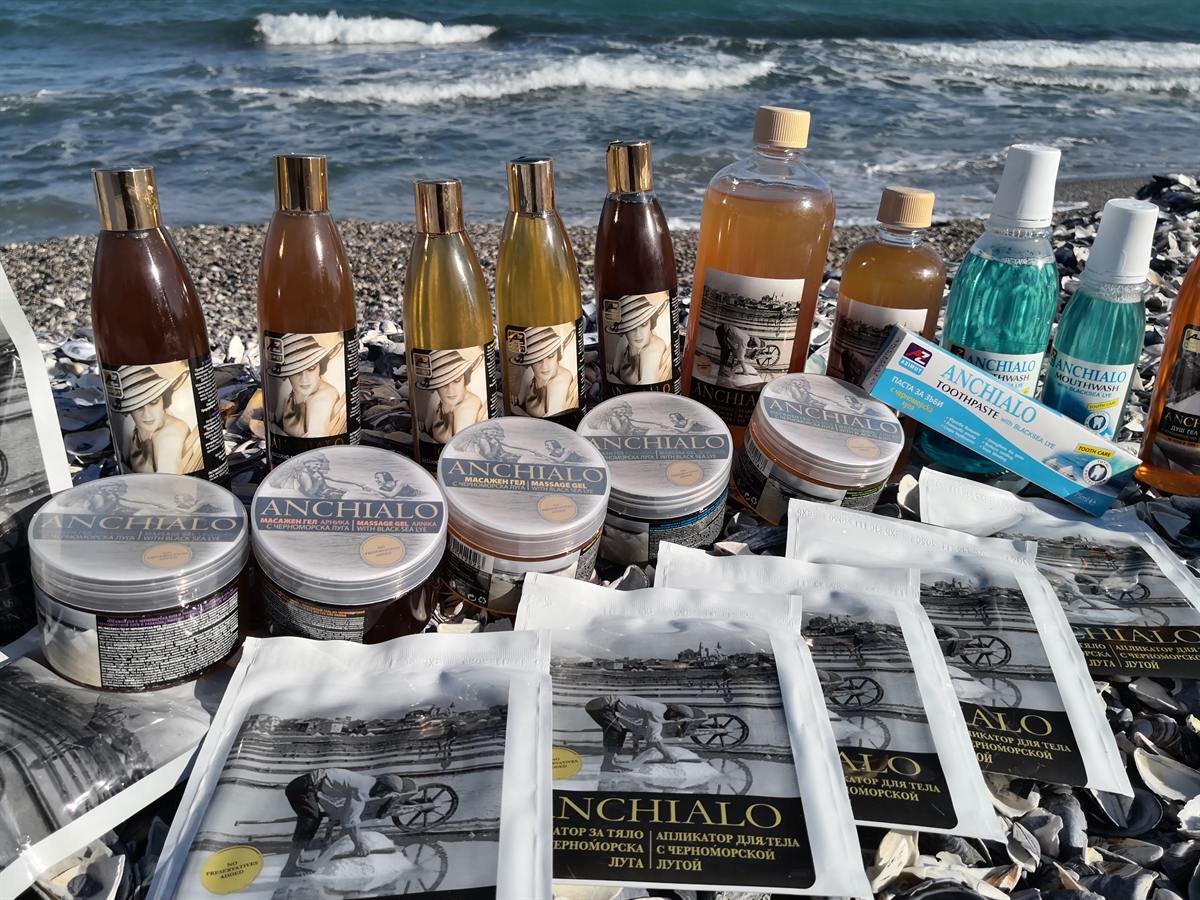
Cosmetics with minerals from the Black Sea salt pans — lye, liman mud and sea salt — and plant ingredients such as arnica, lavender, rosemary and aloe vera.
- Lye, mud and salt from the Black Sea salt pans
- Full ingredient list on every product
- Producer in Pomorie
-
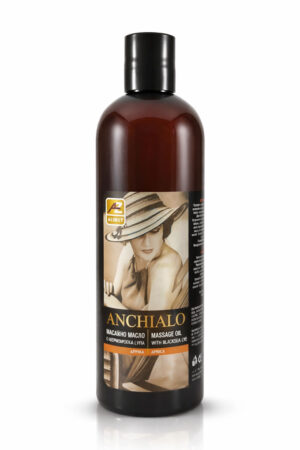 AvailableWith lye
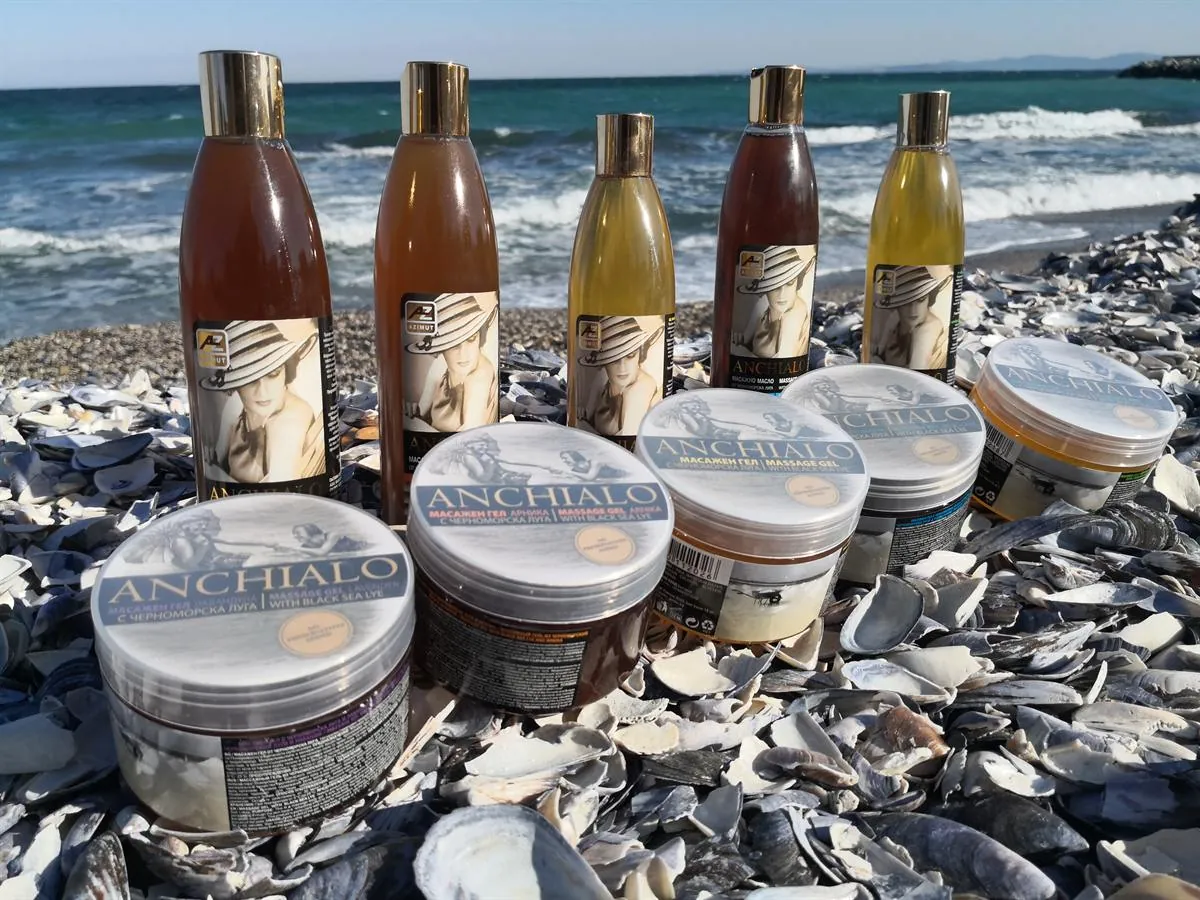
ANCHIALO Black Sea Lye and Arnica Massage Oil, 350 ml
11.04 €Add to cart -
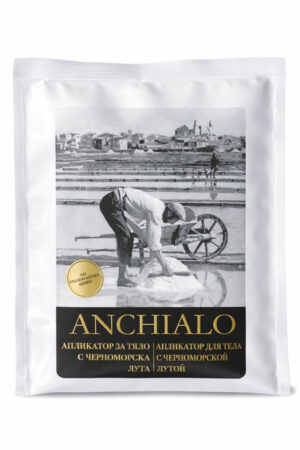 AvailableWith lyebestseller
ANCHIALO Black Sea Lye Body Applicator
1.99 €Add to cart -
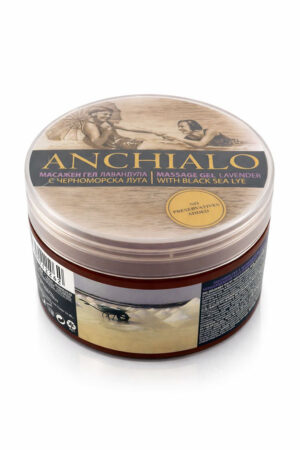 AvailableWith lye
ANCHIALO Black Sea Lye Massage Gel with Lavender, 300 g
9.82 €Add to cart -
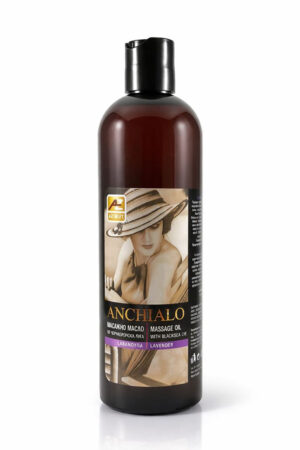 AvailableWith lye
ANCHIALO Black Sea Lye Massage Oil with Lavender, 350 ml
9.82 €Add to cart -
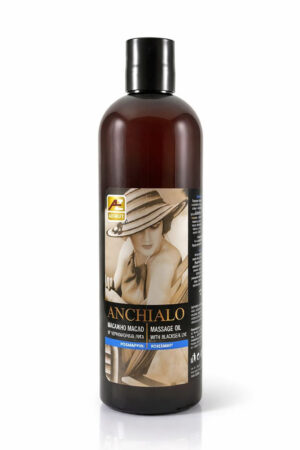 AvailableWith lye
ANCHIALO Black Sea Lye Massage Oil with Rosemary, 350 ml
9.82 €Add to cart -
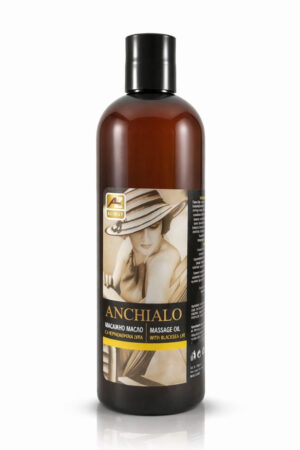 AvailableWith lye
ANCHIALO Black Sea Lye Massage Oil, 350 ml
9.82 €Add to cart -
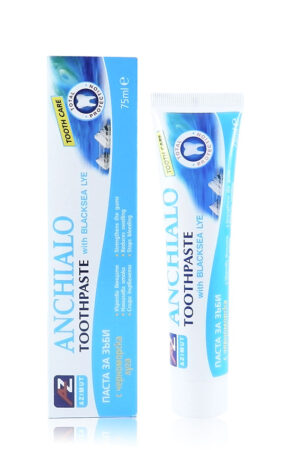 AvailableWith lyebestseller
ANCHIALO Black Sea Lye Toothpaste, 75 ml
3.48 €Add to cart -
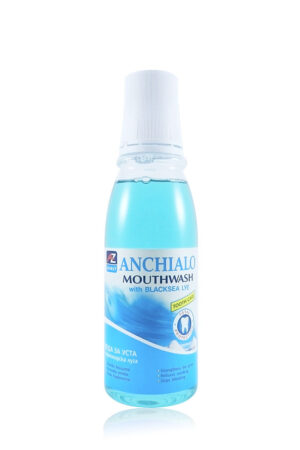 AvailableWith lye
ANCHIALO Mouthwash with Black Sea Lye, 250 ml
3.17 €Add to cart -
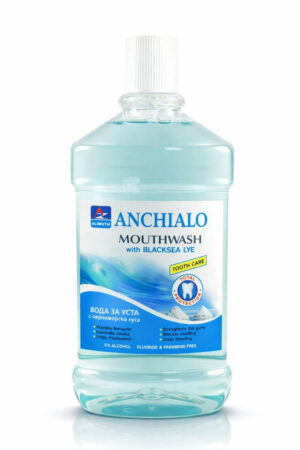 AvailableWith lyebestseller
ANCHIALO Mouthwash with Black Sea Lye, 500 ml
4.29 €Add to cart -
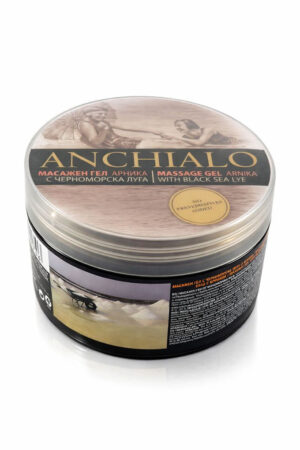 AvailableWith lyebestseller
Black Sea Lye and Arnica Massage Gel ANCHIALO, 300 g
11.04 €Add to cart -
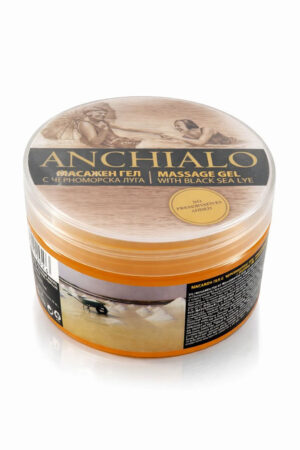 AvailableWith lye
Black Sea Lye Massage Gel ANCHIALO, 300 g
9.82 €Add to cart -
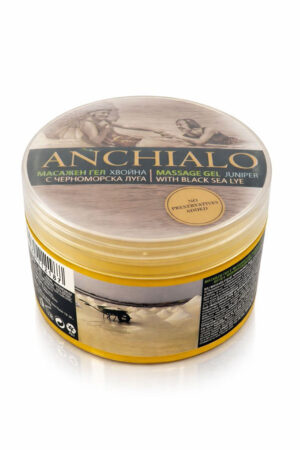 AvailableWith lye
Black Sea Lye Massage Gel with Juniper ANCHIALO, 300 g
9.82 €Add to cart -
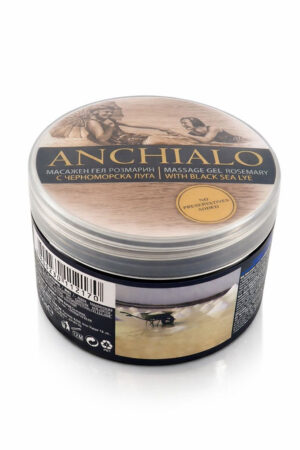 AvailableWith lye
Black Sea Lye Massage Gel with Rosemary ANCHIALO, 300 g
9.82 €Add to cart -
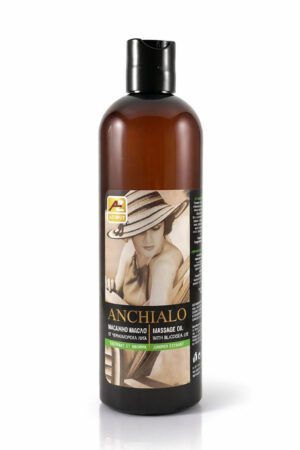 AvailableWith lye
Black Sea Lye Massage Oil with Juniper ANCHIALO, 350 ml
9.82 €Add to cart -
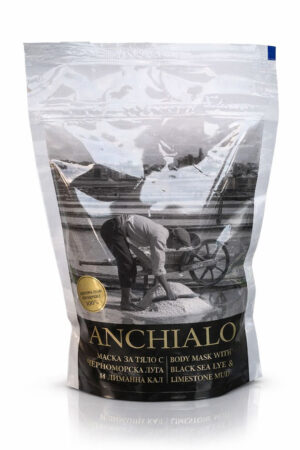 AvailableWith lye & mud
Body Mask with Black Sea Lye and Liman Mud ANCHIALO, 500 g
7.06 €Add to cart -
New
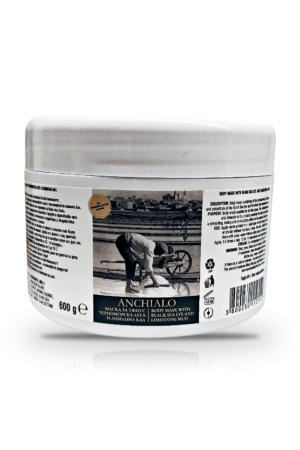 AvailableWith lye & mud
Body Mask with Black Sea Lye and Liman Mud ANCHIALO, 600 g
8.50 €Add to cart -
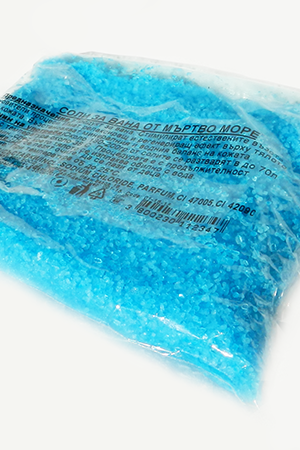 Available
Dead Sea Bath Salts, 200g
2.45 €Add to cart -
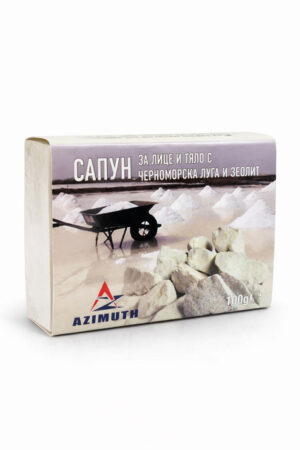 AvailableWith lye
Natural Face & Body Soap with Black Sea Lye and Zeolite AZIMUTH, 100g
2.76 €Add to cart -
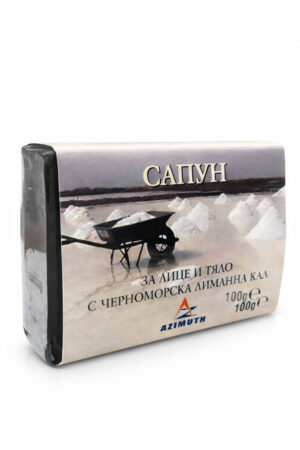 AvailableWith lye & mudbestseller
Natural Soap with Black Sea Liman Mud AZIMUTH, 100g
2.76 €Add to cart -
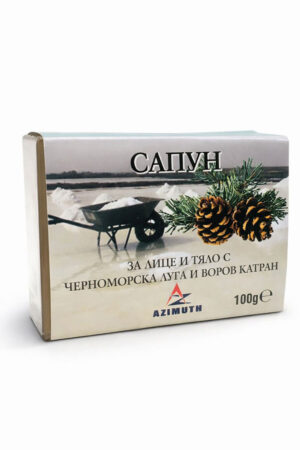 AvailableWith lye
Natural Soap with Black Sea Lye and Pine Tar AZIMUTH, 100g
2.76 €Add to cart -
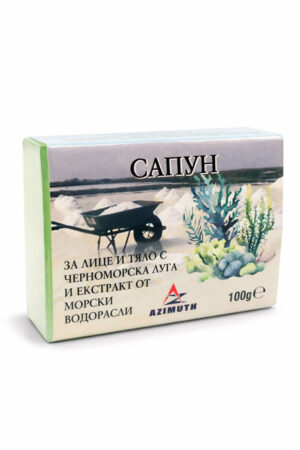 AvailableWith lye
Natural Soap with Black Sea Lye and Seaweed Extract AZIMUTH, 100g
2.76 €Add to cart -
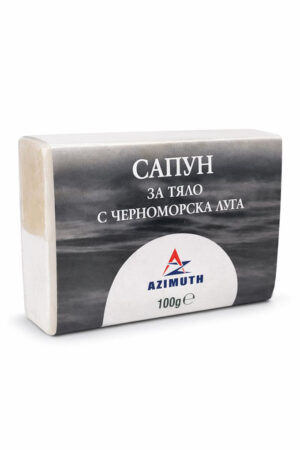 AvailableWith lyebestseller
Natural Soap with Black Sea Lye AZIMUTH, 100g
2.76 €Add to cart -
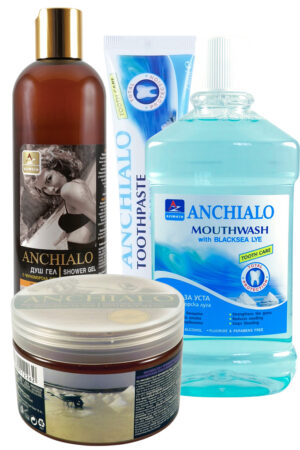 AvailableWith lye
PROMO PACK OF YOUR CHOICE WITH ANCHIALO MASSAGE GEL
Price range: 19.17 € through 21.17 €Select options This product has multiple variants. The options may be chosen on the product page -
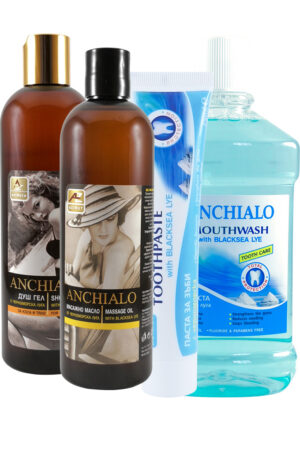 AvailableWith lye
PROMO PACK OF YOUR CHOICE WITH ANCHIALO MASSAGE OIL
Price range: 19.17 € through 21.17 €Select options This product has multiple variants. The options may be chosen on the product page -
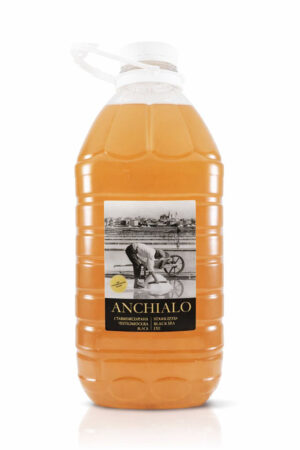 AvailableWith lye
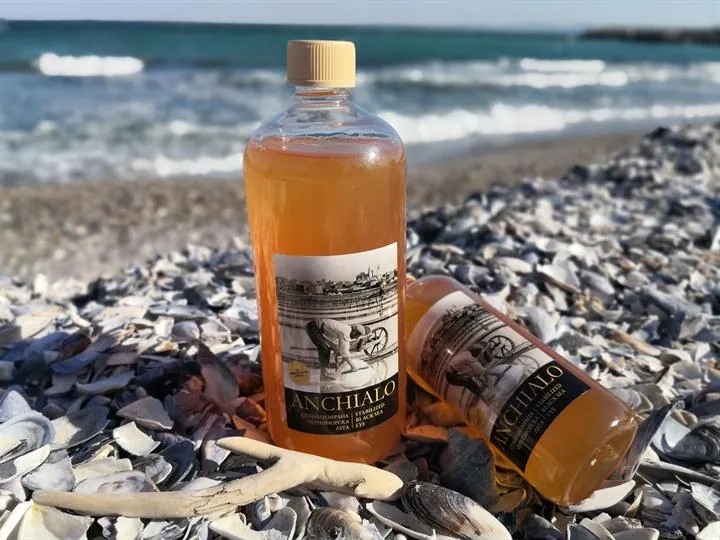
Stabilised Black Sea Lye ANCHIALO, 3000 ml
9.10 €Add to cart -
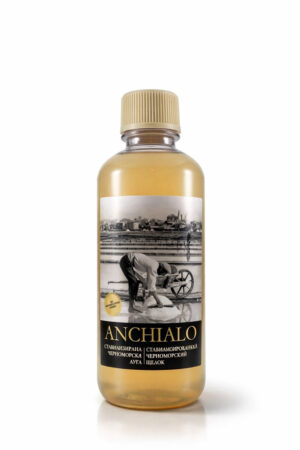 AvailableWith lye
Stabilised Black Sea Lye ANCHIALO, 500 ml
2.76 €Add to cart -
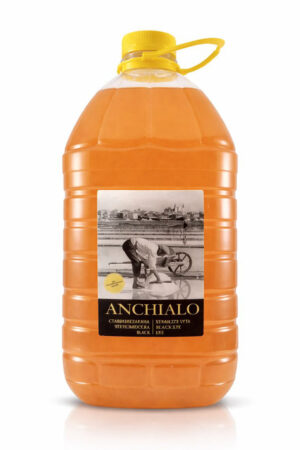 AvailableWith lye
Stabilised Black Sea Lye ANCHIALO, 5000 ml
11.04 €Add to cart -
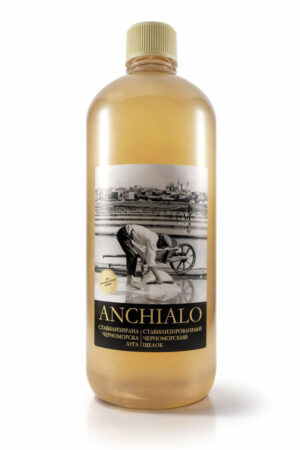 AvailableWith lyebestseller
Stabilised Black Sea Lye ANCHIALO, 950 ml
4.29 €Add to cart
Two paths, one kind of care
Wherever you started, you arrive at the same place
Origin
Three gifts of the Black Sea salt pans
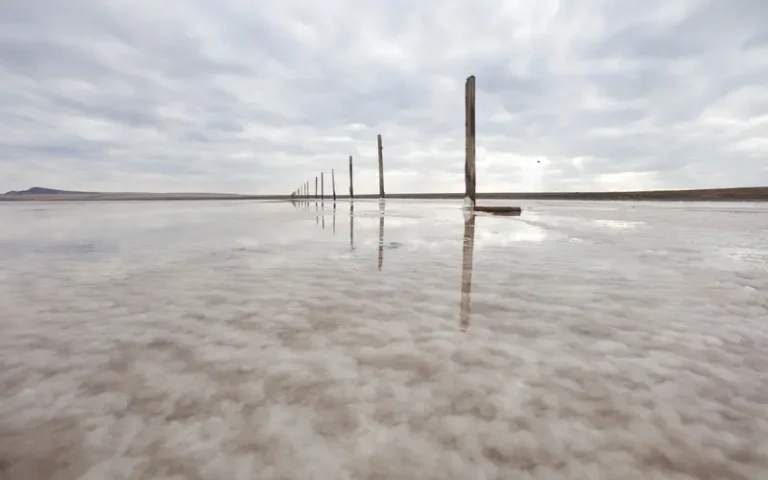
The main raw materials come from the salt pans near Burgas and Pomorie, where sea water evaporates in the sun, as it has for centuries.
Black Sea lye
The concentrated mineral brine left in the salt pans after the salt crystallises. Rich in magnesium. Today it is produced at the Burgas salt pans.
More about lye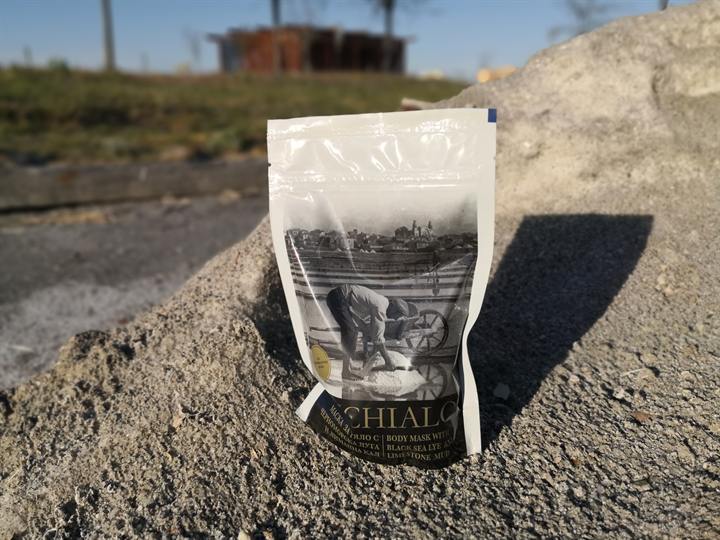
Liman mud
The dark sediment from the bottom of Lake Pomorie. In cosmetics — for masks and body wraps.
Mud products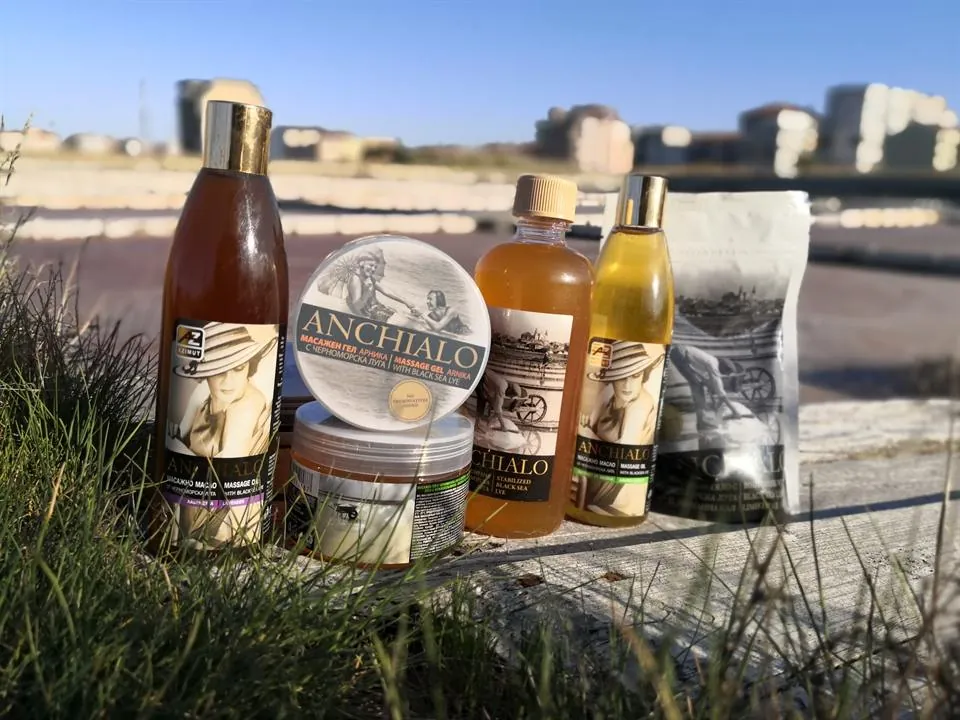
Sea salt
Salt from the same salt pans — for the bath and for the table: AZIMUTH Black Sea crystal salt.
Black Sea saltIngredients
The plants beside the lye
To the minerals from the lake we add plant ingredients, each with a clear role.
- Arnicain the massage gels and oils — for tired muscles after exercise
- Rosemarya warming, invigorating scent for a morning massage
- Lavendera calm scent for an evening massage and relaxation
- Junipera fresh forest scent for massage and the bath
- Pine tara traditional ingredient in soap for oily skin
- Seaweedin the soap — more minerals from the sea
- Zeolitein the face and body soap — for gentle cleansing
- Aloe verahydrates and soothes the skin
- Cocoa butternourishes dry, rough skin
Our standard
What “natural” means to us
Minerals from nature
Lye, mud and salt are not synthesised — they come from the Black Sea salt pans and lakes.
A short ingredient list where it matters
Stabilised lye has five ingredients. The massage gels have only a few more, with no added preservatives.
The ingredients are in front of you
The full ingredient list is on every product page. Read it before you buy — and if something does not agree with you, the cause is easy to find.
From Pomorie
The producer is based in Pomorie, next to the salt pans the raw materials come from.
By need
What are you looking for today?
Tip
How to read the label
The ingredients of every cosmetic product are listed by quantity — the first few are its base. Here is what you will find on the labels and what it means:
The full guide: natural or conventional cosmetics- The lye
Magnesium Chloride, Magnesium Sulfate, Sodium Chloridemagnesium and sodium salts — this is how lye appears on the label- The plants
Arnica Montana, Lavandula Angustifoliathe Latin names of the plants and oils- Preservatives
Sodium Benzoate, Potassium Sorbatethey protect a product that contains water; check them if you avoid them- Scent and colour
Parfum, CI 42090“Parfum” sums up the scent in one word; “CI” and a number means added colour
Questions
Frequently asked
What is the difference between natural and organic cosmetics?
Natural cosmetics are made mostly from ingredients of natural origin — minerals, plants, oils. Organic cosmetics are those whose plant ingredients are grown under the rules of organic farming, confirmed by a certificate such as COSMOS or Ecocert. All organic cosmetics are natural, but not all natural cosmetics are organic.
Are natural cosmetics suitable for sensitive skin?
Natural does not necessarily mean hypoallergenic — plants can irritate too. The advantage of a short ingredient list is that it is easier to find what does not agree with you. With sensitive skin, try a small area first, and use lye diluted, as directed.
What exactly is Black Sea lye?
A concentrated salt brine, rich in magnesium, that stays in the salt pans after the salt crystallises. For centuries it has been used around Burgas and Pomorie for baths, compresses and treatments. More on the lye page and in the lye treatments.
Why are the same products also in “Lye Products”?
Because they are the same: almost everything we make contains lye or mud. “Natural cosmetics” arranges them by need and by ingredients, and “Lye Products” by how much lye they contain.
Can I do lye treatments at home?
Yes — stabilised lye is made for exactly that: a bath, a compress or a rub-down. See the lye treatments and the videos where we show how.
