

Contents
Black Sea lye — also known as Pomorie, mother, natural or medicinal lye — is a natural product left behind by salt production in the Pomorie and Burgas salt lakes. In it, the beneficial substances found in sea and lake water are many times more concentrated. In recent years, lye has been extracted only in the Burgas salt pans, while therapeutic liman mud comes only from Pomorie Lake.
In brief
- The lye and mud are applied to the body and left on for 20 minutes to several hours, until they dry.
- For visible results, the course should last 10–15 days — on the beach or at home.
- Stabilised and filtered products retain their properties for 3–4 years; non-stabilised ones for up to a month.
- Don’t buy lye and mud in plastic canisters on the beach — with no known origin and no filtration, they can irritate the skin.
What do lye and mud help with?
According to balneological practice, mud therapy and lye therapy help above all with:
- rheumatism, arthrosis and joint pain;
- disc problems, sciatica, neuritis and inflammation of the tissues around the joints;
- muscle pain and tension;
- skin irritations and conditions such as psoriasis and acne.
That’s why the seaside is the best place for this kind of preventive care — and better still Pomorie and the surrounding area, home to the deposits of liman mud and lye. Curiously enough, foreign visitors know and value them more than Bulgarians do.
Where to apply mud in Pomorie
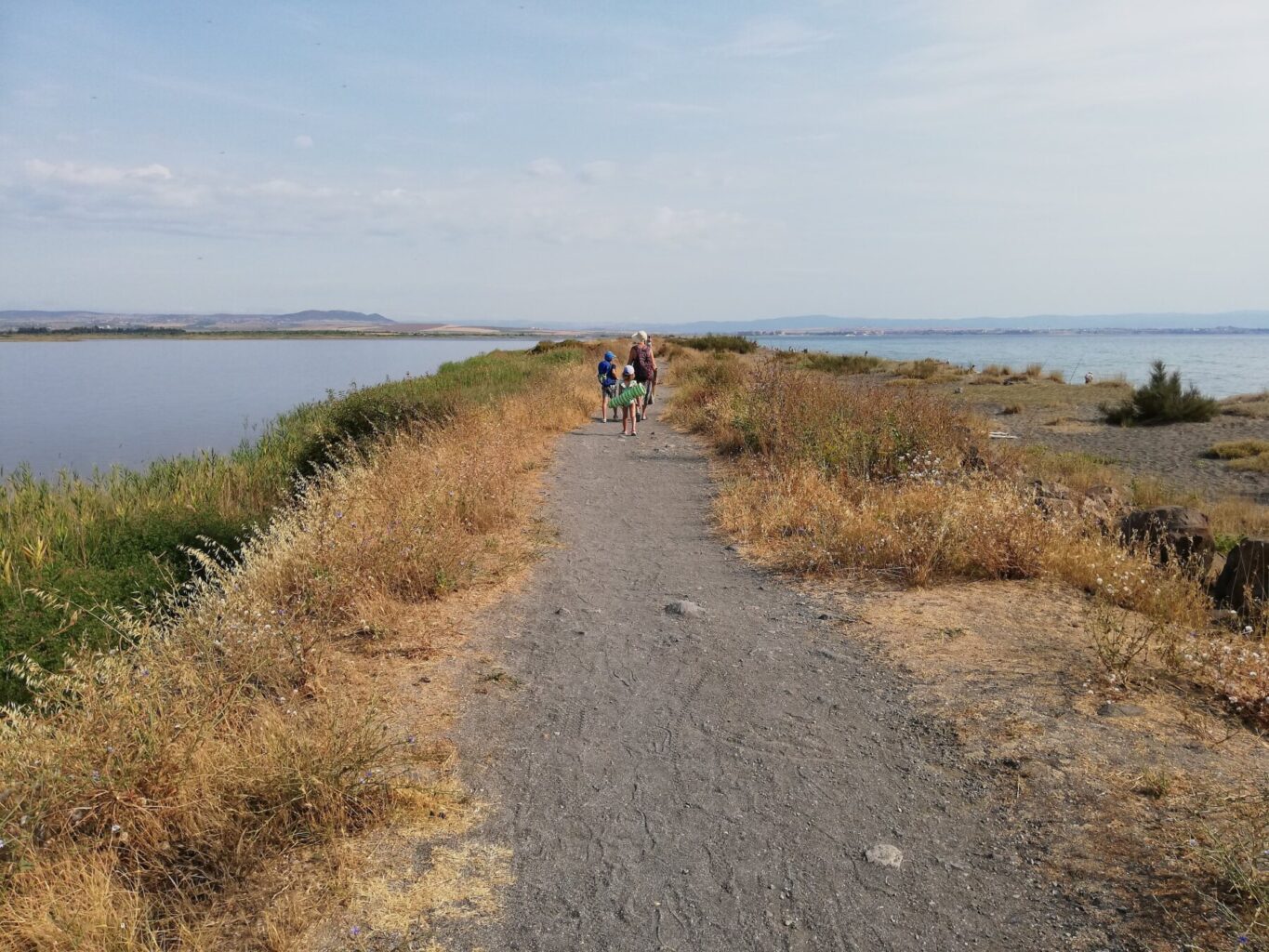
The most suitable beach is on the spit — the narrow strip between Pomorie Lake and the sea that links Pomorie with Acheloy. Even the sand there is black. Combining a holiday with treatment is one more reason to choose the town for your summer. If the bungalows aren’t to your taste, there are hotels nearby, and the better ones offer lye and mud treatments — where you’ll also learn a great deal about applying them correctly.
Pomorie is also home to the one-of-a-kind Salt Museum, and next to it an observation point for the rare birds that nest in Pomorie Lake. The lake is a protected area.
Don’t buy lye from beach “traders”
Not every mud is therapeutic, and some can even harm the skin. Lye and mud are safe only if they have been extracted from the right places, have documented origin and have undergone filtration and stabilisation.
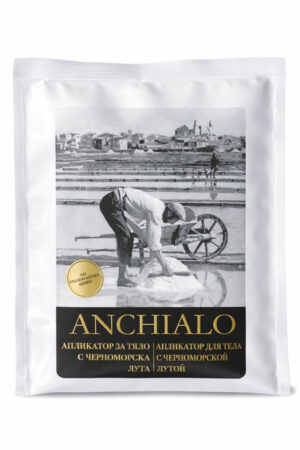
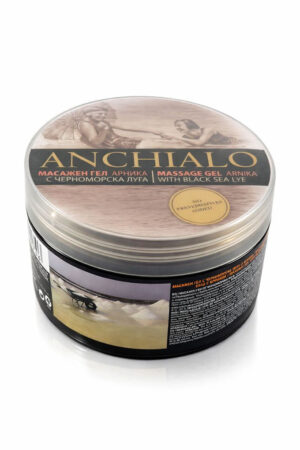
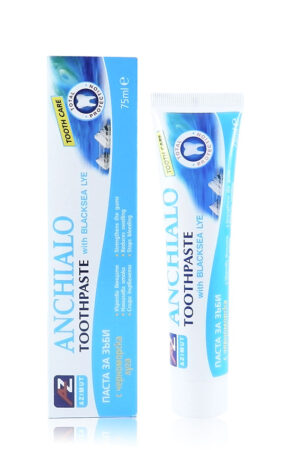
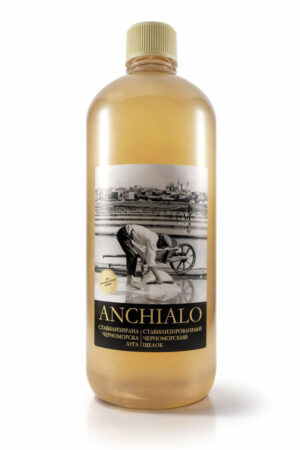
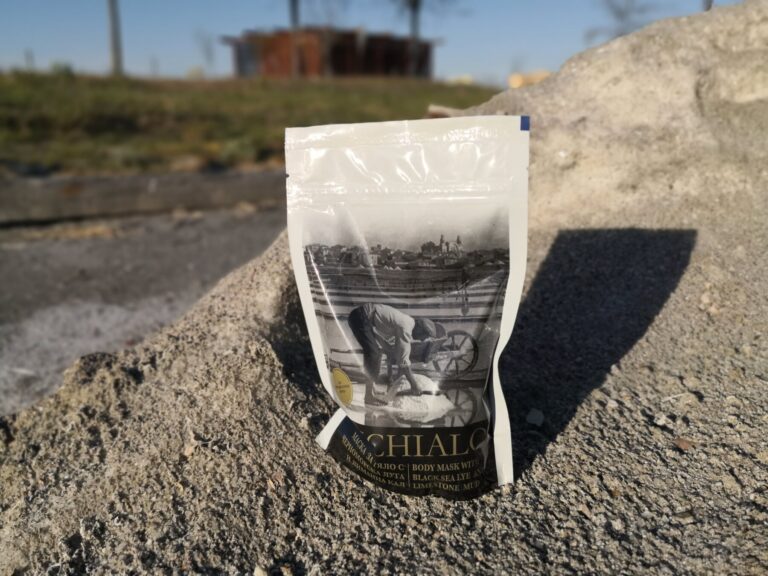
So steer clear of the dubious beach vendors with 5- and 10-litre mineral water canisters. Besides losing your money, you could end up with skin problems. Choose products with Black Sea lye and liman mud that have passed laboratory testing — such as ANCHIALO.
How to use lye and mud — step by step
The routine for both is almost the same, and their composition and properties are similar. It’s easiest in summer, while you’re on the beach.
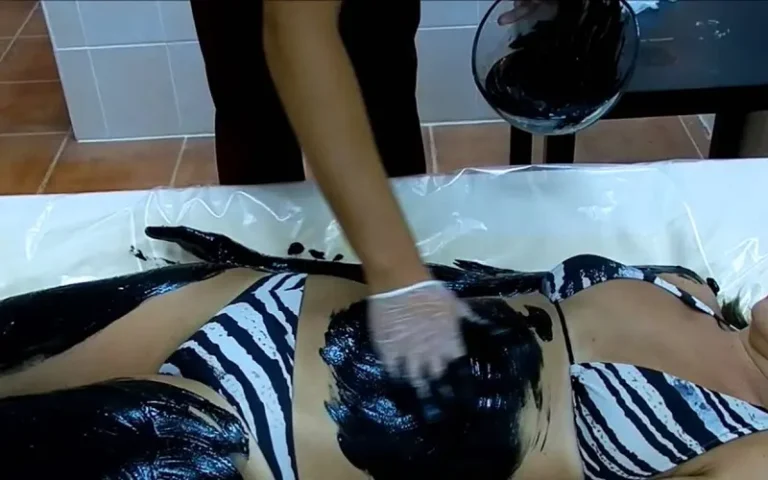
- Lye. Apply the lye all over your body and leave it on for 20 minutes to several hours, until it dries and small crystals appear on the skin.
- Mud. For a stronger effect, apply therapeutic mud after the lye and leave it on for another 20 minutes to several hours. If your skin tolerates it well, wait for the mud to dry completely.
- Rinsing. Take a dip in the sea.
- Repetition. Repeat the treatments for at least 10–15 days in a row.
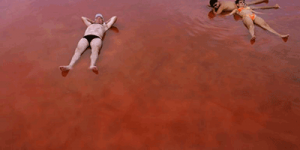
Mud and lye on the beach
If your stay by the sea is shorter
Take some lye and mud home with you and carry on with the treatments there. It’s not as pleasant as on the beach, but the effect is the same.
How to store lye and mud
- After stabilisation and filtration, they retain their beneficial properties for 3–4 years. Without them, a month at most — and only if stored correctly.
- Keep them in a dark, cool and well-ventilated place.
- Each time you open the mud, top it up with lye so that it stays covered by 1–2 cm of liquid.
In conclusion
Use the sea as a natural centre for treatment, prevention and beauty care. Black Sea therapeutic mud and lye are a real treasure: mud therapy and lye therapy not only help with specific complaints but also strengthen the whole body.


About Luga.bg
Maker of natural products with Black Sea lye and liman mud from Pomorie. We have been writing about lye, mud and sea minerals since 2015 — with doctors, physiotherapists and our own experience.