
Contents
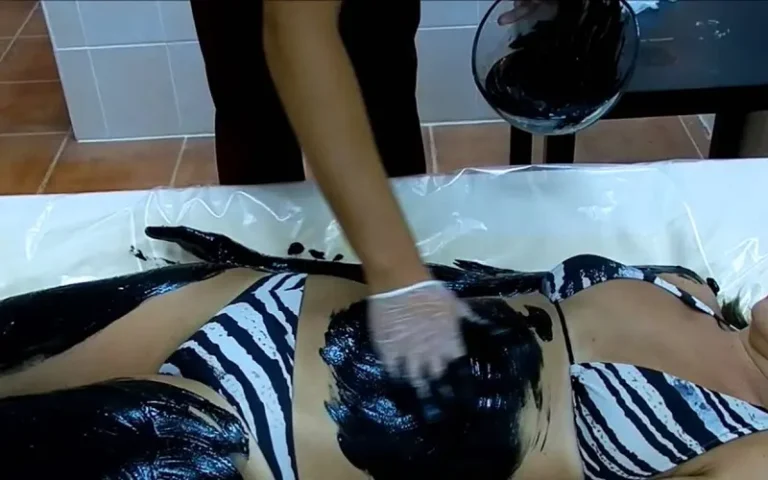
Pomorie therapeutic mud is of the sedimentary liman type: black, oily, with a hydrogen sulphide odour and a silicate-carbonate base. It is recommended for disorders of the musculoskeletal system (excluding acute and specific conditions), of the peripheral nervous system, for gynaecological problems and infertility, as well as for skin conditions.
In brief
- Pomorie mud is a liman mud — it forms in a salt lake separated from the sea.
- Besides liman muds, there are also peat, spring and volcanic peloids — with different compositions and effects.
- Mud therapy benefits the joints, the nervous system and the skin, and boosts the body’s immune defences.
- There are few contraindications, but they are serious — see them below.
How Pomorie became a mud therapy resort
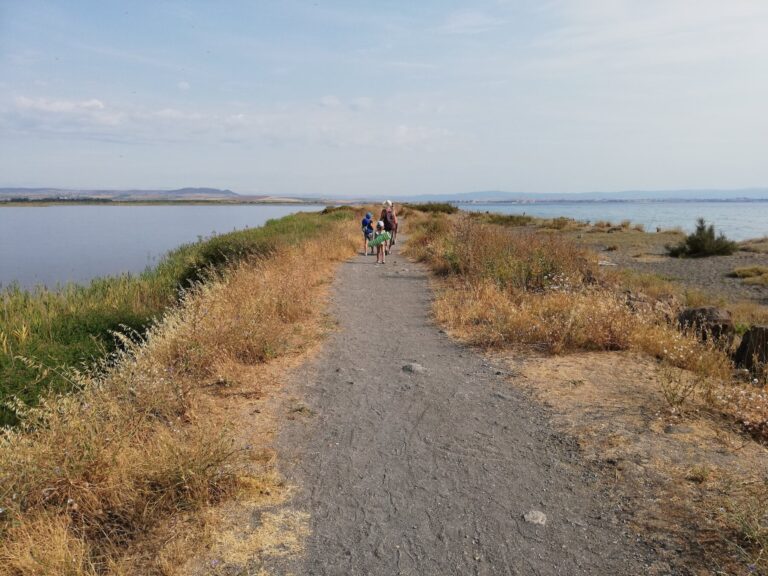
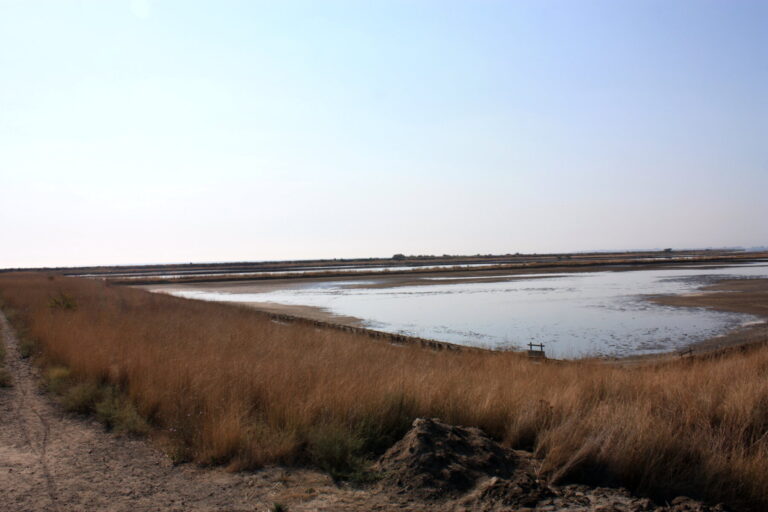
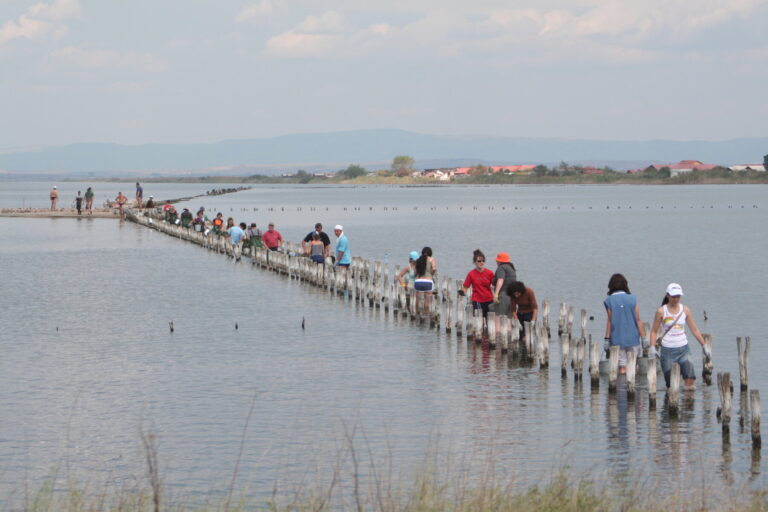
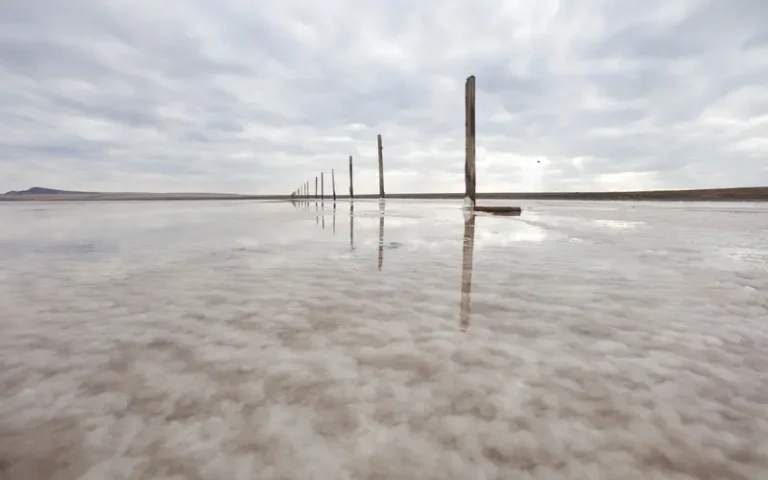
Pomorie Lake was formed after a catastrophic earthquake in 740 BC. In 1905, Dr Petar Stoyanov “rediscovered” it and studied it for several years. Following his research, a mud therapy centre was built, and today Pomorie is a well-known seaside mud therapy resort.
Pomorie Lake
The types of therapeutic mud (peloids)
- Liman muds — such as the Pomorie mud: they form in salt lakes by the sea, are black and oily, and contain plenty of hydrogen sulphide and minerals.
- Peat muds — they form in marshes through the prolonged decay of organic matter and are rich in humic acids. In Bulgaria, the best-known deposit is near the town of Banya close to Karlovo: around 30 decares of marshland saturated with mineral water, with a peat layer from 30 cm to 1.5 m thick. The mud is dark brown, with a faint hydrogen sulphide odour. It has a pain-relieving and anti-inflammatory effect and helps swelling to subside.
- Spring muds — silt deposits on the bottom of freshwater basins. They contain both mineral and organic substances and are considered the gentlest.
- Volcanic muds — they form through volcanic activity; they have the highest mineral content and only traces of organic matter.
Which conditions is mud therapy recommended for
Therapeutic mud improves the metabolism and the nourishment of tissues, thereby speeding up their recovery. Peloids are used for:
- disorders of the musculoskeletal system;
- disorders of the nervous system;
- urological and gynaecological problems;
- skin conditions — neurodermatitis, psoriasis, eczema.
Mud therapy acts not only on the specific condition, but also strengthens the immune defences of the whole body.
When mud therapy is contraindicated
- tuberculosis and thrombophlebitis;
- thyrotoxicosis and renal failure;
- cardiovascular and oncological conditions;
- acute inflammatory processes.
Would you like to find out what mud baths are like in practice? Read the article “The Black Gold of Pomorie” and how mud baths are done.
Source: saltlake.pitbg.ru


About Luga.bg
Maker of natural products with Black Sea lye and liman mud from Pomorie. We have been writing about lye, mud and sea minerals since 2015 — with doctors, physiotherapists and our own experience.