
Contents
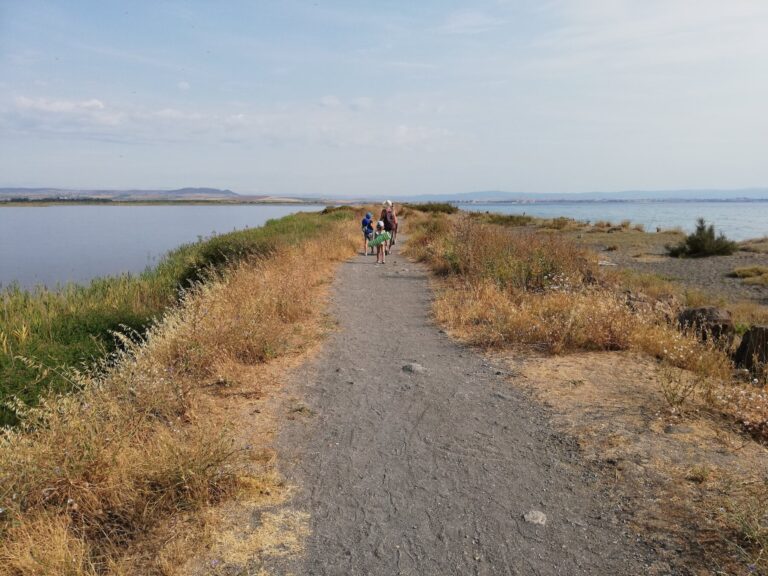
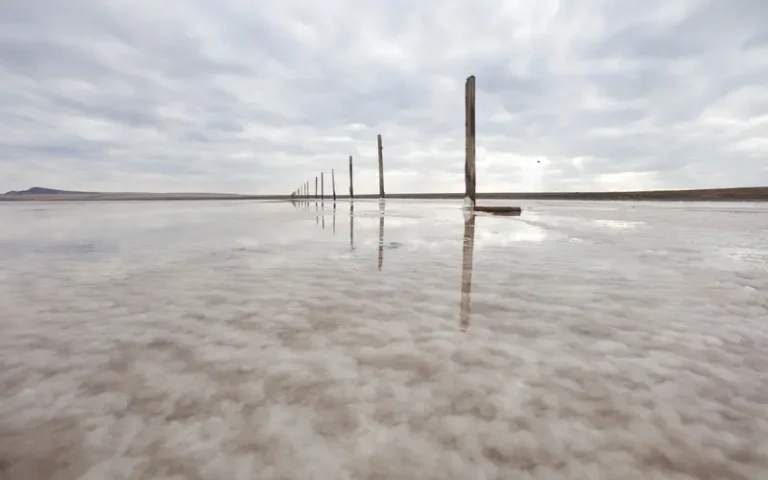
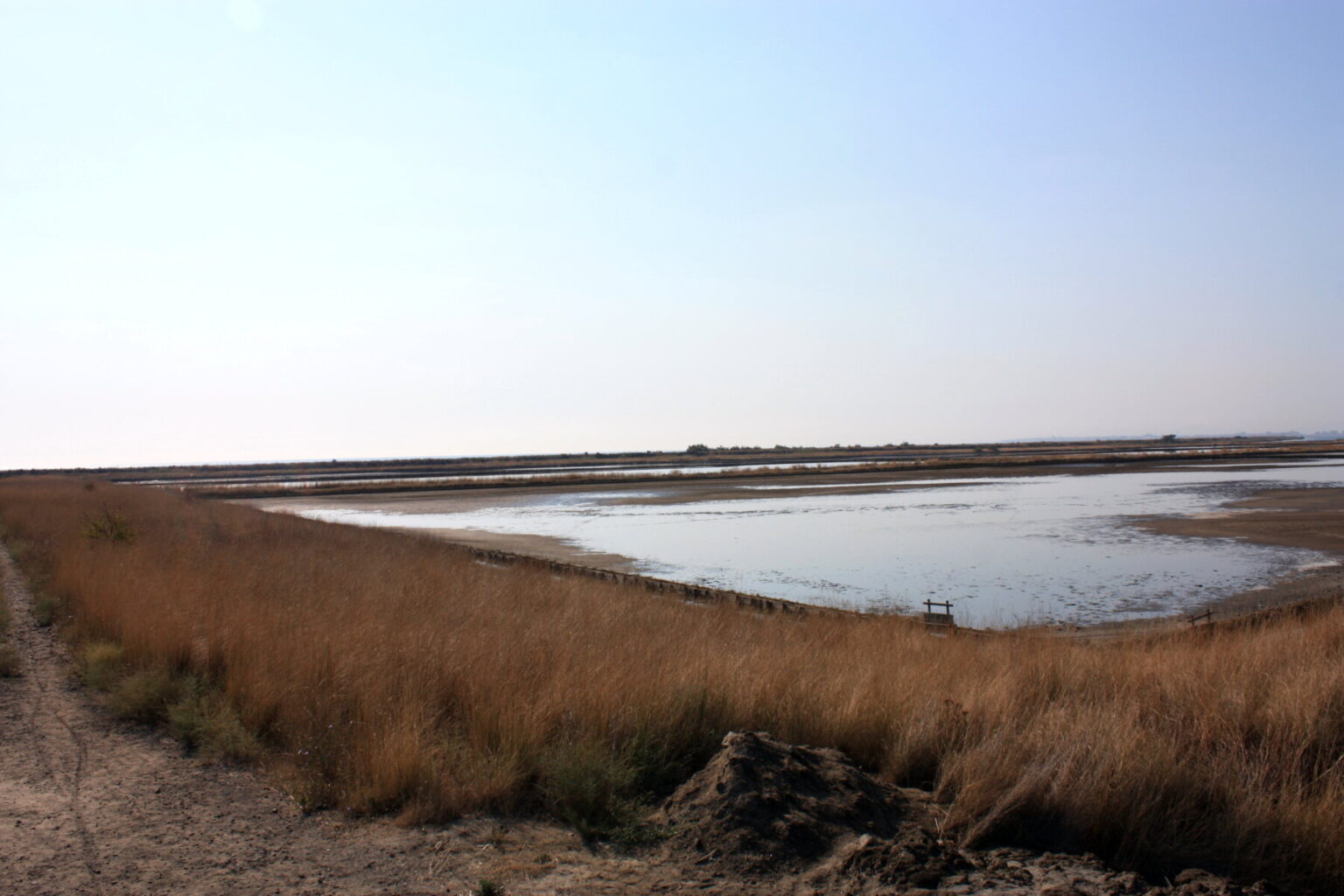
Pomorie Lake is a hypersaline lagoon of natural origin, separated from the sea by a sand spit and a dyke between Pomorie and Acheloy. Therapeutic liman mud is extracted in its southern part, and salt in the northern part. The lake is a protected site and a wetland of international importance under the Ramsar Convention.
The lake in figures
- 850 ha in area — around 1000 ha including the adjoining wetlands;
- 6,7 км long and 2 км wide;
- 215 bird species, 4 of them globally threatened;
- a channel in the southern part connects it to the Black Sea.
Plants and animals in the salt water
The high salinity shapes life in the lake: glassworts, sea wormwood, sea blite, the Caucasian goby (which survives at salinity of up to 80 parts per thousand) and Artemia brine shrimp — an important food source for the birds. Rare plants from the Red Data Book of Bulgaria are also found here — Black Sea campion, water lily and curved hard-grass.
A paradise for birds
From the dykes you can easily watch pelicans and white storks flying low overhead. The four globally threatened species here are the Dalmatian pelican, the pygmy cormorant, the ferruginous duck and the corncrake. The lake is one of the most important breeding sites for the pied avocet, the black-winged stilt, the little tern and the Kentish plover. Colonies of terns and avocets nest on the artificial islands built by conservationists, while in winter the lake shelters the mute swan.
Pomorie Lake is a fine example of how traditional crafts such as salt production and mud extraction can coexist with rich wildlife.
The therapeutic mud of the lake
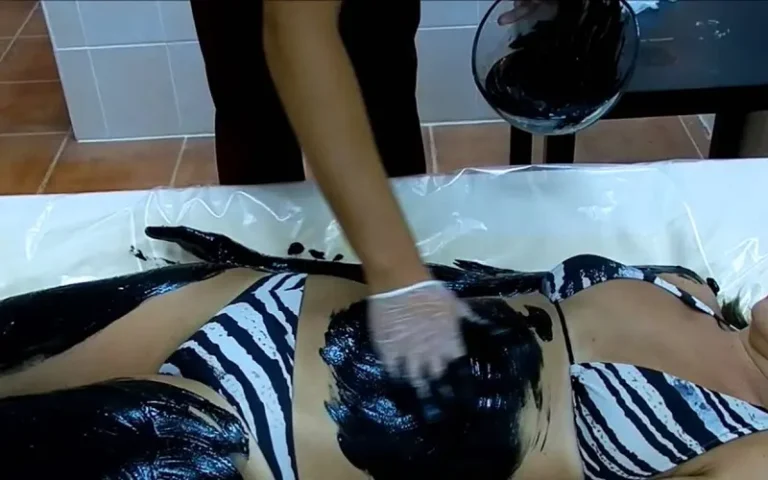
Pomorie has been a spa resort since ancient times, renowned for four healing factors: liman mud, lye, sea water and the sea climate. The mud is extracted in the southern part of the lake. It is a natural product of organic and inorganic substances, formed through chemical, biological and microbiological processes. It is distinguished by its fine structure, high plasticity, alkaline reaction, deep black colour and smell of hydrogen sulphide.
| Component | Amount per 100 g of mud |
|---|---|
| Chlorides | 1,7 g |
| Sodium | 0,98 g |
| Sulphates | 0,2 g |
| Magnesium | 0,15 g |
| Calcium | 0,03 g |
The mud also contains hydrogen sulphide and traces of iron, silicon dioxide and oestrogens.
The mud acts mainly through the nervous system: it triggers adaptive responses in the body involving the endocrine glands. The result is a significantly more active metabolism.
The lye
Lye is also extracted from the lake, although today lye production is concentrated mainly in Atanasovsko Lake near Burgas — the two types of lye do not differ in composition or properties. Lye has anti-inflammatory, vasodilating, antibacterial and muscle-relaxing effects, and works very well on slow-healing wounds.
In therapy centres it is applied mainly:
- as compresses at a temperature of 39–40 °C for 20 minutes;
- through electrophoresis with galvanic current;
- as inhalations with a 2–5 % aqueous solution — for conditions of the upper respiratory tract.
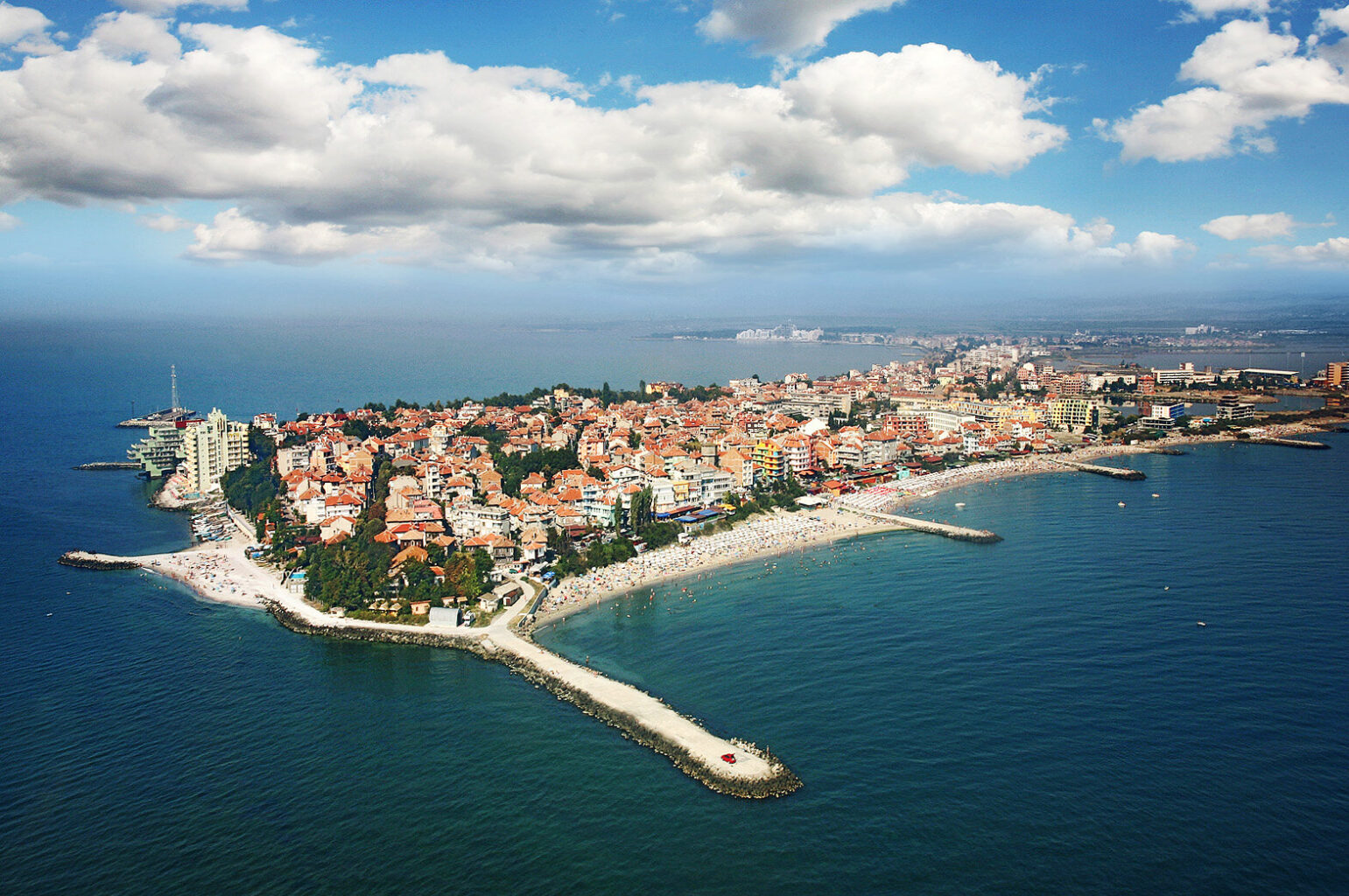
Pomorie — ancient Anchialos. Photo: Boby Dimitrov, Wikimedia Commons (CC BY-SA 2.0)
Pomorie — a resort with black sand
Pomorie is just 8 km from Burgas Airport, 20 km from Burgas and 19 km from Sunny Beach. At the spa and health complex, thousands of guests from Bulgaria and abroad restore their health all year round with the famous Pomorie mud.
- The sea has a mild temperature — averaging around 24 °C from May to September, and pleasant for swimming until October. The seabed slopes gently and is almost level.
- The sand is fine and in many places almost black due to its iron, manganese, aluminium and magnesium content. It heats up quickly and intensely.
- The sun is strongest in June and July. There are on average 89 clear days a year and 19 foggy ones. Summer rainfall is scarce, with autumn the wettest season.
This is why Pomorie is increasingly taking shape as a modern resort and health centre. Be sure to visit the Salt Museum by the lake as well.
Source: saltlake.pitbg.ru


About Luga.bg
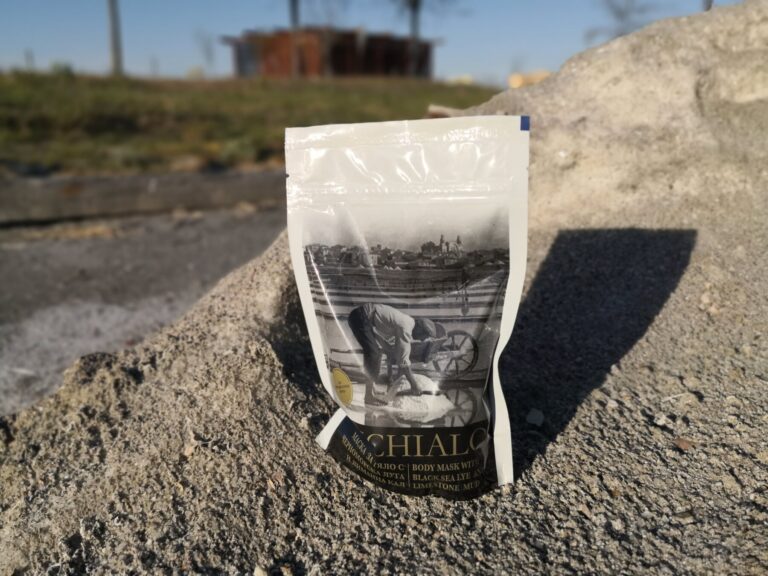
Maker of natural products with Black Sea lye and liman mud from Pomorie. We have been writing about lye, mud and sea minerals since 2015 — with doctors, physiotherapists and our own experience.