
Contents
We use cosmetics every day — soap, shampoo, cream, toothpaste. Our skin protects us from the outside world, yet part of what we put on it is absorbed. That is why more and more people read the label and look for natural cosmetics. What does that actually mean, and how can you choose sensibly — without being alarmed by every chemical name?
In brief
- Natural cosmetics = ingredients mainly of natural origin, with no or minimal synthetic additives.
- In the EU, cosmetics are strictly regulated — the most hazardous substances are banned by law.
- The label (INCI) lists ingredients by quantity — the first ones are the basis of the product.
- A shorter, clearer ingredient list = it is easier to spot what your skin does not tolerate.
What natural cosmetics are
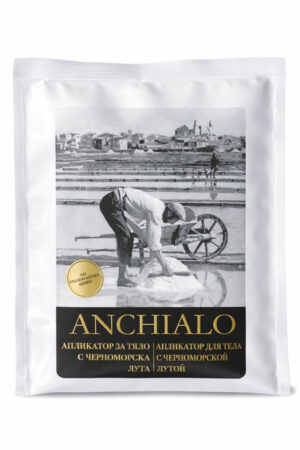
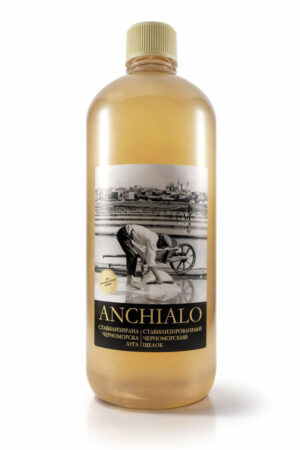
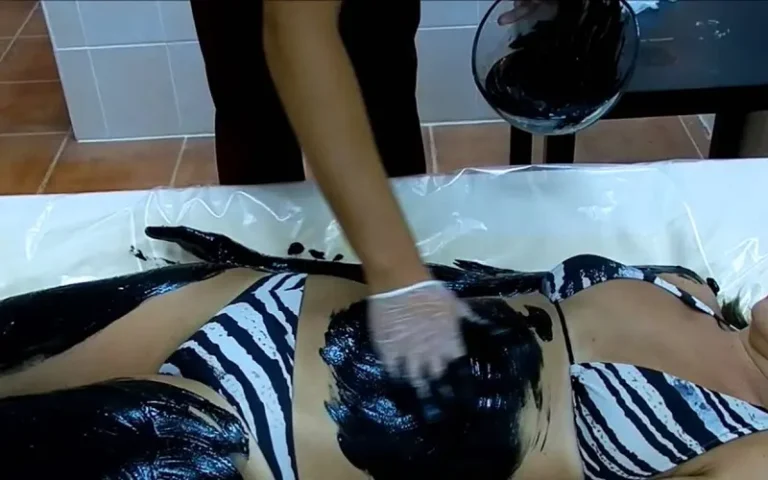
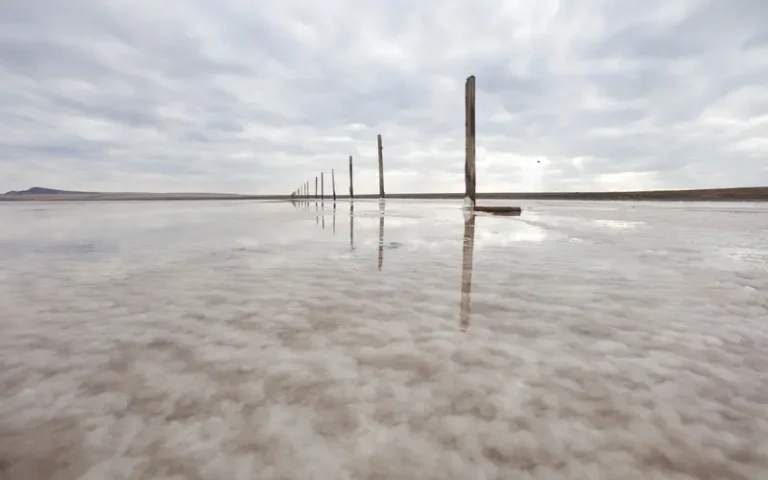
Natural cosmetics are made mainly from ingredients drawn from nature: leaves, roots, bark, seeds and fruit — which is why they are often called herbal cosmetics too. These include plant extracts, essential oils, fruit and seed oils, and minerals. Among the most valuable natural raw materials is Black Sea lye along with liman mud — both rich in magnesium and marine minerals.
Ingredients many people prefer to avoid
The cosmetics industry is vast — according to The Economist, worth over 160 billion dollars a year. Alongside the beneficial ingredients, conventional cosmetics also contain some that are the subject of debate. Here are the most widely discussed:
- Parabens (METHYLPARABEN, ETHYLPARABEN and others) — preservatives. Some weakly mimic oestrogen, which is why five types of paraben are banned in the EU and strict limits apply to the rest. If you want to avoid them, look for “paraben-free”.
- Phthalates (DBP, DEHP) — once used in nail varnishes and fragrances. In the EU, DBP and DEHP are banned in cosmetics.
- Mineral oils and petroleum jelly (PARAFFINUM LIQUIDUM, PETROLATUM) — petroleum derivatives that form a layer on the skin. They are safe, but they do not nourish the skin the way plant oils do.
- Strong acids (AHA) — they exfoliate, and with excessive use they may irritate the skin.
- Aluminium salts (ALUMINUM CHLOROHYDRATE) — found in antiperspirants. There is no proven harm at the permitted levels, but some people prefer deodorants without them.
No need to panic
“Chemical” does not mean “poison” — water is a chemical compound too. In the EU, cosmetics are assessed under Regulation (EC) No 1223/2009, and the most hazardous substances are banned. Natural cosmetics are the better choice not because the alternative is “poison”, but because they give the skin more of what it needs and less of what it does not.
How to read the label (INCI)
- The order matters. Ingredients are listed by quantity — the first 3–5 are the basis of the product.
- Latin names usually indicate plants — for example ARNICA MONTANA (arnica) or ROSMARINUS OFFICINALIS (rosemary).
- AQUA is water; MAGNESIUM CHLORIDE and MAGNESIUM SULFATE are the magnesium salts that make lye what it is.
- PARFUM means fragrance. In natural cosmetics it usually comes from essential oils.
- A shorter ingredient list — if your skin reacts to something, you will find the cause more easily.
Natural ingredients that work
- Tea tree oil and turmeric — antiseptic.
- Aloe vera, coconut and cocoa butter — natural moisturisers.
- Hemp oil — protects dry skin.
- Rose water — a natural toner.
- Essential oils — aromatherapy: they relax, invigorate and lift the mood.
- Black Sea lye and liman mud — magnesium and marine minerals for the skin, joints and muscles.
Why it is worth it
Well-chosen natural ingredients not only have a cosmetic effect, they also help with skin and hair problems. Using them brings a sense of connection with nature, too. And choosing natural and organic products is good not just for us, but for the environment as well.
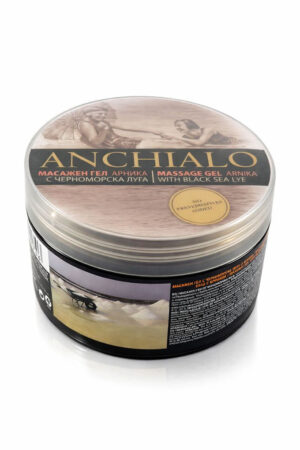
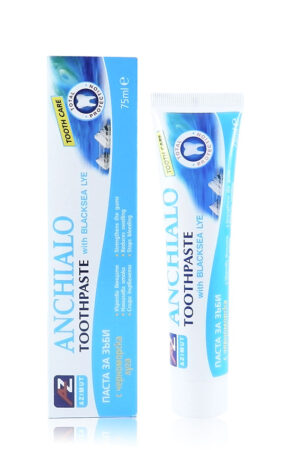
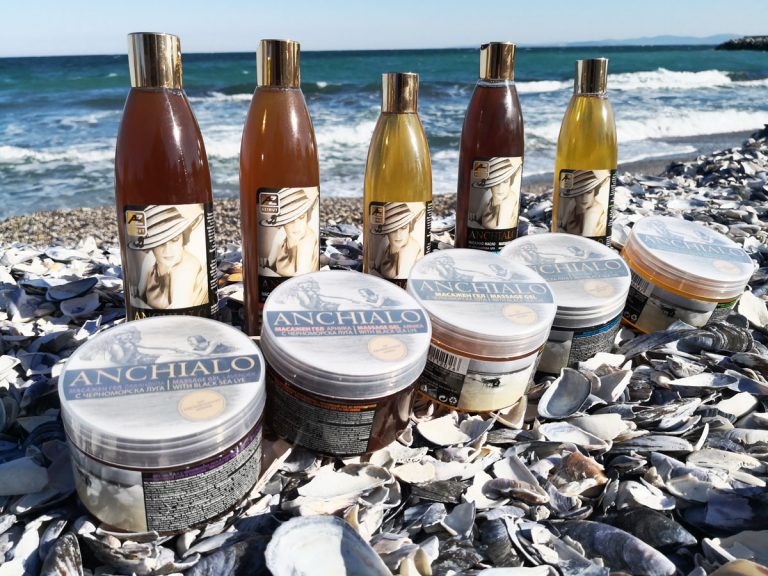
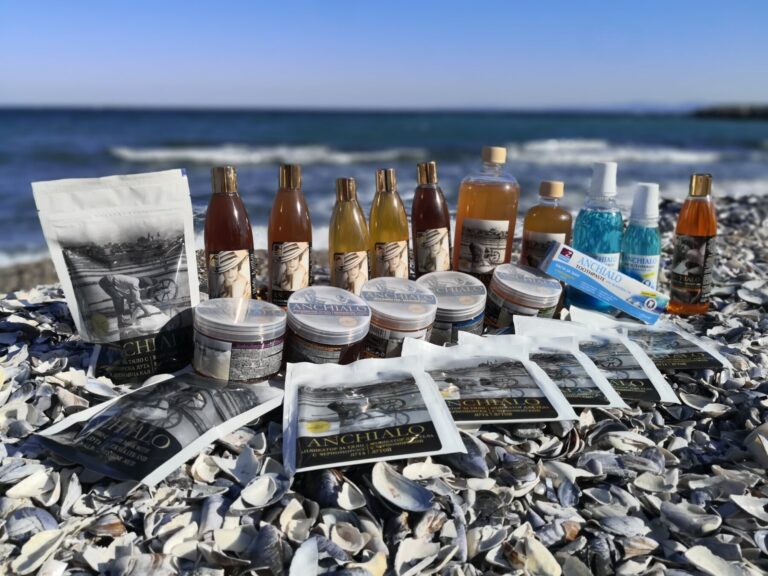
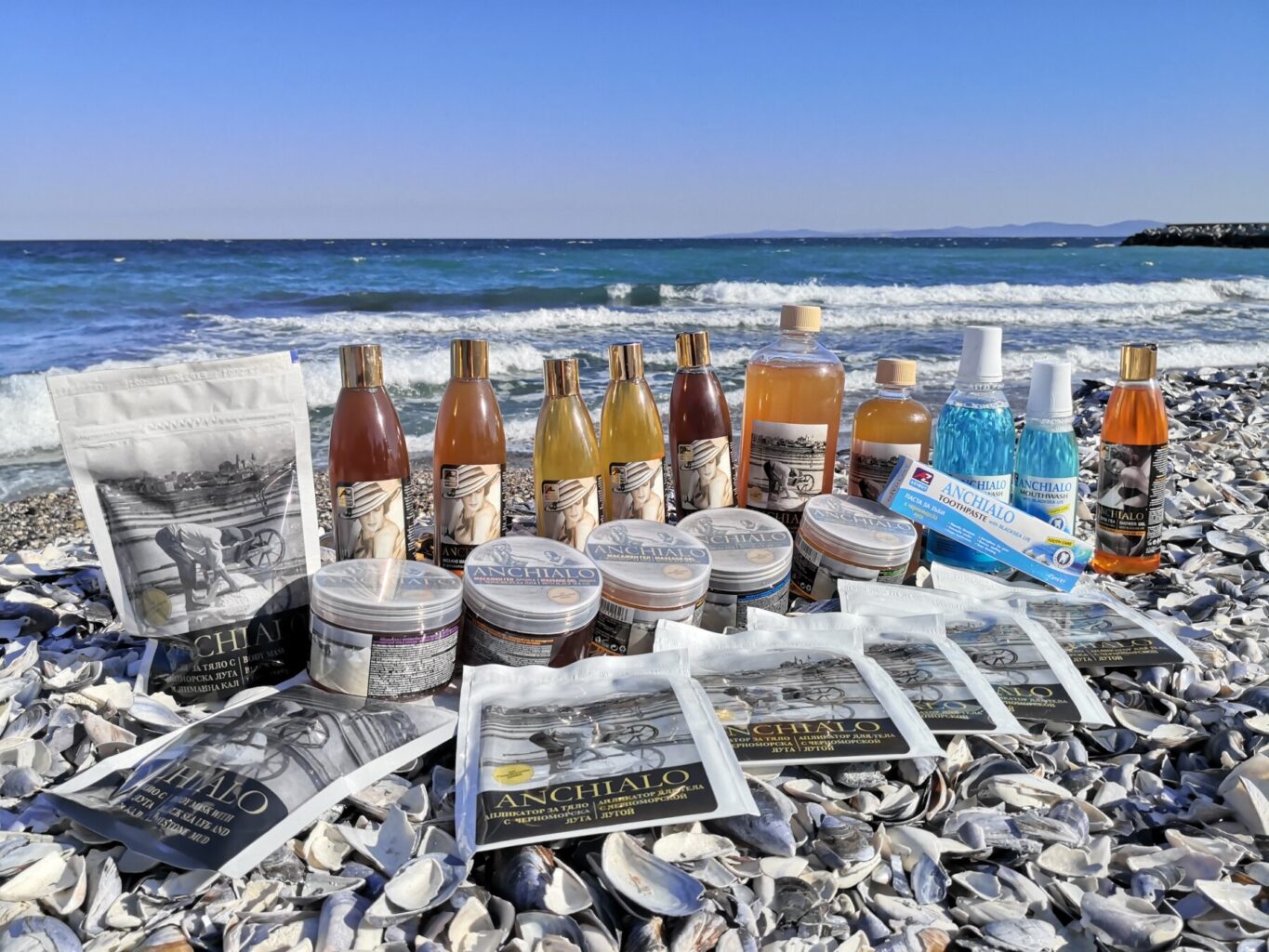
When you buy cosmetics, take your time — read the label. Take a look, for example, at what the ANCHIALO massage gels contain.
Based on material from uniblogbg.com, rewritten and expanded by Luga.bg


About Luga.bg
Maker of natural products with Black Sea lye and liman mud from Pomorie. We have been writing about lye, mud and sea minerals since 2015 — with doctors, physiotherapists and our own experience.