
Contents
The skin is often the first place where problems inside the body become visible — and they are usually linked to diet, digestion and general overload. Research shows that magnesium applied to the skin may help with acne, psoriasis, eczema, neurodermatitis and various problems affecting the skin, hair and nails.
In brief
- Magnesium takes part in the skin’s metabolism and has an anti-inflammatory effect.
- In people with psoriasis, a magnesium deficiency has been found in the skin scales and in the blood.
- Magnesium chloride — the form found in sea water and in lye — is readily absorbed through the skin.
- Transdermal magnesium is an addition to treatment, not a replacement for it.
Why magnesium matters for the skin
Magnesium is key to the skin’s metabolism and is a good remedy against inflammation. In people with psoriasis, a marked magnesium deficiency has been found in the skin scales and in the blood serum; it is thought that magnesium influences the maturation of skin cells. Where the airways are concerned, magnesium also has an anti-allergic effect.
That is why it makes sense to pay attention to magnesium with almost any skin problem — alongside your diet and the treatment prescribed by your doctor.
Magnesium and psoriasis
Psoriasis is a chronic condition with complex causes. It is typically marked by a reduced ability of the body to cleanse itself and often by problems with the liver, kidneys or digestion. People with psoriasis who use a magnesium solution on the skin frequently report relief.
Important
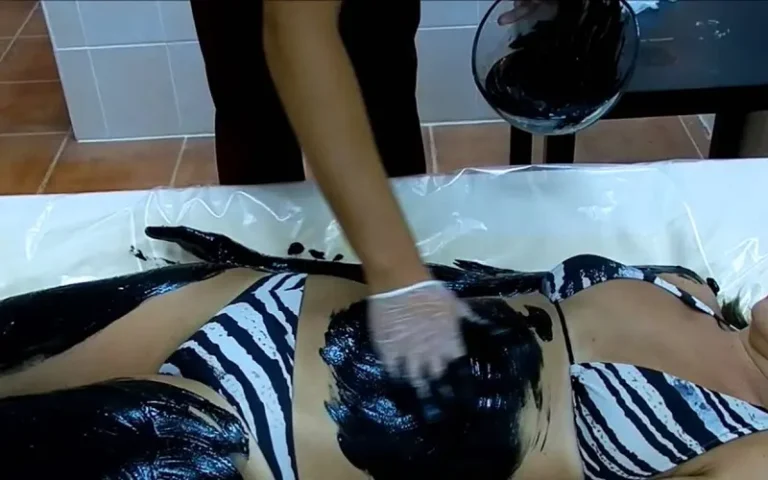
Do not stop or change your prescribed psoriasis treatment without consulting a doctor. Magnesium and treatments with lye and mud can complement it — your dermatologist will advise you how.
Why through the skin rather than by mouth?
Many magnesium supplements contain forms of magnesium that the body absorbs poorly, and relatively little is taken up when swallowed. The form the body recognises best is magnesium chloride — the very same one found in sea water and in Black Sea lye. Taken transdermally, that is through the skin, it is absorbed quickly.
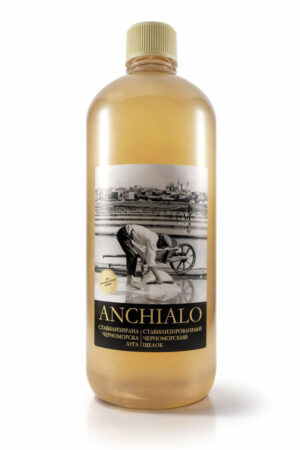
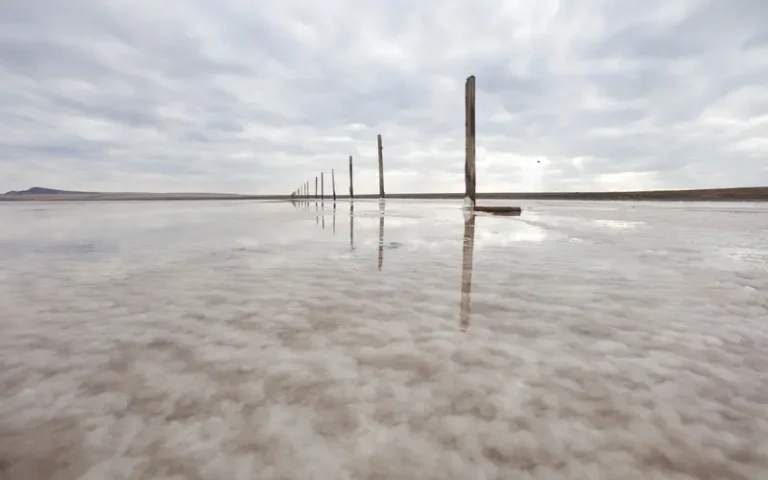
“Magnesium oil” is simply a concentrated solution of magnesium chloride. Black Sea lye is its natural counterpart — rich in magnesium chloride and sulphate (MgCl₂ and MgSO₄).
How to take magnesium through the skin
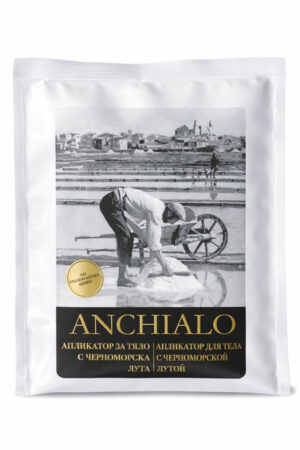
- Application — apply a magnesium chloride solution or a massage oil with lye directly onto the skin.
- Foot bath — soak your feet for 20 minutes in a bowl of warm water with lye added.
- Bath — add lye to a warm bath and soak for 15–30 minutes. See the exact quantities.

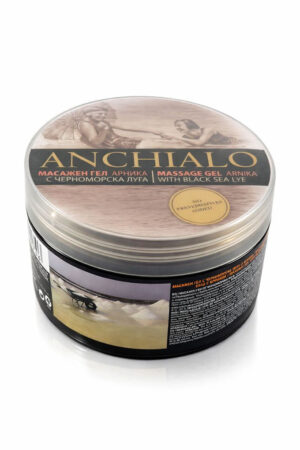
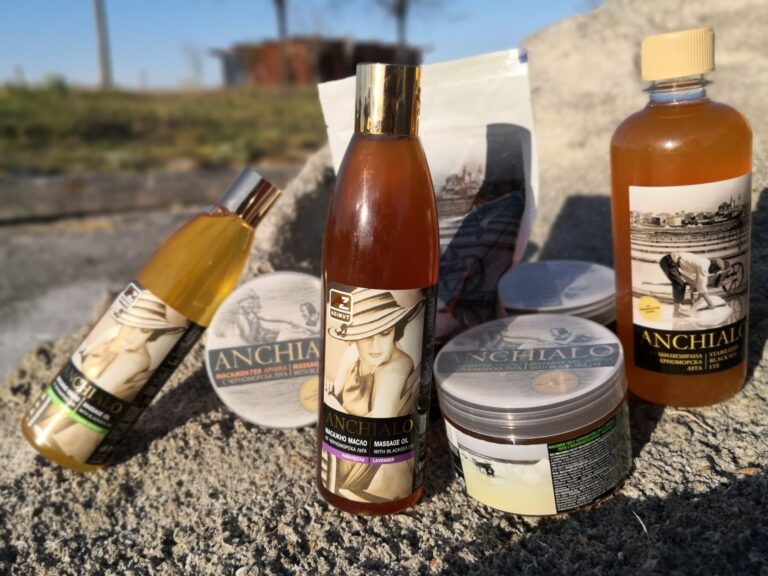
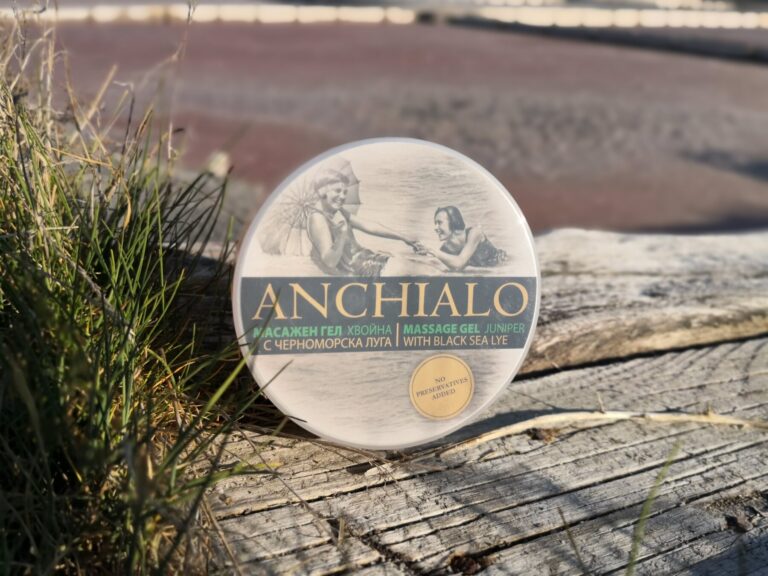
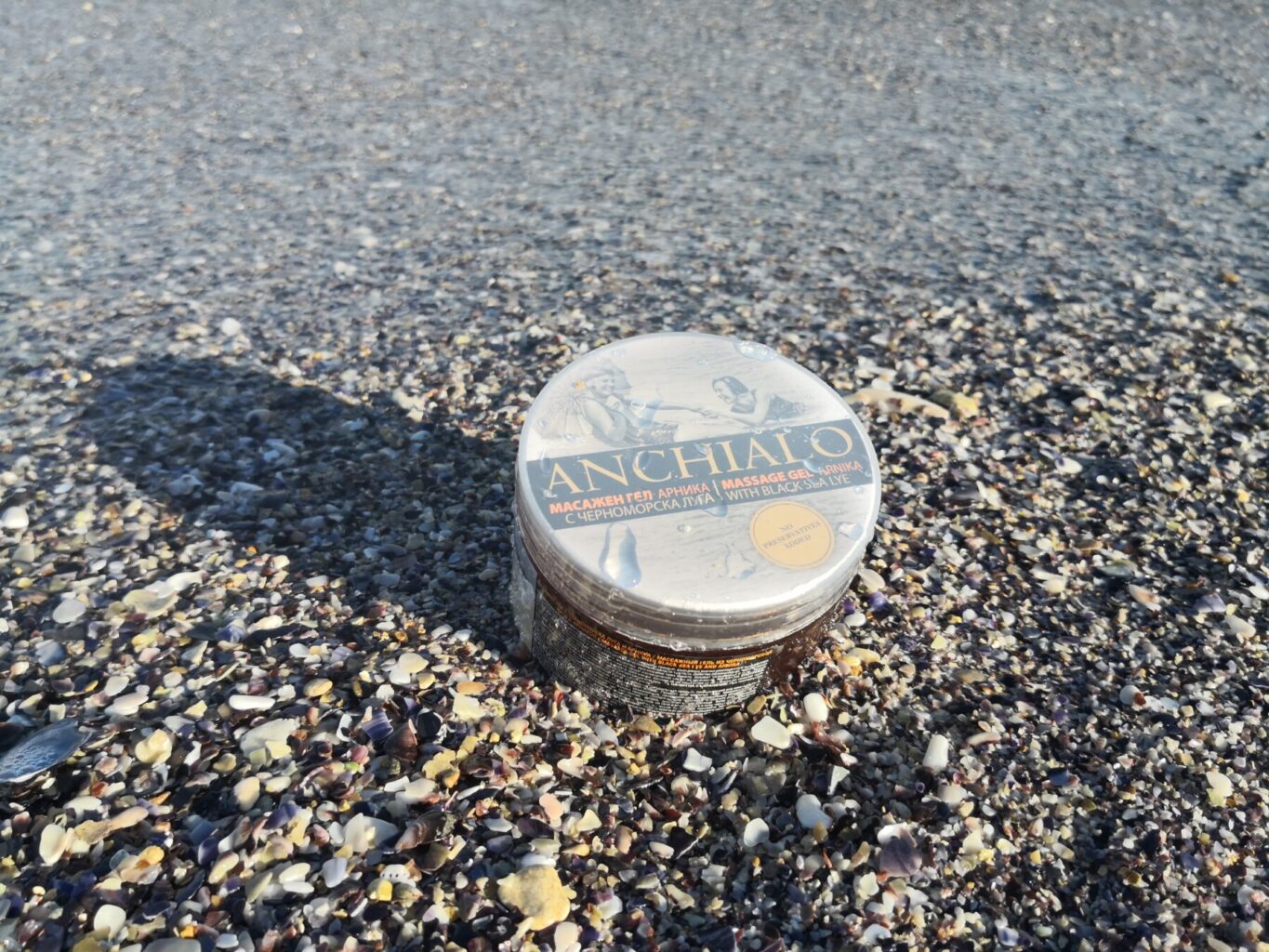
ANCHIALO massage oil with Black Sea lye
ANCHIALO massage oil with Black Sea lye is rich in magnesium salts. It relaxes, nourishes and hydrates the skin, while its minerals penetrate through it and tone the whole body. It is also suitable for muscle and joint pain, stiffness, arthritis, arthrosis, neuralgia and disc problems.
Source: svoizbor.com


About Luga.bg
Maker of natural products with Black Sea lye and liman mud from Pomorie. We have been writing about lye, mud and sea minerals since 2015 — with doctors, physiotherapists and our own experience.