

Contents
One of the first things people notice when we talk to them is the condition of our hair, hands and nails. Because of the gestures that so often accompany a conversation, our gaze falls — consciously or not — on the other person’s skin, hair and the shape of their nails.
Whether it’s a passing glance or a closer look, well-kept hands are noticed from afar and reveal a great deal about character. Smooth hands with carefully shaped nails are a pleasure to look at and a statement that you hold yourself to high standards. Beautiful hands speak of a healthy constitution and excellent hygiene — and nail art has long become an art form in its own right. But hair and nails also show something more: what we eat, how we live and whether our body is short of minerals.
In brief
- Hair “records” everything we eat and drink — it grows 0.3–0.5 mm a day and keeps the trace for months.
- The most common causes of damage are a lack of nutrients, colouring, bleaching and a hot hairdryer.
- White spots on the nails point to a deficiency of trace elements — magnesium, silicon, zinc.
- Magnesium and calcium act in opposite ways and need to be kept in balance.
What our hair says about us
Hair is more than an adornment or a protection for the head — it keeps an accurate record of the way we live. Its structure retains a trace of everything we eat, drink or apply to it. If you smoke, your hair knows it. Since it grows 0.3–0.5 mm a day, that record can be preserved for months and even years. This is why hair analysis is used to assess nutrition and the levels of heavy metals in the body.
Each of us has around 100,000 hairs. Their main component is the protein keratin. A hair also contains fats, the pigment melanin, vitamins, a little zinc and other minerals, while healthy hair is around 10–15 % water.
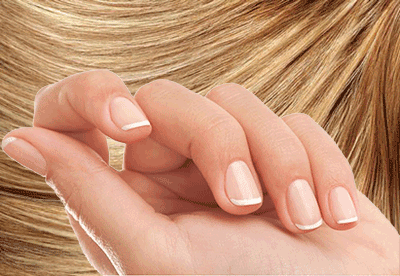
Healthy hair mirrors your diet
What damages hair
- a lack of nutrients;
- colouring, bleaching, perming;
- unsuitable shampoos;
- excessive drying with hot air and brushing too often.
Nails — a mirror of the body
Like the skin and hair, nails reflect our physical and mental state. Small white spots reveal a deficiency of trace elements — magnesium, silicon, zinc — which play a key role in many tissues and organs.
About two thirds of women have problems with their nails: they are brittle, they split, they have spots or ridges, and the cuticles around them are dry and flaking. The causes are often external — chemical cleaning products, poor-quality powders and soaps, hot and salty water, cheap nail varnishes, working with chemicals. At other times they are internal and can be corrected with suitable food supplements. Because the blood supply to the nails is weaker, the effect of minerals shows more slowly — patience and consistency are needed.
Magnesium and calcium — in balance
Magnesium helps the nail restore its natural balance and strengthens it while it is still growing. If nails break or peel in layers, calcium is needed too. The two minerals, however, have opposite effects on the body. Broadly speaking, the stiffer and less flexible the body, the less calcium and the more magnesium it needs.
A healthy cell contains plenty of magnesium and little calcium. The more calcium and the less magnesium there is around the cells, the harder it is for them to expel excess calcium. According to some authors, even our biochemical age can be judged by the ratio between the two minerals: magnesium is the mineral of rejuvenation and protects tissues from the calcification typical of ageing.
What you can do
- Eat a varied diet — magnesium is found in nuts, seeds, pulses and green leafy vegetables.
- Protect your hands from chemicals — wear gloves when cleaning.
- Spare your hair the hot hairdryer and frequent colouring.
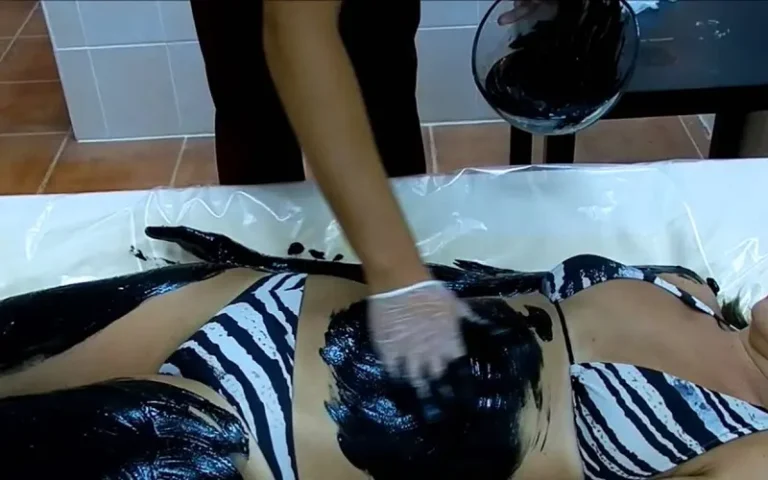
- Magnesium is also absorbed through the skin — for example with bath products and Black Sea lye baths.
Source: svoizbor.com


About Luga.bg
Maker of natural products with Black Sea lye and liman mud from Pomorie. We have been writing about lye, mud and sea minerals since 2015 — with doctors, physiotherapists and our own experience.