A Guide to Black Sea Lye
What Is Lye?
Pomorie (Black Sea) lye — from the salt pans to your home
Lye is the thick, oil-like liquid that remains in the salt pans once the sun has evaporated the seawater and the salt has crystallised. It holds all the minerals of the sea — many times more concentrated — and above all magnesium.
Along Bulgaria's Black Sea coast it has been used for generations for baths, compresses and massage. Here is what it is, what it contains, what it helps with and how to use it at home.
Reading time: about 8 minutes
- 230–280 g/l
- magnesium salts
- 340–370 g/l
- total mineralisation
- ≈ 6.6
- pH — almost neutral
- 2 lakes
- Pomorie and Atanasovsko
Essence
What is Black Sea lye
Black Sea lye is the end product of sea salt production by the traditional method — evaporating the water with the sun and the wind. In Bulgaria, salt is produced this way in two places: in the salt pans of Pomorie Lake and Atanasovsko Lake near Burgas. This is why lye is also known as Pomorie lye, while its older names are mother, natural and medicinal lye.
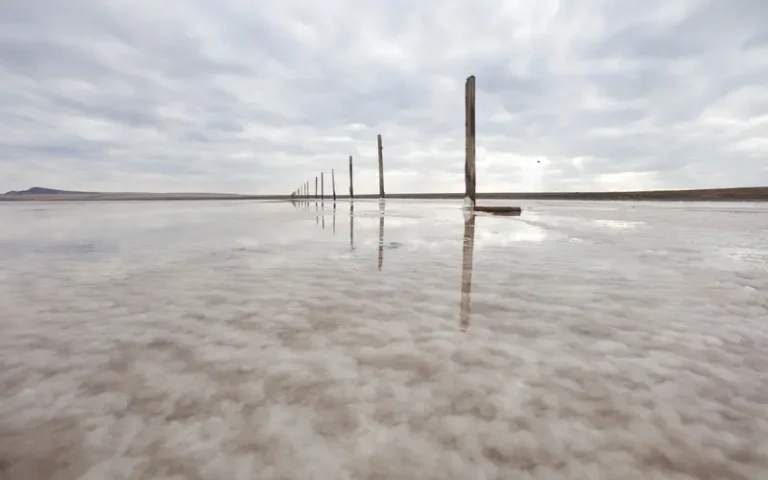
The water in the two lakes is far saltier than sea water and locals call it “brine”. It is used to fill shallow basins — the salt pans, also known as “pans”. As the water evaporates, the salt (sodium chloride, NaCl) crystallises and forms a layer 8 to 12 cm thick on the bottom. Above it remains a dense, oil-like liquid with a brownish-red colour and a faint smell of hydrogen sulphide. This is lye.
In this way, the very same basins yield two valuable natural products — sea salt and lye. After crystallisation, the lye is pumped into separate basins, where it is stored until processing.
Why the colour and smell of lye vary
Lye is a natural product and its colour and smell depend on the rainfall and temperatures throughout the year. It “matures” — reaching the required density and concentration of active substances — at the end of summer, in August and September. This is when the lye for cosmetic use is collected.
In composition, lye is close to the healing Pomorie liman mud, which is extracted from the same lake, which is why their effects are similar.
Origin
How lye is made — from the lake to the bottle
Salt production near Pomorie and Burgas has barely changed in centuries: the sun, the wind and time do all the work.
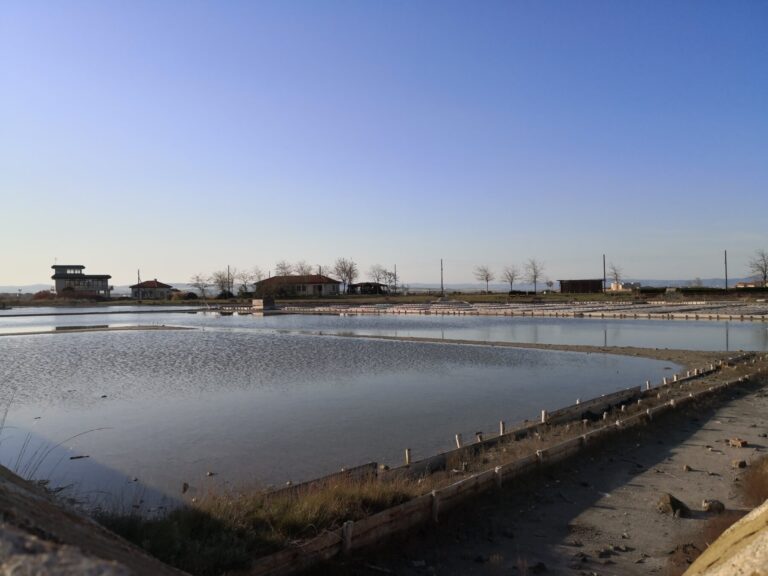
The brine fills the pools
The salty water from the lake is released into shallow basins — the salt pans. It is many times saltier than sea water.
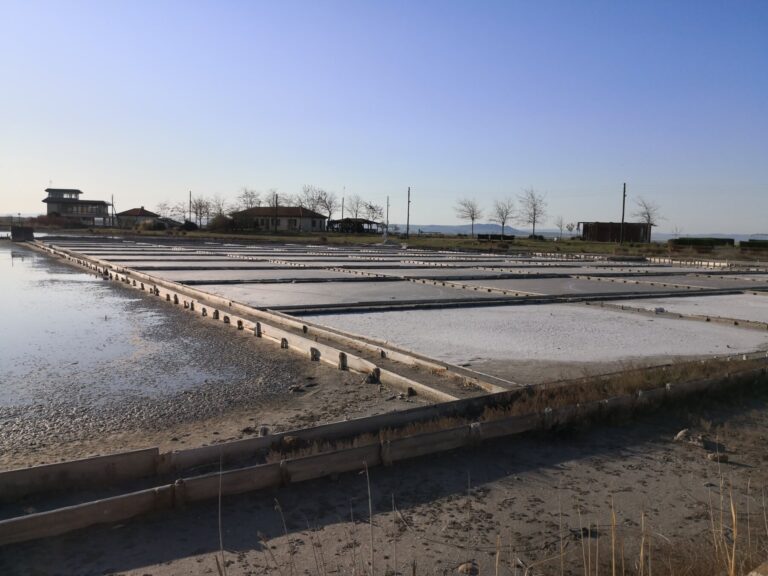
The sun evaporates the water
In summer the water evaporates, while the salt crystallises and settles on the bottom in a layer of 8–12 cm.
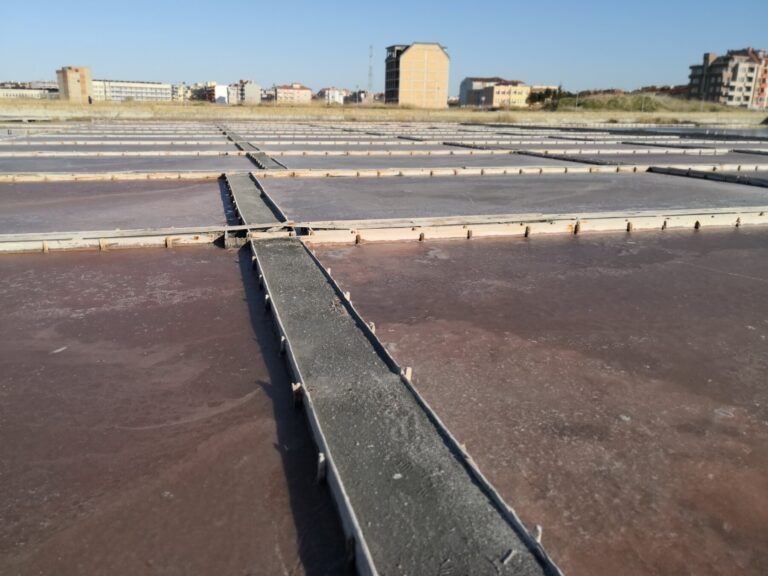
The lye remains
Above the salt remains a dense brownish-red liquid, exceptionally rich in magnesium salts. It is pumped into separate basins.
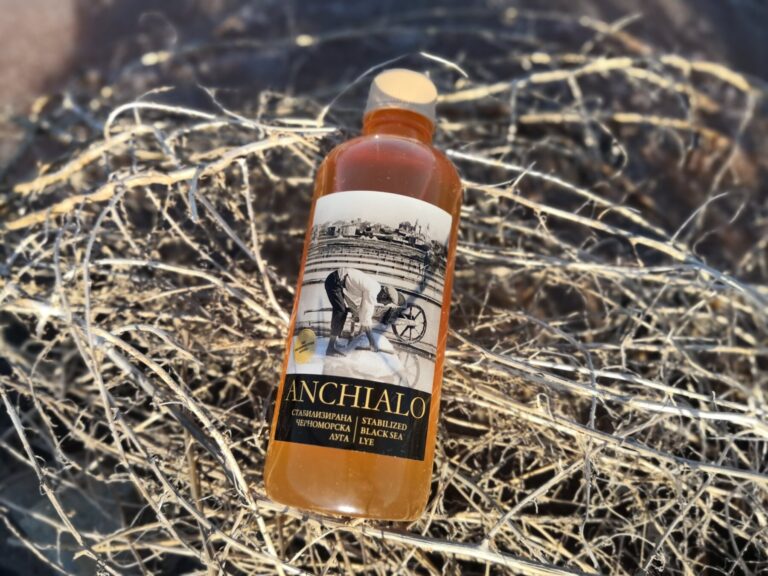
Filtration and stabilisation
Within 24 hours of extraction, the lye is filtered and stabilised — preserving its properties for a long time.
Fancy seeing the salt pans up close? Read how to bathe in the lye at the Burgas salt pans or visit the Salt Museum in Pomorie — the only one of its kind in Eastern Europe.
Ingredients
What lye contains
Lye contains all the constituents of sea water and brine — magnesium, calcium, sodium, potassium, chlorine, bromine, sulphates and bicarbonates, along with numerous trace elements and organic substances. The highest content is that of magnesium salts — magnesium chloride (MgCl₂) and magnesium sulphate (MgSO₄).
- 230–280 g/l
- magnesium salts (MgCl₂ and MgSO₄)
- 340–370 g/l
- total mineralisation
- 80–95 g/l
- alkali chlorides (NaCl and KCl)
- 6.59
- pH — almost neutral
Why magnesium matters so much
Magnesium plays a part in hundreds of processes in the body. It is needed for energy production in the cells and for metabolism, it keeps the nervous and muscular systems in balance, helps relieve muscle pain and cramps, and does wonders for the skin, hair and nails. Stress and fatigue — whether physical or mental — deplete magnesium from the cells, which is why it is important to replenish it after exertion.
During treatments with lye, magnesium and the other minerals are absorbed through the skin. Read more here: Magnesium — the key to good health and Magnesium and sport.
More than just minerals
Lye also contains biologically active substances — microalgae rich in chlorophyll and vitamins, zooplankton and bacteria typical of salt lakes. Thanks to its rich composition and pleasant, oil-like consistency, lye is often compared to Dead Sea salts — and it is gentler on the skin.
Source of the composition data: "Mud Therapy in Pomorie", Prof. Diana Krasteva and Dr Antoaneta Grozeva.
Quality
Why lye needs to be stabilised
The moment it is taken out of the pans, lye is a living substance. If it is not filtered and stabilised within 24 hours, processes of decay and crystallisation set in and it loses a large part of its valuable properties.
Stabilisation and filtration remove unwanted impurities and preserve the minerals, trace elements and biologically active substances for a long time and at varying temperatures. This makes lye safe for cosmetic and balneological treatments and suitable for use even in oral hygiene products.
How to recognise quality lye
- The origin is stated — the Pomorie or Burgas salt pans.
- The label states that it is stabilised.
- There is a manufacturer, a batch number and a best-before date.
- It is sold in sealed packaging, not loose from containers of unclear origin.
Benefits
What lye helps with
The applications of Black Sea lye are exceptionally wide-ranging, because it combines several qualities at once. According to research carried out over the years by scientists at ISUL and the Bulgarian Academy of Sciences, it has anti-inflammatory, pain-relieving and antiseptic effects.
When it is used
In balneology and rehabilitation, the beneficial effects of lye have been observed in a wide range of health conditions:
Joints and musculoskeletal system
Massage Gels with LyeJoint pain, arthritis, arthrosis, neuritis, Bechterew's disease, inflammation of the periarticular tissues, sprains and dislocations, recovery after fractures, neuralgia, plexitis, discopathy.
Skin and hair
Magnesium for Healthy SkinPsoriasis, acne, fungal infections, slow-healing wounds, dandruff.
Oral cavity
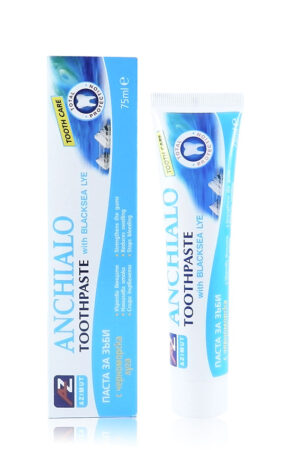
Toothpaste and mouthwash with lyePeriodontal disease, mouth ulcers, gingivitis, bleeding gums.
Respiratory tract
Lye TreatmentsColds and inflammations of the upper respiratory tract — through inhalations and gargling.
Blood circulation
How lye helps joints and skinHaemorrhoids, swollen legs, varicose veins — cold applications only.
Important
Lye products are cosmetic and do not replace treatment prescribed by a doctor. In cases of high blood pressure, cardiovascular disease, varicose veins or pregnancy, consult a doctor and do not heat the lye. The specialists' opinion: Dr Antoaneta Grozeva and Dr Stefan Shishkov.
How to use
How to use lye at home
Lye requires no special equipment. Here are the most common methods — with the exact dosages. More details: Lye procedures.
Bath
Stabilised lye500–2000 ml of lye in a bath with 60–80 l of water, no warmer than 38 °C. Soak for 15–30 minutes, then rinse off with water.
Foot bath
Stabilised lye150–200 ml of lye in a basin of water up to the ankles, for 20–30 minutes — particularly soothing for ankle pain.
Compress
Lye applicatorA cotton cloth soaked in lye, warmed in a water bath to 38–40 °C, placed on the affected area, covered with film and a towel for 20–40 minutes. A course of 12–14 treatments.
Massage
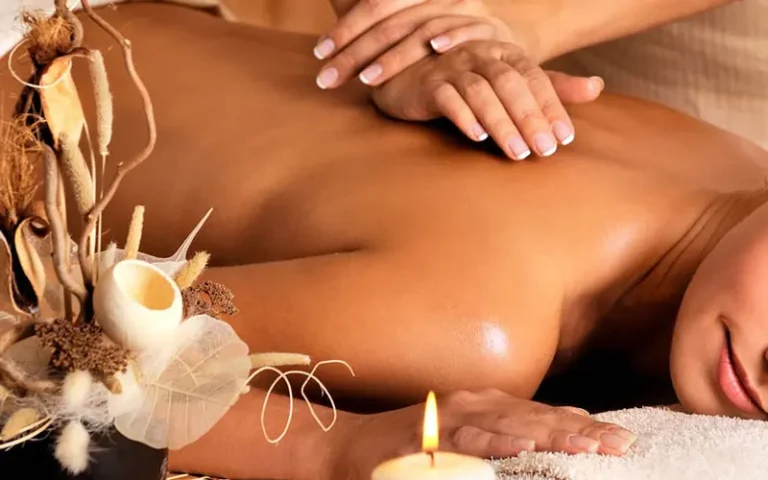
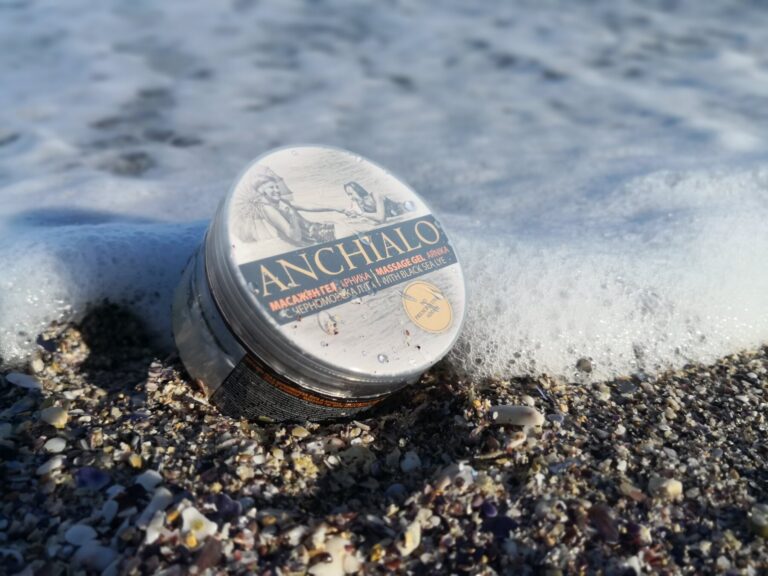
Massage GelsMassage gel or oil with lye is rubbed into the skin and left to absorb — from 20 minutes to several hours.
Frictions
Shower Gel with LyeSponge down clean skin with lye — diluted 1:10 at first, then in increasingly stronger concentrations. After a few minutes, rinse off with water, without soap.
Oral Hygiene
Oral HygieneToothpaste (35% lye) and mouthwash (10% lye) — 2–3 times a day. The mouthwash should not be swallowed.
Safety
Contraindications: when to consult a doctor
Lye and liman mud are highly mineralised — a compress or bath introduces a large amount of salts and minerals into the body. Most people tolerate them well, but there are conditions in which the treatments are not suitable or should only be carried out after a doctor's assessment.
When lye and mud treatments are contraindicated
- cardiovascular conditions — a previous heart attack, stage two or three hypertension;
- varicose veins;
- pregnancy;
- certain malignant (oncological) diseases;
- acute inflammation and raised temperature.
In cases of hypertension and varicose veins, the lye is not warmed — cold compresses and baths are used instead.
More: Dr Antoaneta Grozeva on lye therapy · Dr Stefan Shishkov on lye and mud
Shop
Products with Black Sea lye
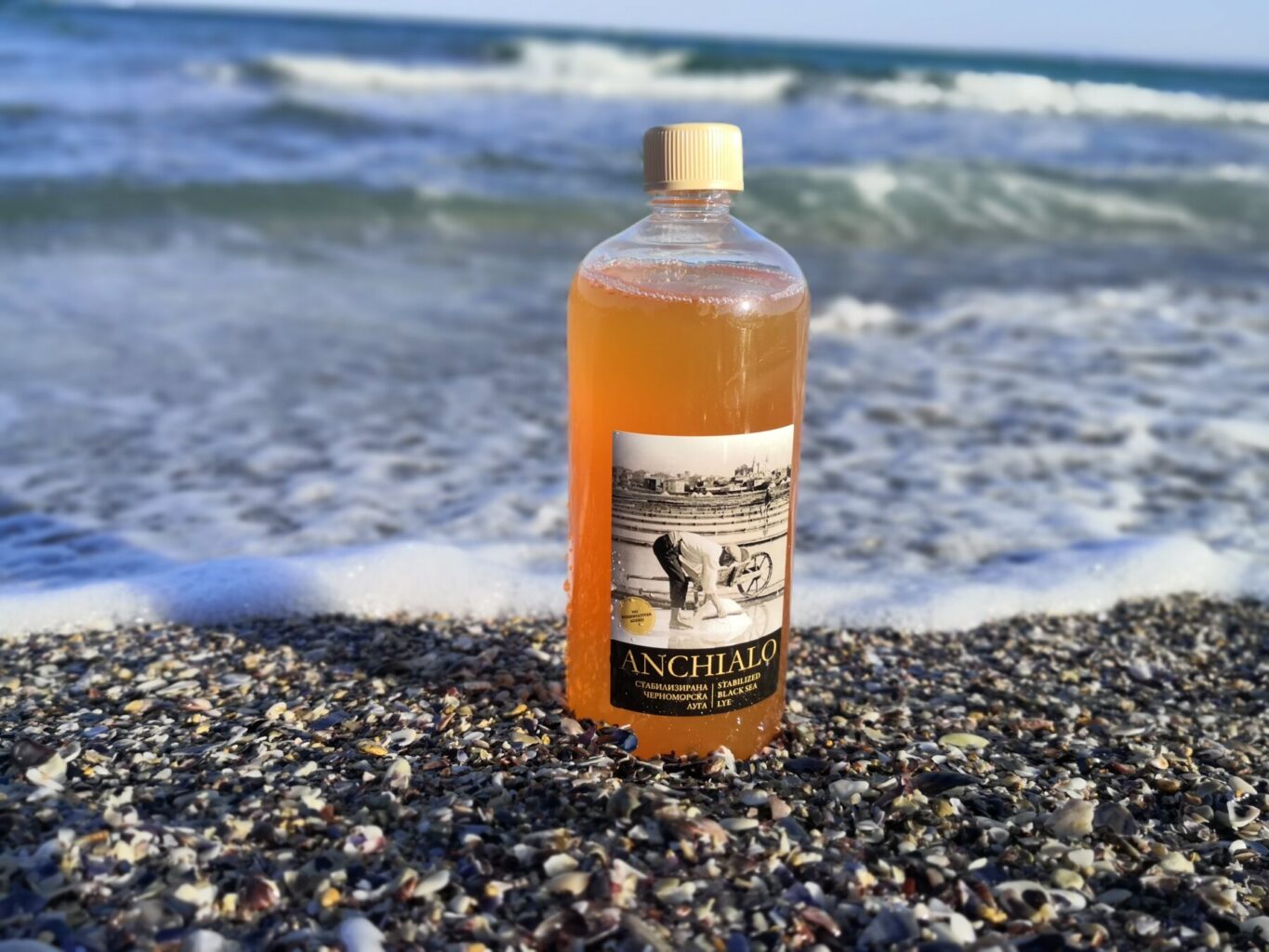
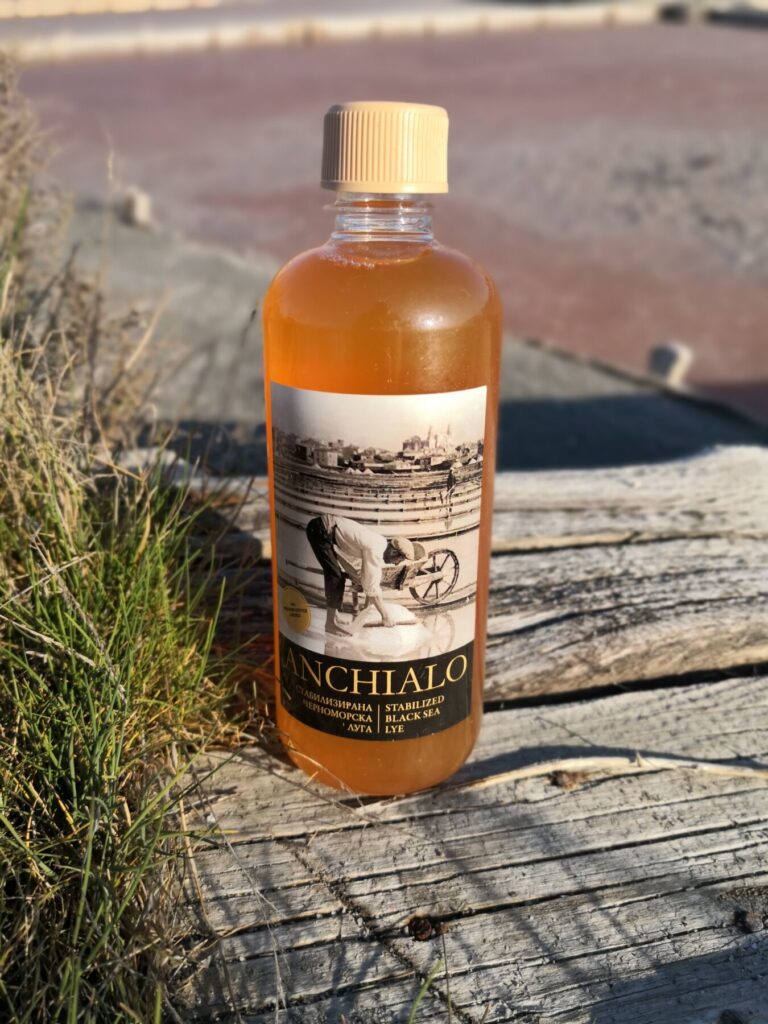
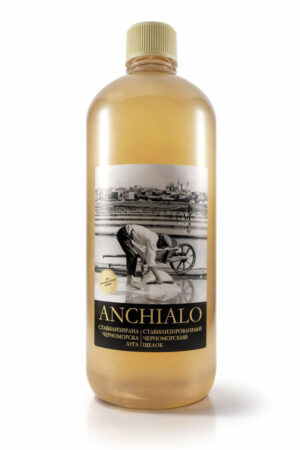
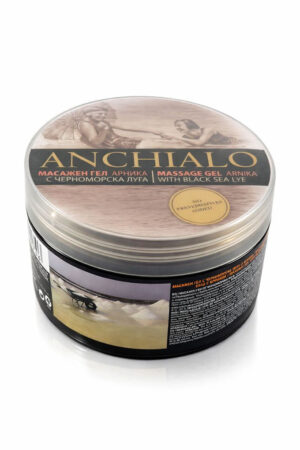
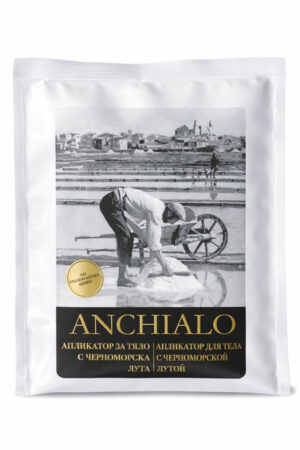
ANCHIALO stabilised lye and lye products from Pomorie — with delivery to your address, office or parcel locker via Econt, Speedy and BOX NOW.
Reviews
What our customers say
Questions
Frequently Asked Questions About Lye
What is the difference between lye, brine and liman mud?
Brine is the highly saline water of Pomorie Lake and Atanasovsko Lake. Lye is the concentrate left behind from the brine in the salt pans once the salt has crystallised. Liman mud is the dark sediment from the lake bed. All three come from the very same place and share a similar mineral composition, which is why their effects are so closely related.
Are Pomorie lye and Black Sea lye the same thing?
Yes. "Black Sea lye" is the general name, while "Pomorie lye" comes from Pomorie — the centuries-old centre of salt production along our Black Sea coast. The lye from the Burgas salt pans (Atanasovsko Lake) is also Black Sea lye. You may also come across the names "mother", "natural" and "medicinal" lye.
Where is lye produced today?
In Bulgaria, lye is obtained only through traditional salt production — in the Burgas salt pans on Atanasovsko Lake and in the Pomorie salt pans. In recent years, production has been concentrated mainly in the Burgas salt pans. ANCHIALO products are made in Pomorie, on the shore of Pomorie Lake.
What is the difference between natural and stabilised lye?
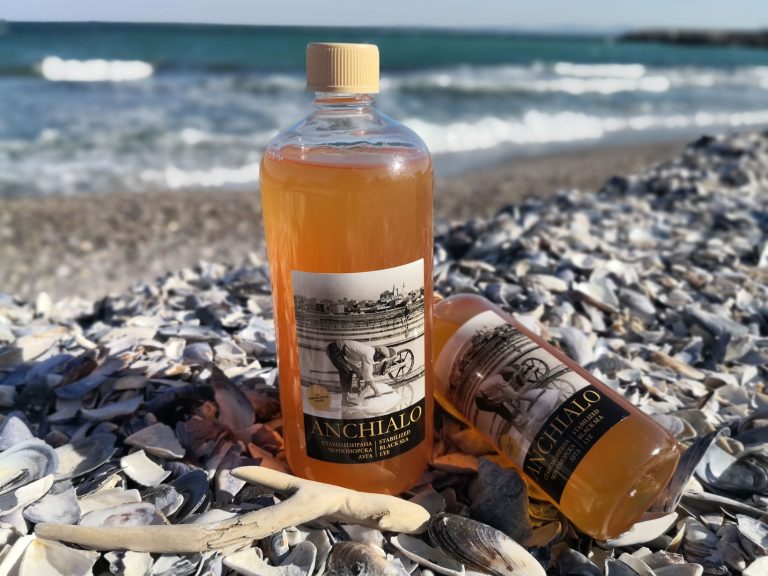
Natural lye is the raw material taken straight from the pans. Without processing it quickly begins to spoil and crystallise, losing its properties. Stabilised lye is filtered and processed within 24 hours of extraction, so that the minerals and active substances are preserved for a long time and at varying temperatures. For home use, choose only stabilised lye.
Lye or Dead Sea salt — which is better?
Both are rich in magnesium. Lye, however, is liquid, with a pleasant oil-like consistency, and is gentler on the skin; it is ready to use for baths, compresses and massage, with no need to dissolve it. It is also a Bulgarian natural product with a clearly documented origin — from the salt pans near Pomorie and Burgas.
Can lye be drunk?
No. Lye is for external use only — for baths, compresses and massage, and in the mouth for rinsing, without swallowing. Keep away from the eyes and store out of the reach of children.
Are there any contraindications?
Most people tolerate lye well. Consult your doctor if you have high blood pressure, cardiovascular disease, varicose veins, are pregnant, or have acute inflammation or a fever. In cases of hypertension and varicose veins, the lye is not warmed — cold compresses and baths are used instead.
Can I bathe in the lye at the Burgas salt pans?
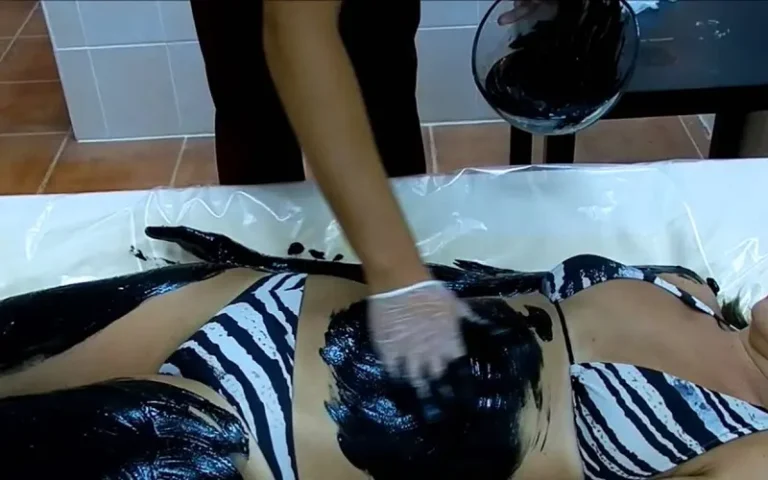
Yes — in summer the salt pans near Burgas and Pomorie Lake draw plenty of visitors who coat themselves in mud and step into the pools. For how to do it safely, how long to stay in and what to bring, read The Burgas salt pans — how to bathe in the lye.
Continue with
More useful information about lye
 GuideLye TreatmentsBaths, compresses, massage, inhalations — all the treatments with exact dosages.Read
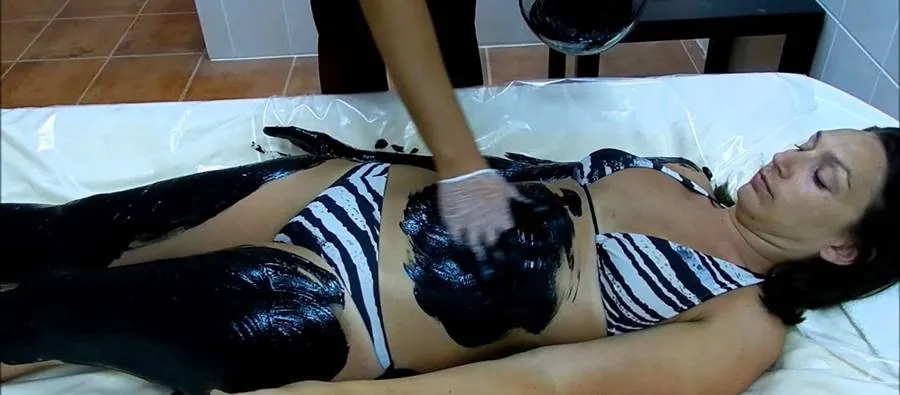 VideoVideo proceduresSee step by step how to carry out a lye and mud treatment at home.Read
 ArticleThe Benefits of Pomorie Lye: What It Helps With and How to Use ItWhat Black Sea lye is, how it benefits the joints, muscles and skin, and how to make baths, compresses and…Read
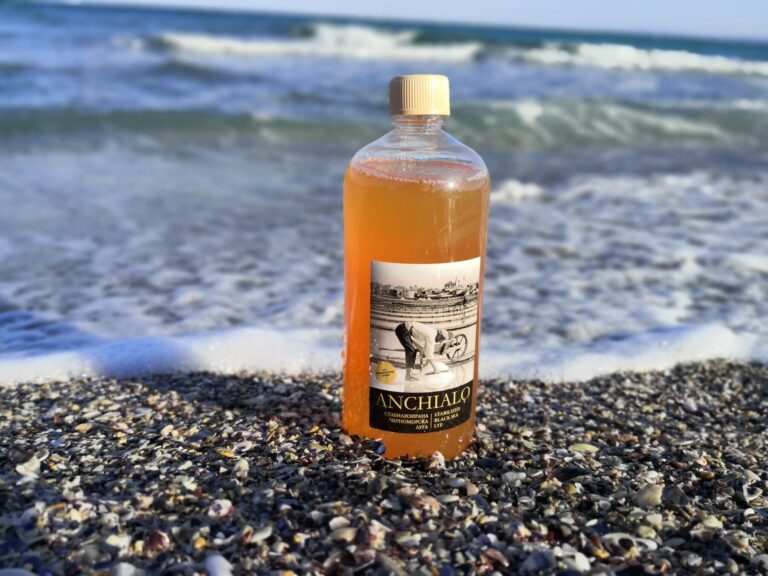 ArticleHow lye helps joints and skin – answered by Dr Antoaneta GrozevaA physiotherapist with 32 years of practice in Pomorie explains which conditions lye is used for, how to prepare the…Read
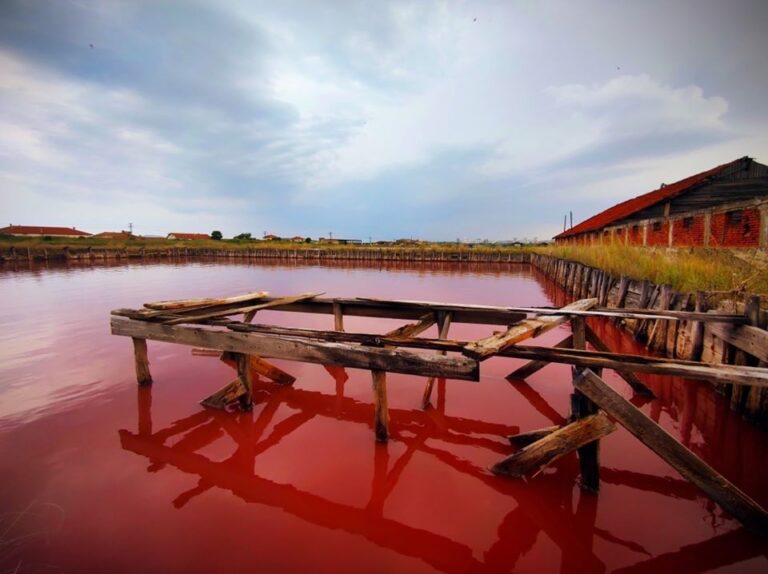 ArticleBurgas Salt Pans — the salt of life: how to bathe in lyeA travelogue by Zhivko Konstantinov from the lye pools near Burgas — the experience, the key safety advice, why the…Read
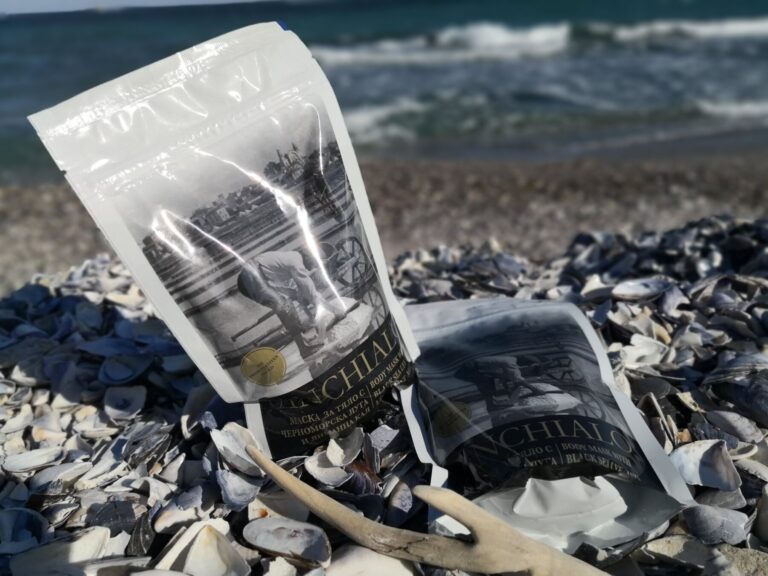 ArticlePomorie liman mud — the black gold of PomorieA first-person account of the mud baths in Pomorie — from the queue outside the sanatorium to the little beaches…Read
The sea at home
Experience the power of lye
Stabilised Black Sea lye ANCHIALO — for baths, compresses and rubs. A natural product from the salt pans near Pomorie, produced in Pomorie.