Contents
A reader asks: which conditions is lye therapy used for, how does it work, how many times a year should it be done and are there any contraindications? Answering is Dr Antoaneta Grozeva — a specialist in physiotherapy, balneology and rehabilitation with over 32 years of practice in Pomorie.
“Hello. I would like a professional answer: which conditions is lye therapy used for? What does the treatment actually involve? How many times a year should it be carried out? Are there any contraindications? In which medical facilities is it offered?”
— Penka Atanasova, Plovdiv
In brief
- The most common application is lye compresses — for joint pain, rheumatism, injuries and disc disorders.
- Natural lye also helps with slow-healing wounds, psoriasis, eczema and hair loss.
- Lye is warmed in a water bath only and never above 65 °C — otherwise it loses its active substances.
- Contraindications are assessed by a doctor for each patient individually.
About the expert
Dr Antoaneta Grozeva is a senior lecturer at the Medical College in Burgas. For more than 32 years she has worked in Pomorie with Pomorie liman mud and lye as the principal therapeutic factor. She has over 30 scientific publications on mud therapy and is among the founders of the Bulgarian Balneotourism Association.
Which conditions is lye used for?
“Lye is applied in natural or diluted form, in varying concentrations and quantities,” explains Dr Grozeva. In practice, the most widely used method is the lye compress:
- for rheumatic conditions — gonarthrosis, coxarthrosis, spondylarthrosis, rheumatoid arthritis, ankylosing spondylitis, infectious arthritis;
- for injuries — to soft tissue and bone, sprains, dislocations, fractures;
- for neurological conditions — neuralgia, neuritis, plexitis, disc disorders.
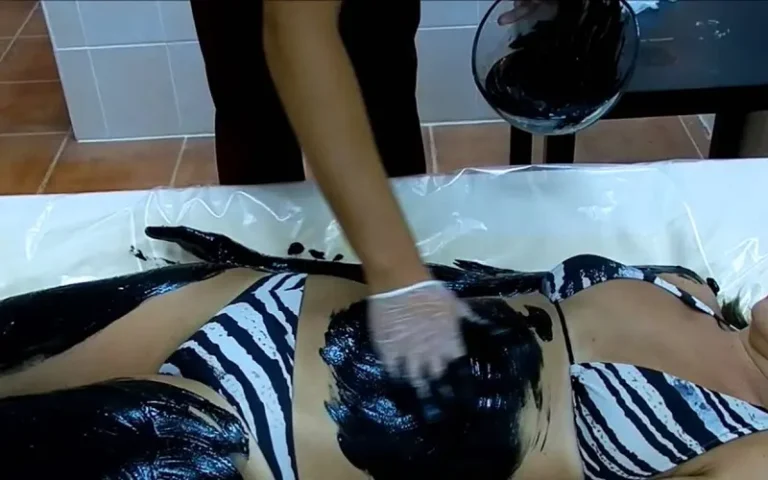
For compresses, lye is used in its natural form, warmed in a water bath. Natural lye is also applied to slow-healing wounds and skin conditions — psoriasis, neurodermatitis, eczema and hair loss.
How is diluted lye used?
- as a mouth rinse for gum conditions;
- for inhalations in conditions of the upper respiratory tract;
- for drinking and for irrigations — in certain gastrointestinal, kidney and gynaecological conditions.
Important
Drinking lye and irrigations are medical procedures — they are carried out only on prescription and under a doctor’s supervision, in a medical facility. Do not drink lye on your own at home.
What exactly is lye?
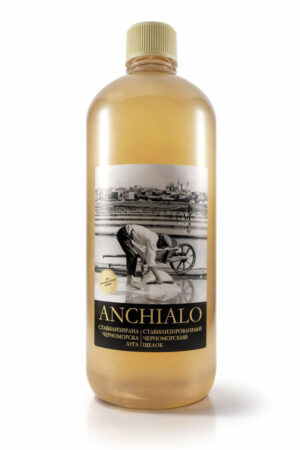
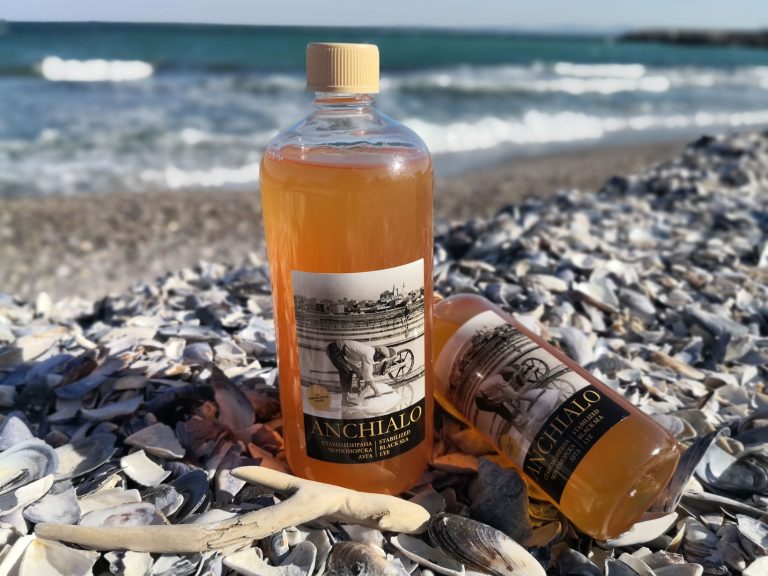
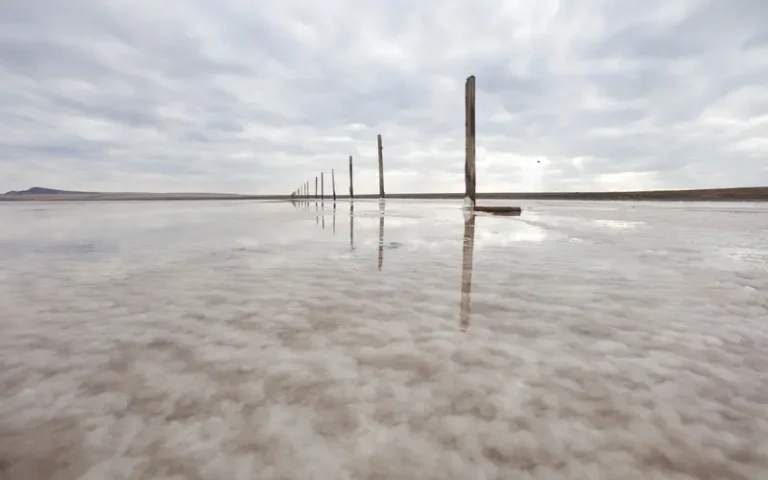
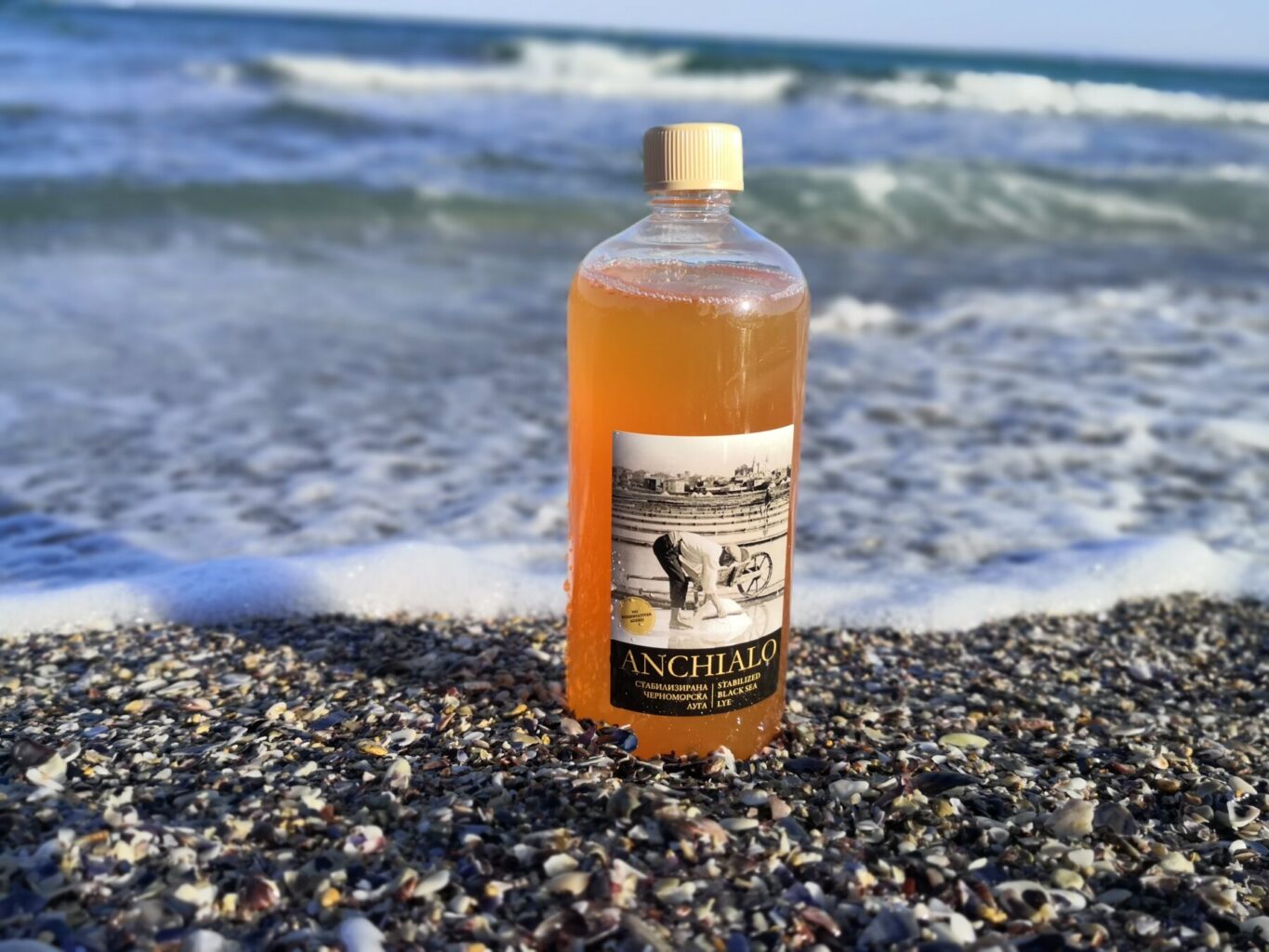
“Lye is the end product of salt production in Pomorie,” the specialist explains. It is obtained from the brine of Pomorie Lake: once the water in the salt pans evaporates and the salt crystallises, a thick, oily, yellowish-brown liquid remains above the salt layer.
It contains all the components of seawater and brine, but in a higher concentration — calcium, sodium, magnesium, chlorine, bromine, sulphates, hydrocarbonates, numerous trace elements and organic substances. In composition it is close to the mud solution, which is why it acts in a similar way to the mud.
Its effects have been studied in detail by S. Konsulov and S. Bachev. In a person who is unwell, lye has a multifaceted action: anti-inflammatory, accelerating tissue recovery and stimulating the body’s defence responses.
Why lye is not heated above 65 °C
Lye is a complex solution in which the minerals are bound to colloidal particles. Artificial heating — without the sun — destroys these bonds. It also destroys the heat-sensitive biologically active substances that come from the plankton in the lake and from the processes of mud formation.
How to warm lye
Always in a water bath — place the container of lye inside a larger vessel of hot water. Do not heat it on the hob or in a microwave, and do not exceed 65 °C. For a compress, 38–40 °C is sufficient.
Where in Bulgaria is lye therapy available?
Lye therapy is offered in many health facilities — diagnostic and treatment centres, hospitals and rehabilitation clinics — as well as at home. Lye procedures are provided, for example, at Narechenski Bani, Hisarya, Starozagorski Mineralni Bani and many other balneological centres.
Are there any contraindications?
Yes — and this is why the doctor on site assesses whether the individual patient has any contraindications and what form the treatment should take.
Can a lye compress be done at home?
“Most people are familiar with the beneficial properties of lye,” says Dr Violetka Ikonomova, head of the Physical Therapy and Rehabilitation Department at Tokuda Hospital. “It is a highly mineralised marine solution rich in salts and minerals. With a compress, you introduce a large amount of them into the body.”
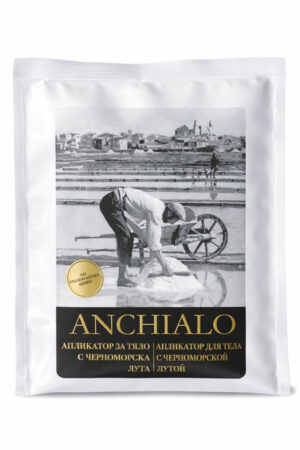
Lye is applied warm: warming dilates the blood vessels and helps the minerals penetrate. “People can do such compresses themselves at home,” Dr Ikonomova adds. Pharmacy shops now also sell ready-soaked lye compresses in small sachets, complete with instructions for use. They are convenient for smaller areas — a knee or a wrist, for instance. For larger areas, such as the spine, several can be combined.
Source: interview with Dr Antoaneta Grozeva for Doktor newspaper, published on zdrave.to on 07.11.2016.


About Luga.bg
Maker of natural products with Black Sea lye and liman mud from Pomorie. We have been writing about lye, mud and sea minerals since 2015 — with doctors, physiotherapists and our own experience.