
Contents
The healing properties of mud have been known since ancient times. In Ancient Egypt, the mud left on the banks after the Nile flooded was used to treat a variety of ailments. In the 16th century mud therapy appeared in Italy, later in France and Germany, and gradually in many other countries too. Today mud and clay are among the most highly valued natural ingredients in cosmetics.
In brief
- Peloids are therapeutic muds — water, minerals, organic substances and gases, above all hydrogen sulphide.
- Mud retains heat for a long time, which is why it improves circulation wherever it is applied.
- It works like a “vacuum cleaner” for the skin — drawing out dirt, sebum and dead cells.
- For oily and problem skin — fuller’s earth and clay; for dry skin — sea mud.
What peloids are
Therapeutic muds, or peloids, are classed as mineral resources. They contain water, organic and mineral substances and gases, the most important of which is hydrogen sulphide. They also contain biologically active substances — enzymes, vitamins and natural antibiotics. It is these that explain the antimicrobial action of mud against staphylococci, streptococci and other microorganisms.
How mud works
Its action comes not only from its composition, but also from its temperature. Mud absorbs a great deal of heat and releases it slowly, so once warmed it holds the same temperature for a long time. Wherever it is applied, circulation improves and cellular processes speed up.
The active ingredients of the mud penetrate into the tissues through the pores. This accelerates the metabolism. The healing effect is the result of the simultaneous chemical, biological and mechanical action of the mud. This is why mud therapy also requires correct extraction and processing — only then does the mud retain its properties.
The four types of peloid
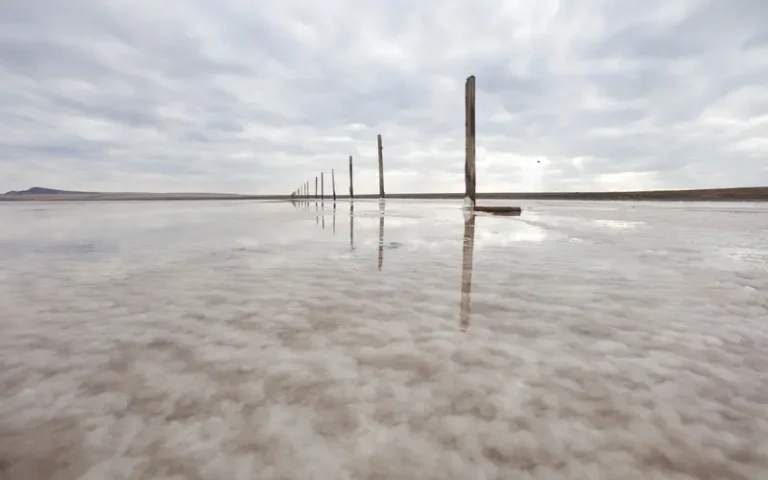
According to their origin and properties, therapeutic muds are liman-lagoon, peat, volcanic and spring muds. Liman-lagoon muds form in salt water bodies: they contain a great deal of mineral matter and less organic matter (around 10%), and have the strongest bactericidal action. In Bulgaria, Pomorie Lake is renowned for its liman mud.
Mud and clay in cosmetics
Peloids are fine particles with strong absorbent power. They are extracted from the sea, from rock or from volcanic springs, ground very finely and used in masks, creams and body lotions. They act as a vacuum cleaner for the skin: they free the pores of dirt, dust and sebum and cleanse deep down. Depending on how they are used, they either warm or cool. This makes them indispensable for problem skin, for dilated capillaries and for poor circulation.
| Type | Why it is valued | Suitable for |
|---|---|---|
| Liman mud | Rich in minerals and sulphur, strongly bactericidal | Body, joints, problem skin |
| Volcanic mud (fango) | Barely refined; brightens the complexion, softens the feet | Body and hair |
| Fuller’s earth | Draws out dirt, bacteria and dead cells | Oily, congested, problem skin |
| Sea mud | Retains moisture in the skin, strengthens its barrier function | Dry, flaky skin with a dull complexion |
| Dead Sea mud | Grey-green, leaves the skin smooth and rosy | Dry skin, face masks |
| White clay (kaolin) | The finest of all; used in powders, masks and cleansers | All skin types |
Volcanic mud (fango)
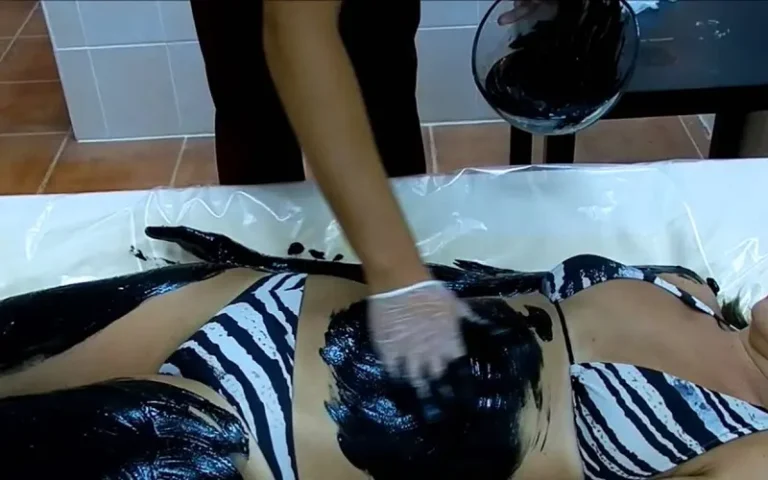
It is applied directly to the skin of the body, left to dry slightly and rinsed off in the shower — without soap or shower gel. More and more cosmetics companies are using it in creams for brightening the complexion and softening the feet. It is also good for the hair.
Fuller’s earth, sea mud and clay deposits
Moroccan fuller’s earth, sea mud and marine clay deposits are every bit as good as fango — as a powder, in a cream or in a ready-made mask. Their greatest asset is their high content of minerals, vitamins, sulphur and beneficial microorganisms.
The composition of sea mud depends on the sea it comes from: mud from the North Sea is rich in calcium and magnesium, while mud from warmer seas is rich in sulphur and microorganisms. The grey-green mud from the Dead Sea is the best known, but a similar effect can be achieved with other sea mud in face masks and soaps.
White clay (kaolin)
The finest and most widely used product of all. It is a key ingredient in powders, in face masks and cleansers, and even in whitening toothpastes.
Fuller’s earth and clay for deep cleansing
Clay and fuller’s earth draw out like a magnet almost everything that stops the skin from breathing — dirt, bacteria, dead cells. That is why they are used above all in products for problem, congested and oily skin.
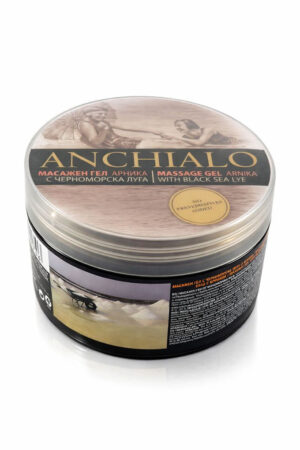
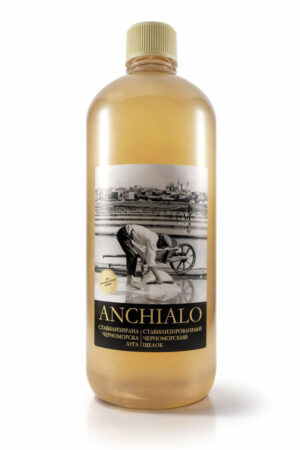
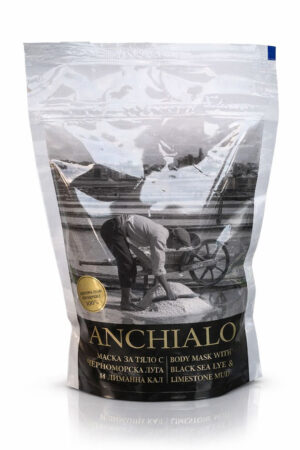
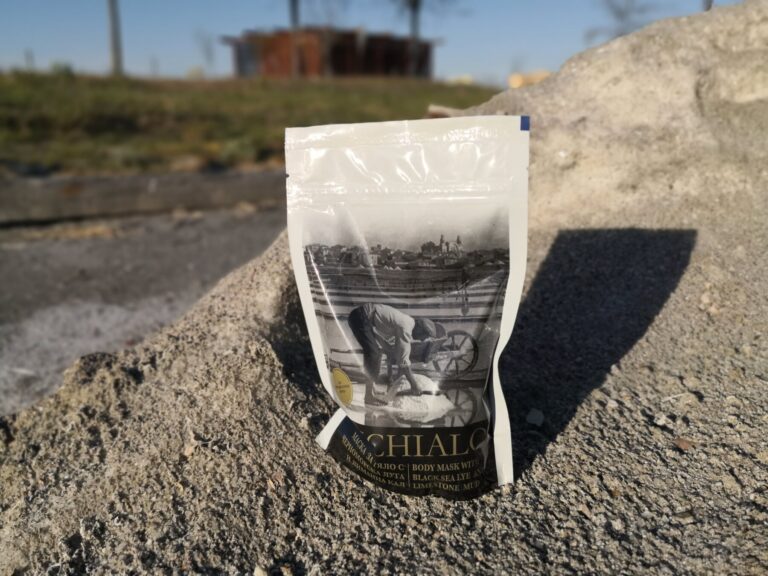
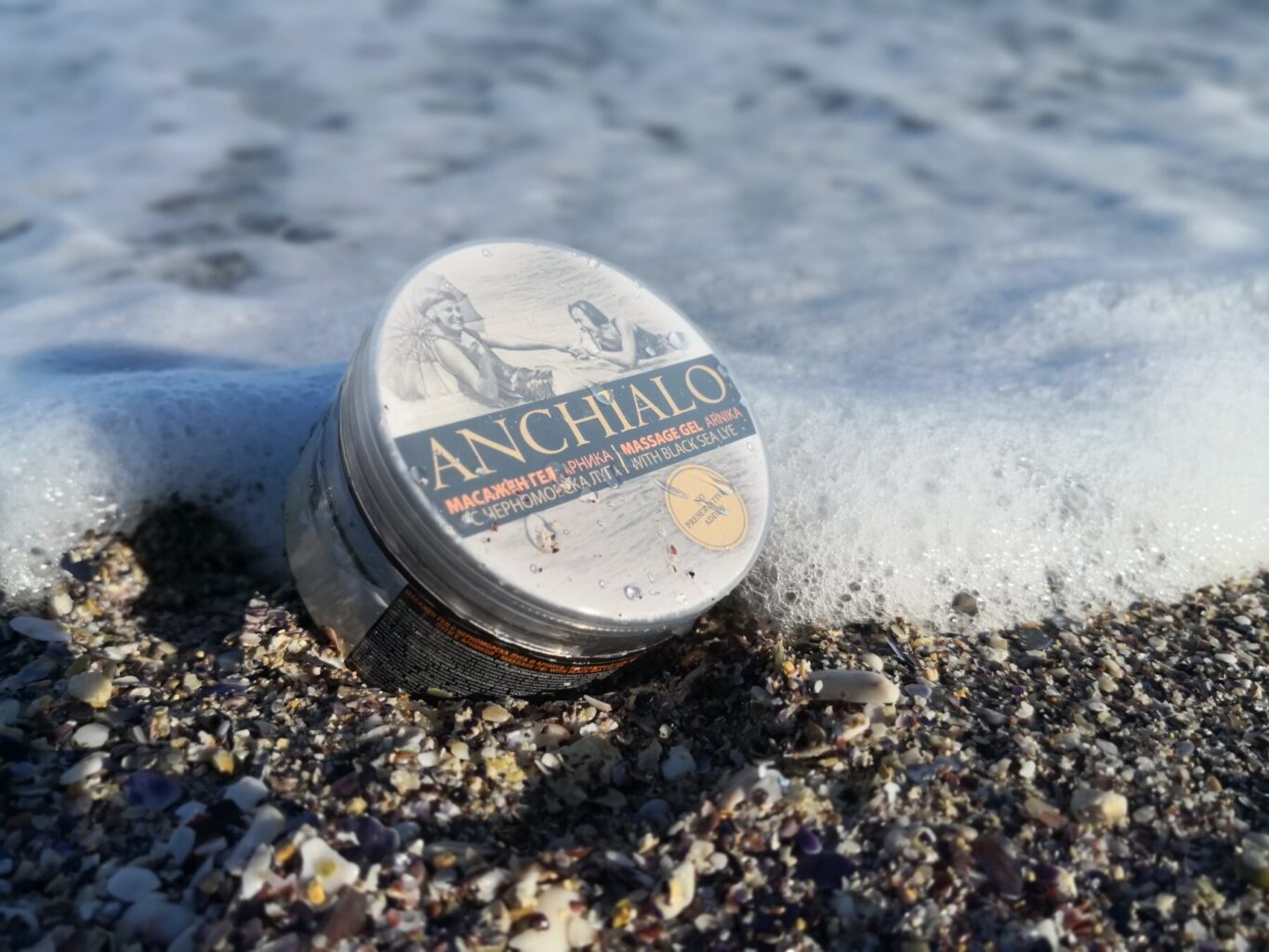
Would you like to try liman mud at home? ANCHIALO Pomorie mud is filtered and stabilised — ready to use for face and body masks.
Source: puls.bg


About Luga.bg
Maker of natural products with Black Sea lye and liman mud from Pomorie. We have been writing about lye, mud and sea minerals since 2015 — with doctors, physiotherapists and our own experience.