Contents
- Spa treatments in the medicinal lye
- Important tips for visiting the Burgas salt pans:
- Don’t forget:
- Mud baths at the Burgas salt pans
- Healing properties of the mud in the Burgas salt pans
- I would like to thank Bayram Memish for sharing the details of why the colour of the lye in the Burgas salt pans is red:
- Useful information
- How to get to the salt pans
- Opening hours:
- A look back at the history
This is a travel account by the journalist Zhivko Konstantinov from the lye pools of the Burgas salt pans beside Atanasovsko Lake — one of the few places in Bulgaria where you can immerse yourself in lye itself. We are publishing it together with his detailed practical advice.
In brief
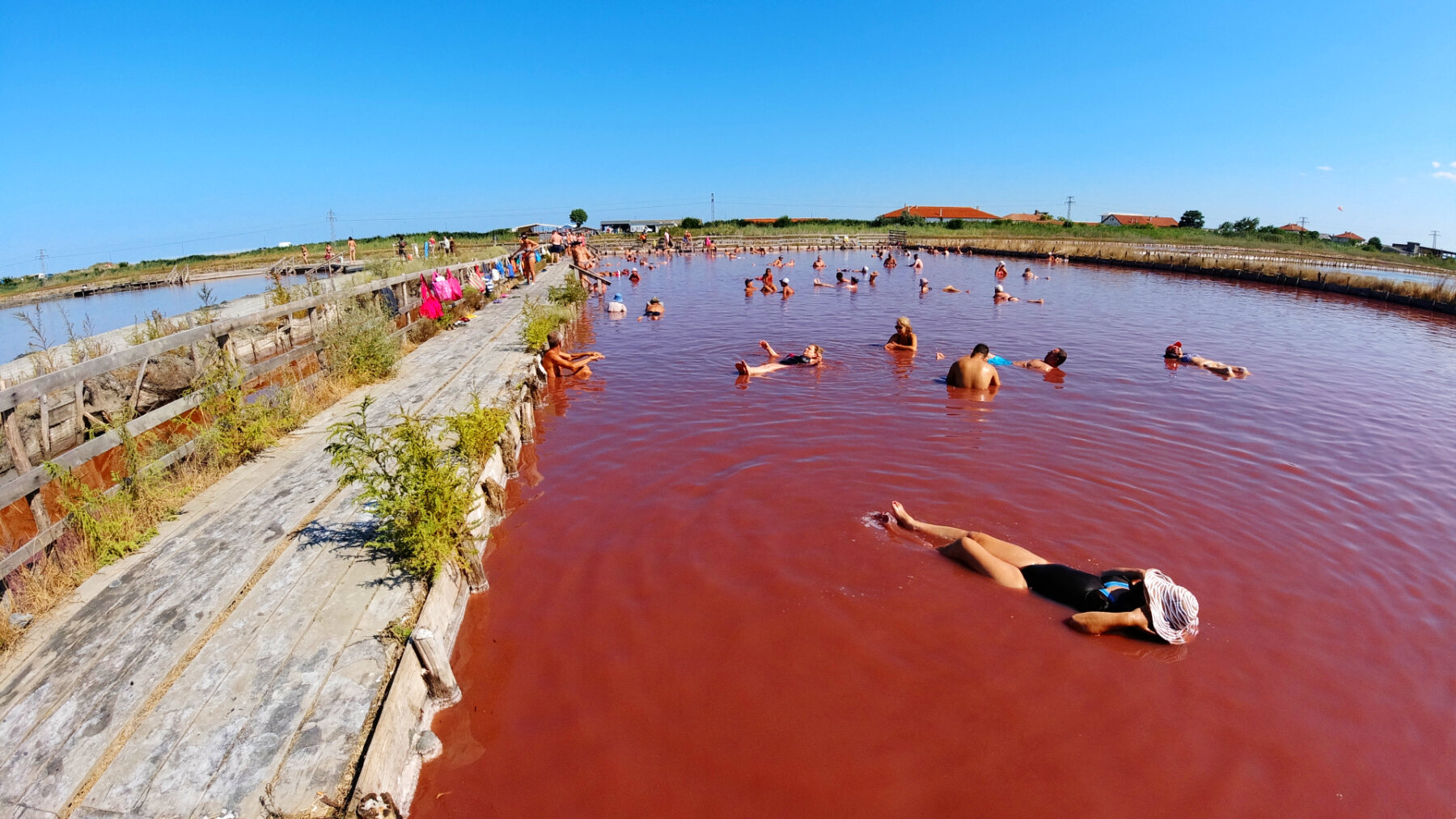
- The pools are shallow (30–40 cm) and you cannot sink in lye — you simply float on the surface.
- Stay in the lye for no more than 15–30 minutes — it puts a strain on the heart.
- Protect your eyes — lye in the eyes is extremely painful; bring a bottle of fresh water with you.
- Mud first, then rinse off in the sea, and only then the lye. Do not enter the lye covered in mud.
- No sun cream before the treatments, not on an empty stomach, and not after a meal or alcohol. Lye is not recommended for children under 12.
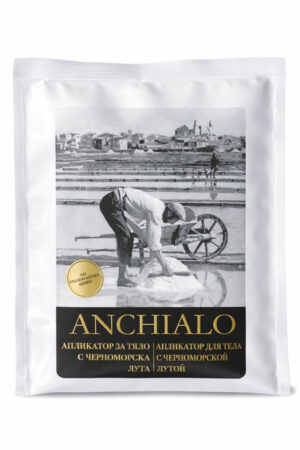
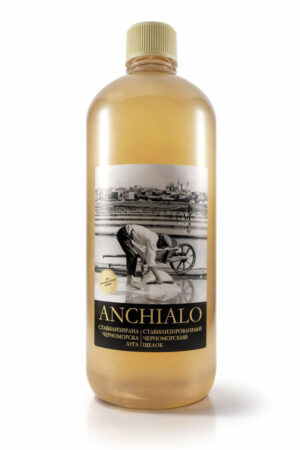
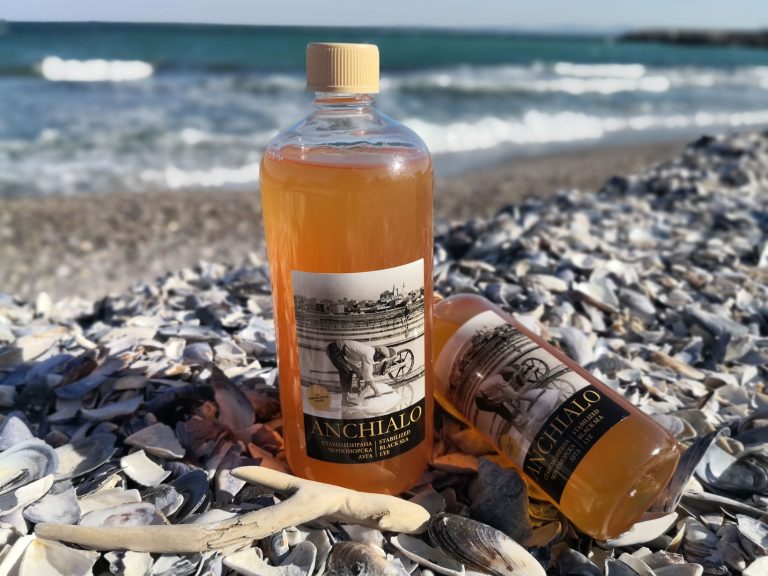
Would you like to use lye at home? See how to make baths and compresses with Black Sea lye — with ANCHIALO Black Sea lye and products with Pomorie liman mud.
Spa treatments in the medicinal lye
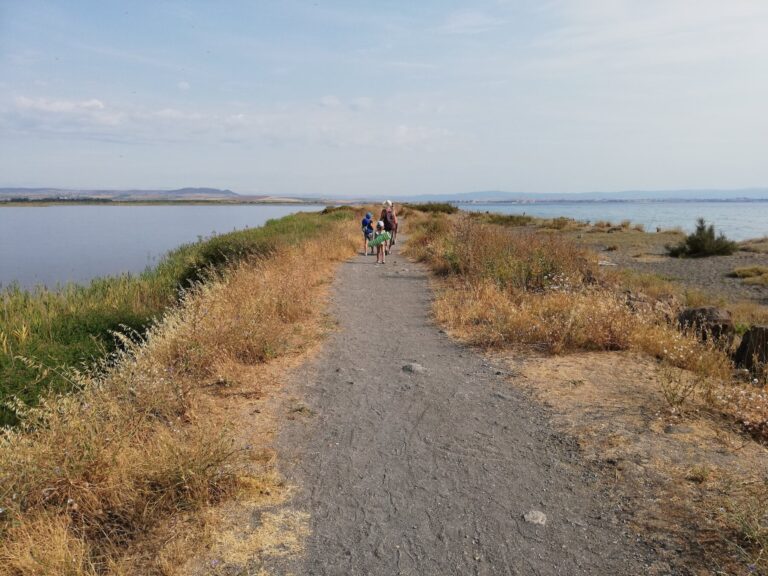
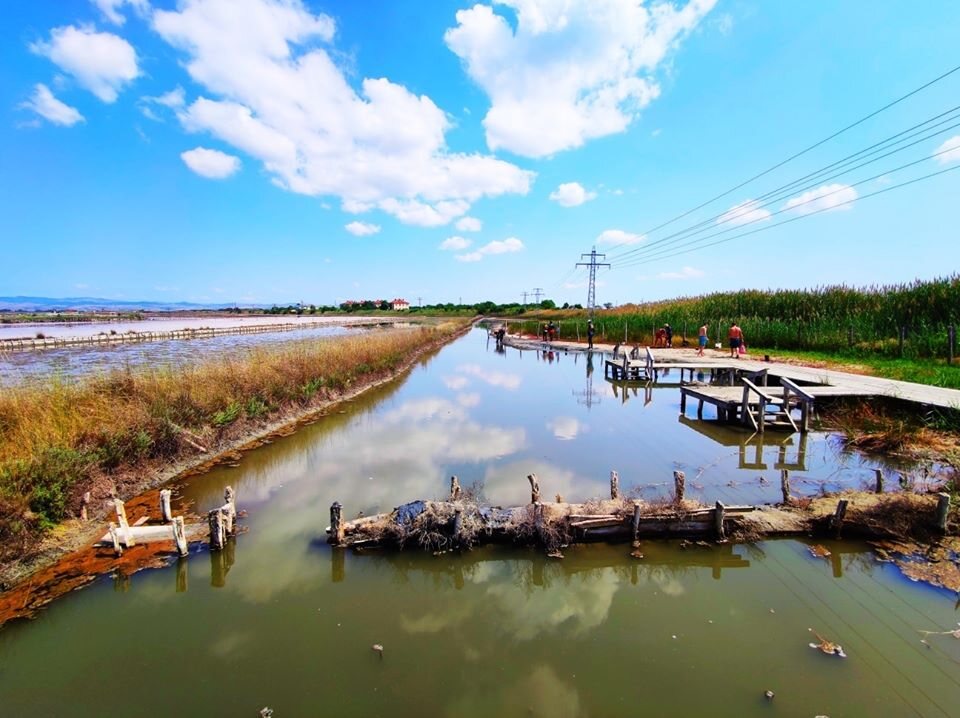
The salt route led me to the lagoon of Atanasovsko Lake, literally a stone’s throw from beautiful Burgas. On the road to Varna there is a turn-off for the salt pans. A narrow asphalt road takes you to the Burgas salt pans.
I visited the lye pools at the Burgas salt pans several times. The first was around midday, when the water is warm and it feels just like stepping into a hot mineral pool. That’s when it is busiest. Towards evening it is quieter and the water is not as warm.
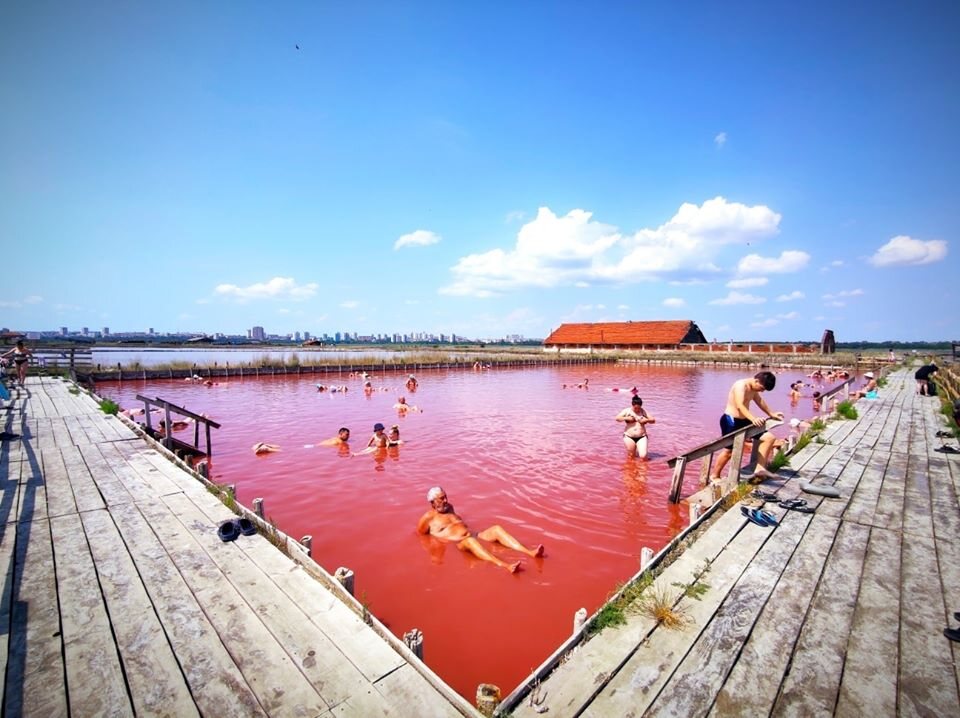
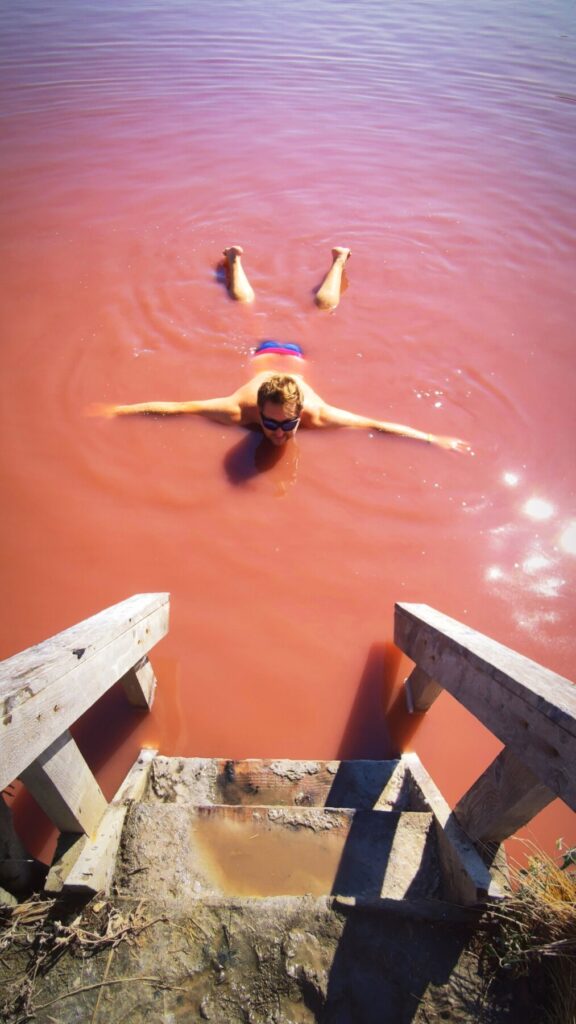
It is shallow, around 30-40 cm. When you step into the lye you can feel the coarse sea salt under your feet. / be careful not to cut yourself on the larger pieces /. The feeling of the lye on your skin is incredible. Afterwards your skin feels as soft as a baby’s bottom. It softens and rejuvenates! You can’t sink in the pools of the Burgas salt pans, so there’s nothing to worry about 🙂 You simply relax and float on the surface.
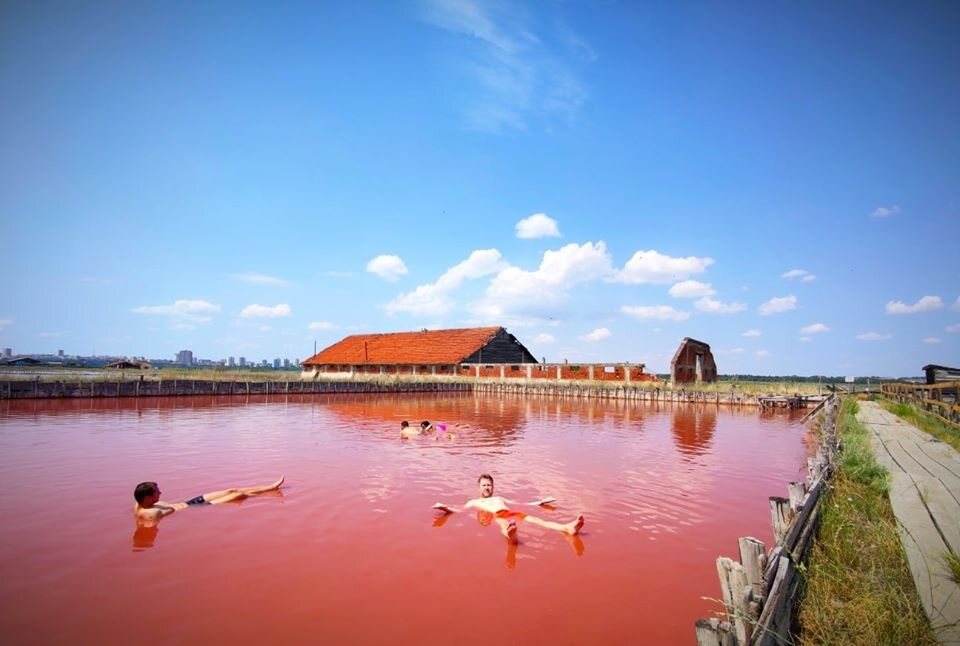
To avoid neck pain, you can bring an inflatable pillow (the kind used for long journeys on planes and coaches). If you do not bring one, they are sold ready-inflated by the main entrance.
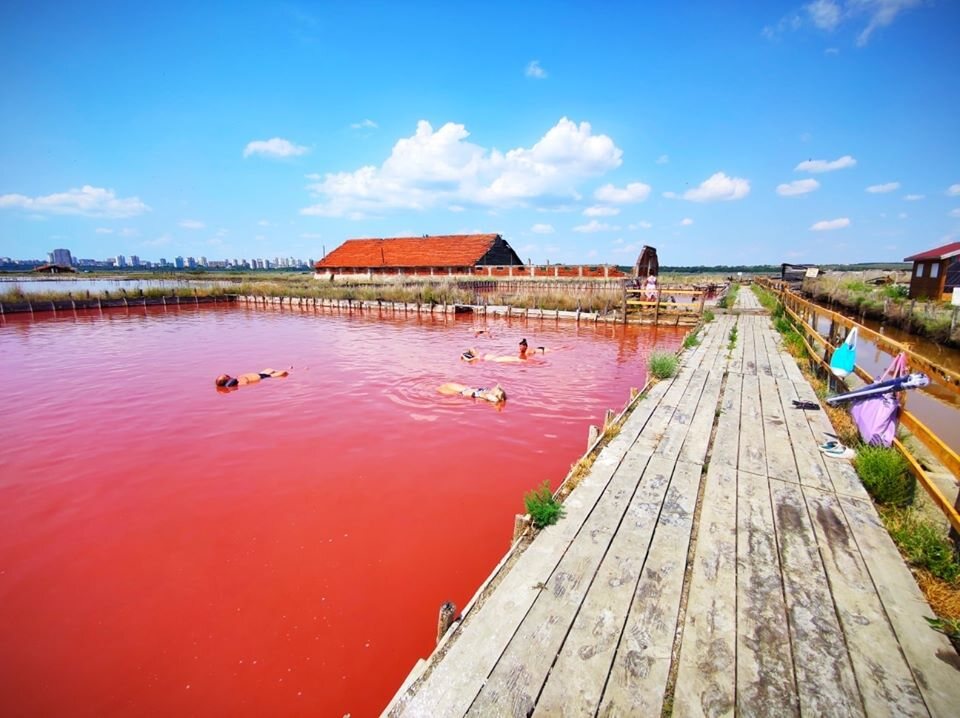
Black Sea lye has a proven medical effect. It is used in the treatment and prevention of conditions affecting the musculoskeletal system, skin inflammations and wounds, varicose veins, colds and chills. It is recommended for arthrosis, arthritis, tendovaginitis, discopathy, dislocated joints and sciatica.
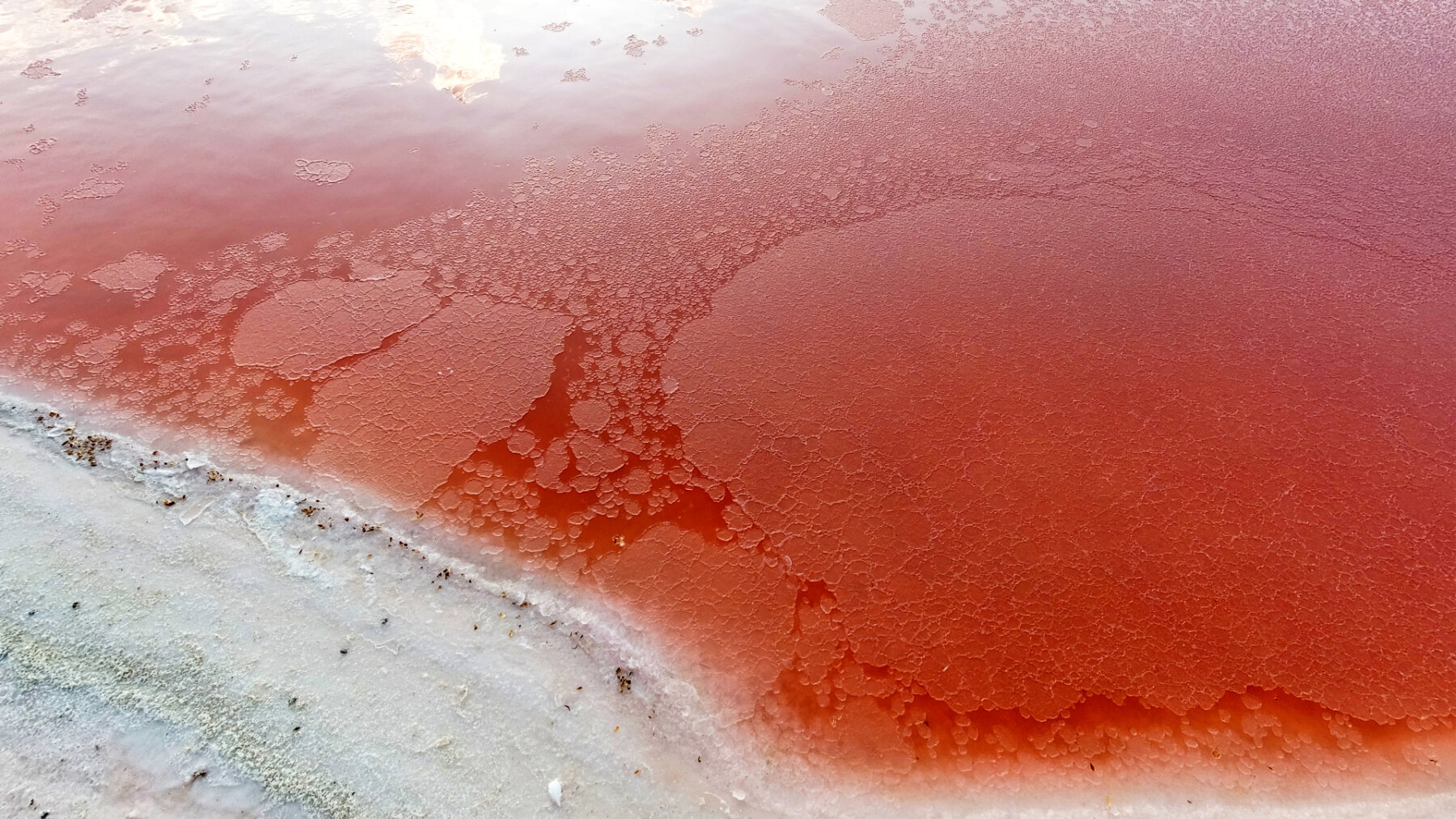
It is best not to stay in the lye for more than 20-30 minutes! At the entrance there is a detailed description of what it helps with, as well as which people with health problems should not go in.
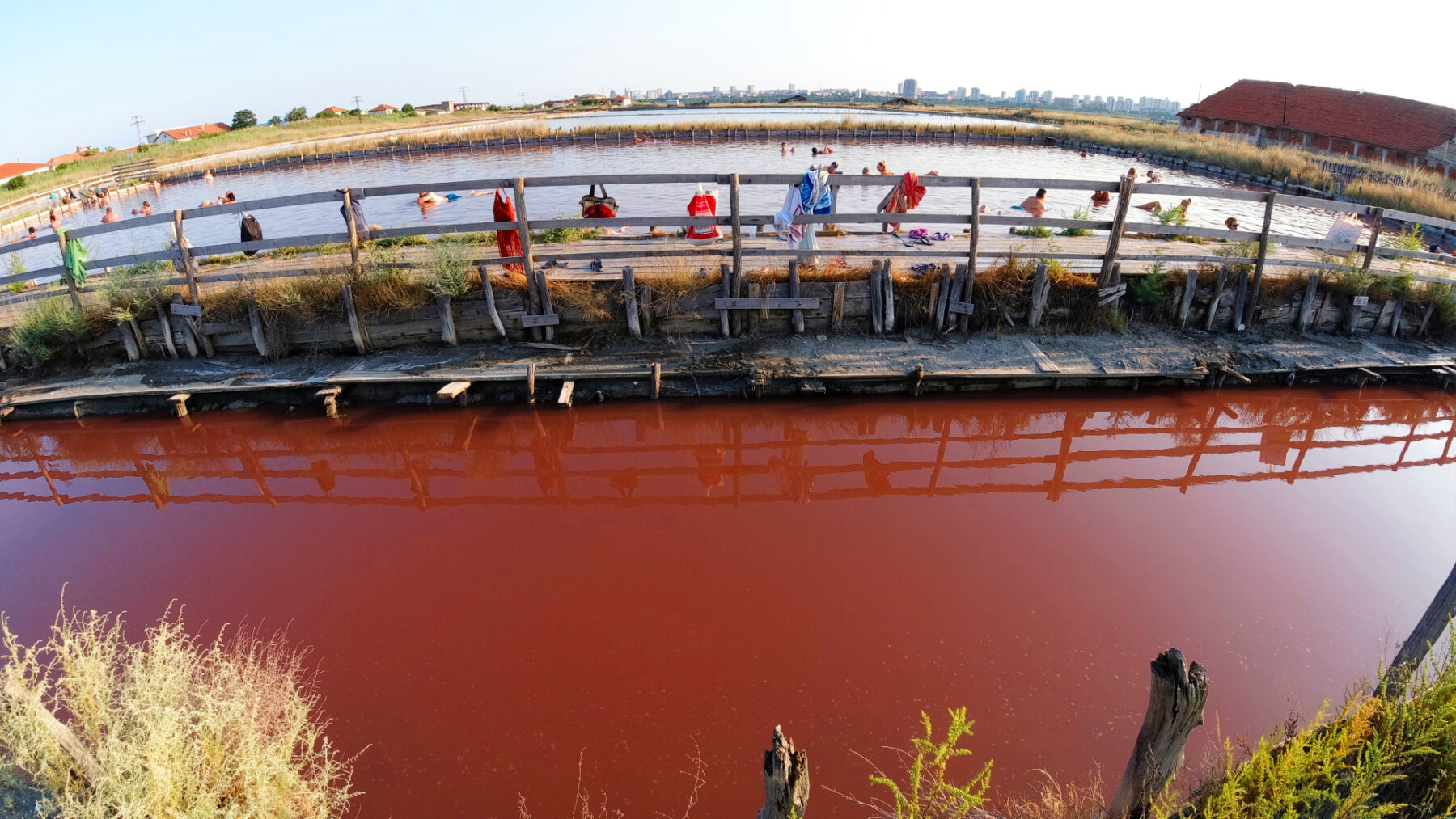
Important tips for visiting the Burgas salt pans:
*Under no circumstances should lye get into your eyes!!! It is painful, and if you have no fresh water to rinse your eyes thoroughly, it could have harmful consequences for your eyesight.
*Don’t be put off by the oily feeling on your skin. This is normal! On your way out you can rinse the lye off in the sea or in the showers next to the food outlets.
*Bear in mind that lye puts a strain on the heart, so don’t overdo it! Between 15 and 30 minutes max.
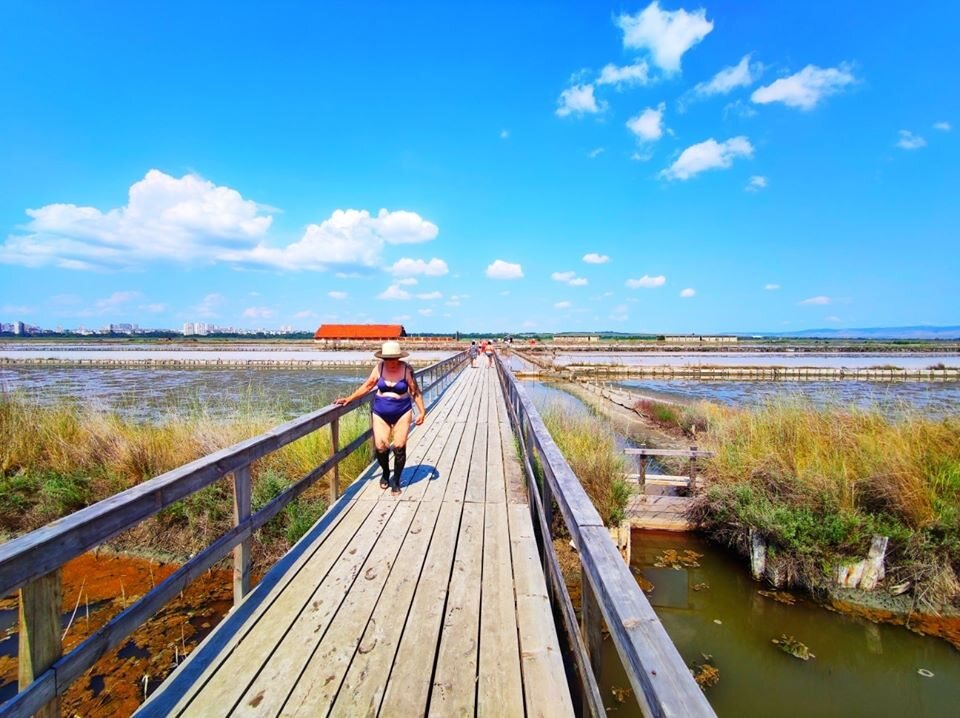
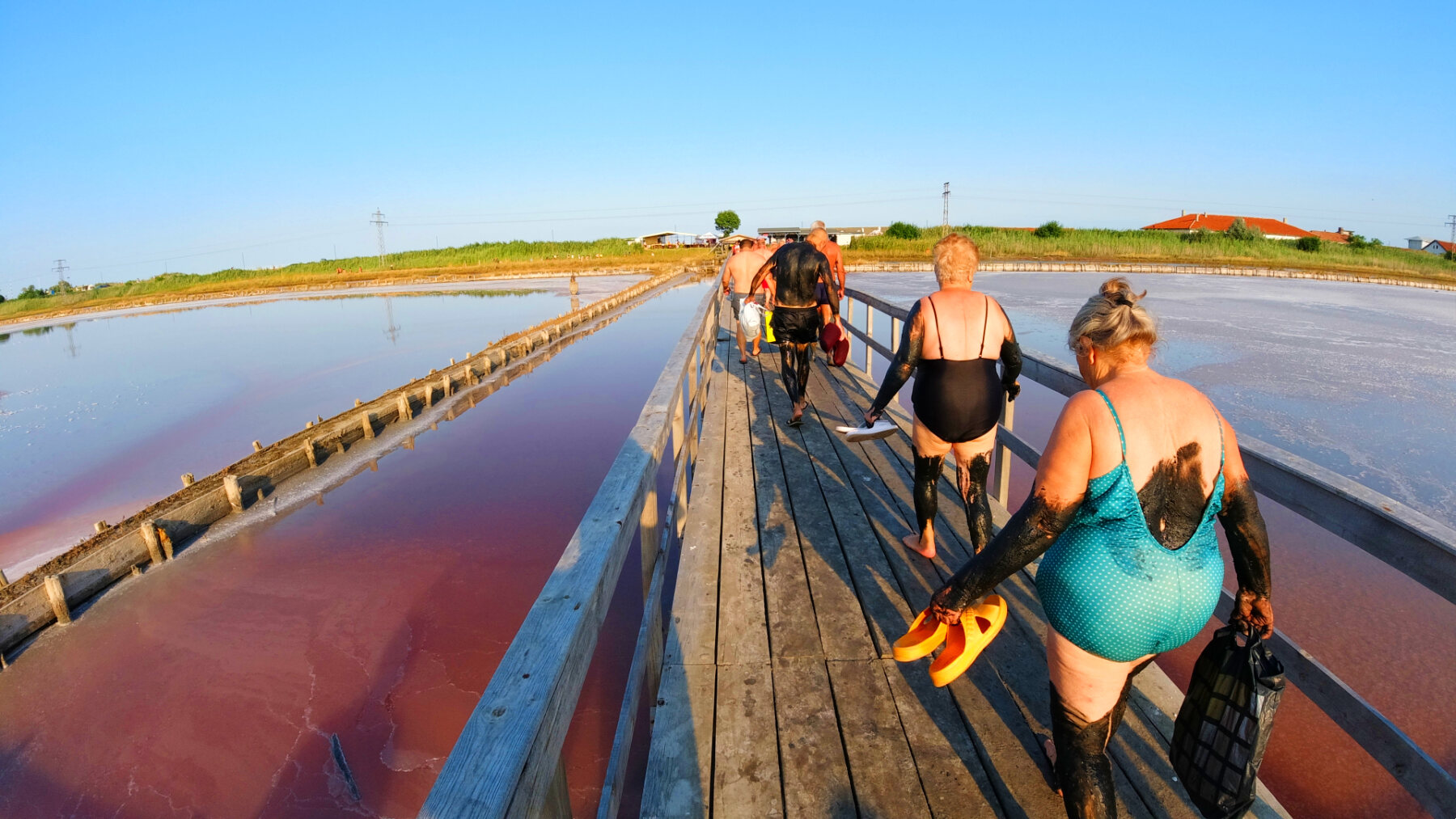
*Take care when walking on the wooden walkways, as they are very slippery and you could fall. When leaving the pools it is better to go barefoot, because flip-flops will slide a lot!
*Be aware that if you have open wounds, it will sting quite a bit!
*Wear an old swimsuit or shorts. The mud and salt will ruin them. They are hard to wash.
*Bring coins for the machine at the entrance, as access is through turnstiles.
*It is best not to take anything with you apart from a towel and a bottle of water. / in case you get thirsty or want to wash your hands before picking up your rucksack, for example /.
*If you want to take photos, it is best to do it before going into the lye, or for one of you to make the sacrifice and photograph the others. Bear in mind that lye is corrosive and could damage your phone! It also leaves unpleasant marks on the screen.
*There are hooks on the railings of the wooden walkways where you can hang your rucksacks, bags or towels.
Don’t forget:
*Entering the lye pools while covered in therapeutic mud is prohibited!
*It is not a good idea to apply sun protection products before going into the lye pools or before/after applying mud, because you block the pores of the skin and the spa treatments will have no effect!
*If you don’t want to end up with a stiff neck, bring inflatable pillows. That way you can relax and rest while floating on the water.
*From older Burgas residents I know that it is better to apply the therapeutic mud first, rinse it off in the sea once it has dried, and only then immerse yourself in the lye. This is because lye forms a dense layer on the skin, and if you apply mud afterwards, it cannot penetrate deeply.
*The healing effect of the Burgas salt pans is strongest if you visit the lye for at least 2 weeks!
*Do not use lye and therapeutic mud on an empty stomach, immediately after eating or after drinking alcohol!
*Occasionally, although rarely, an intolerance to the lye and mud appears after the first treatment. It shows as large red patches and itching. This allergic reaction usually passes quickly, but if it happens again the next time, it is better to stop.
*There are changing rooms and showers right by the entrance to the salt pans. They are coin-operated and chargeable, so it is a good idea to bring coins with you.
Mud baths at the Burgas salt pans
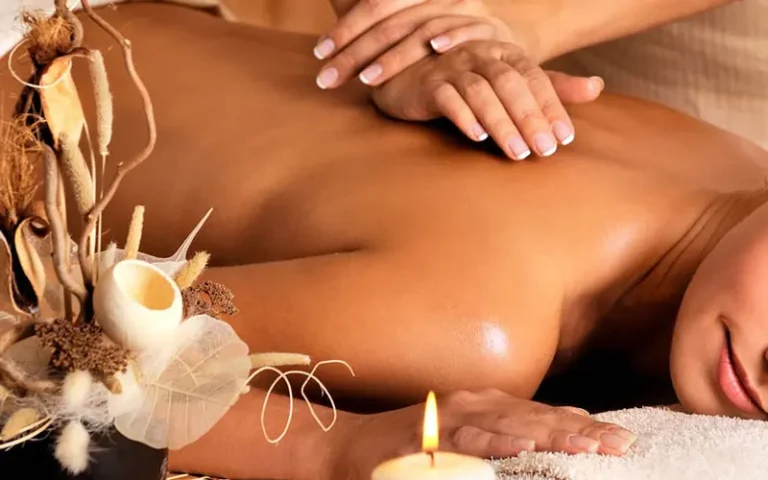
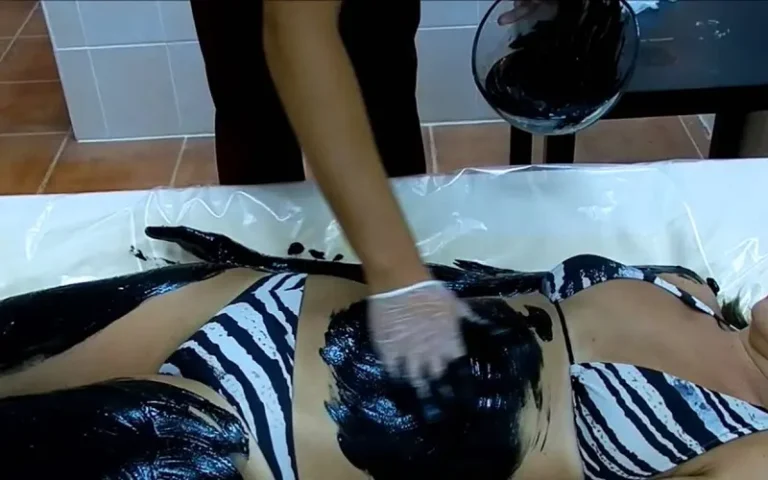
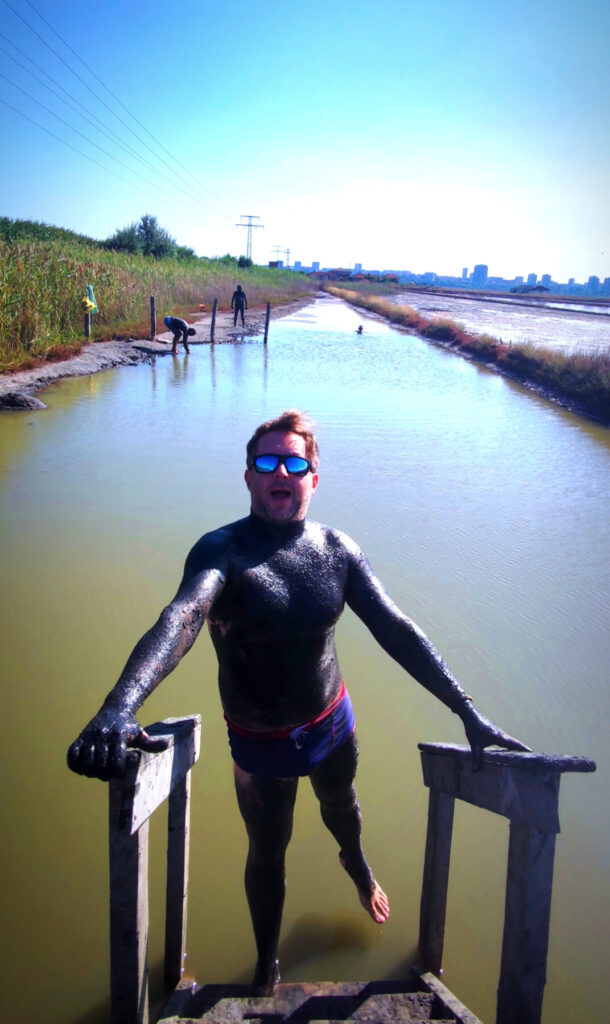
Next to the lye are the areas for mud therapy. It works wonders for all sorts of aches and pains.
Healing properties of the mud in the Burgas salt pans
“Therapeutic mud is a sediment product of the closed salt lake; it is pure and homogeneous, dark grey to black in colour, with a smell of hydrogen sulphide from the many decomposing microorganisms. It contains inorganic components such as silicates, sands, gypsum, iron and aluminium compounds, various hydroxides and salts. This composition was formed over thousands of years from the decomposition of single-celled organisms, algae, fish, crabs and mussels.”
“One centimetre of therapeutic mud takes at least a year to form. The essence of mud therapy is its complex effect on the entire peripheral nervous system. Its thermal properties dilate the blood vessels and open up new capillaries.
This reduces swelling and pain, wounds heal and scars fade, while metabolic and regenerative processes improve.”
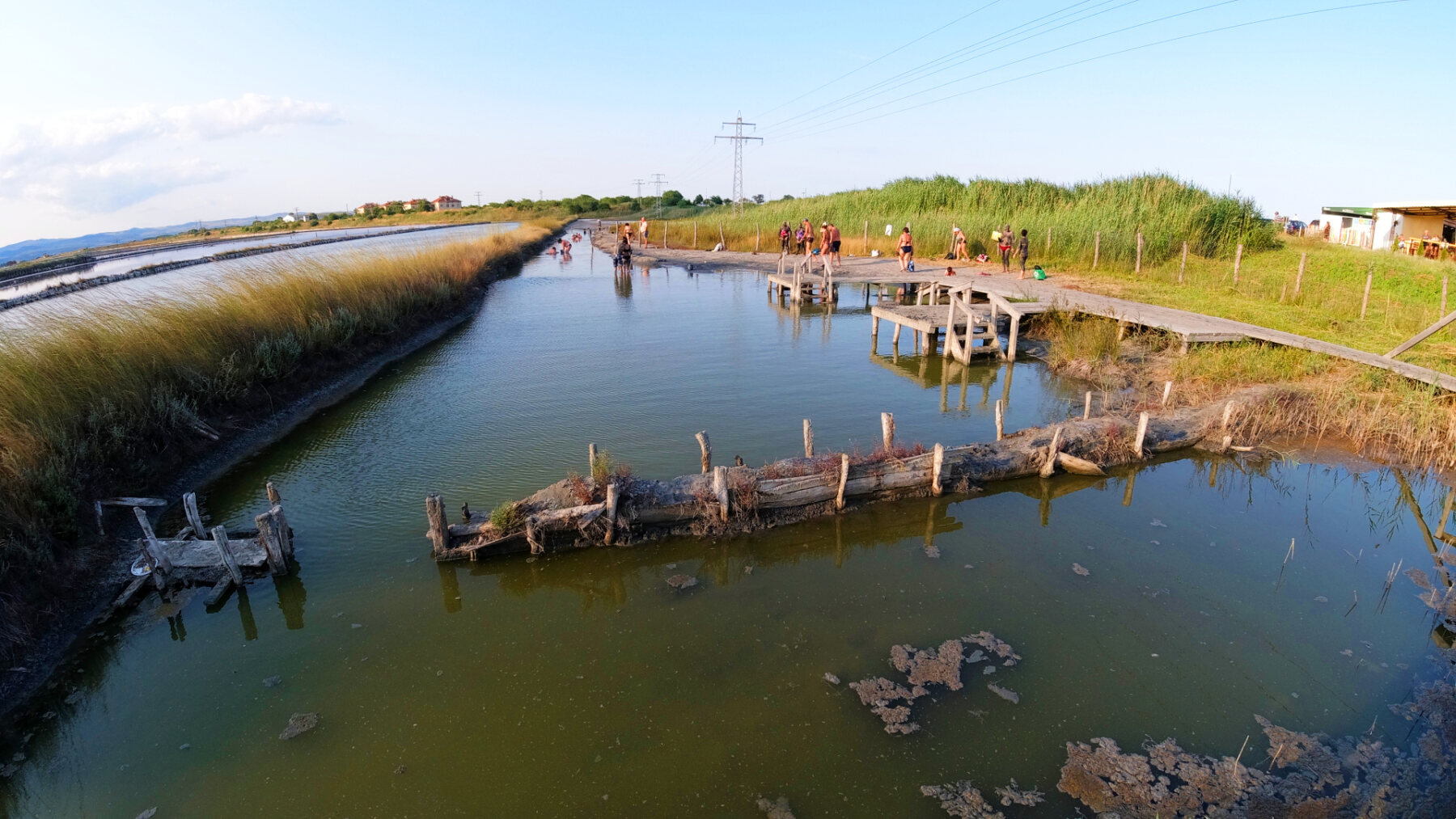
“The mud beautifies and rejuvenates, because calcium, iodine, phosphorus and other substances pass through the skin. It treats almost the entire range of skin conditions, arthritis, disc herniation, gynaecological problems and plexitis.”
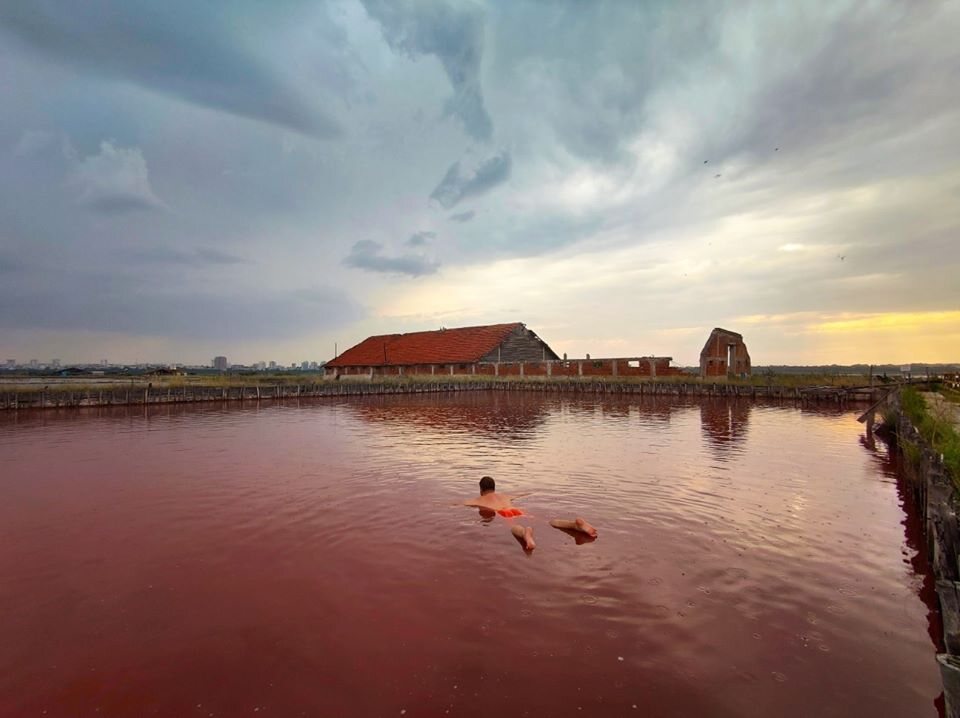
The second time I visited the salt pans it was early evening. A real adventure, because a thunderstorm was rolling in. There were literally a dozen of us brave souls who went in for a dip. When the thunder really started to crack, we decided not to turn ourselves into targets or tempt fate and Zeus, so we got out of the lye.
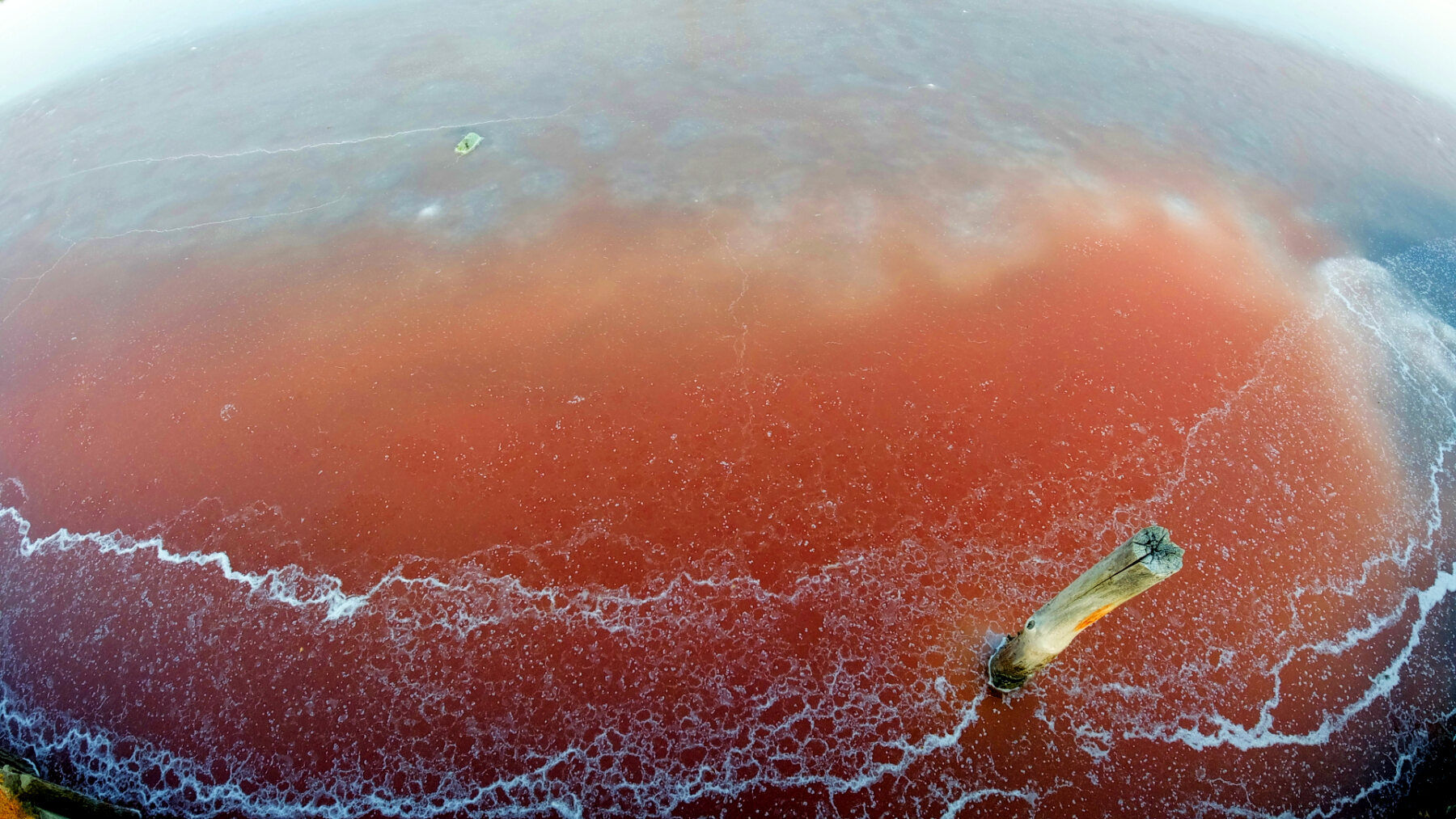
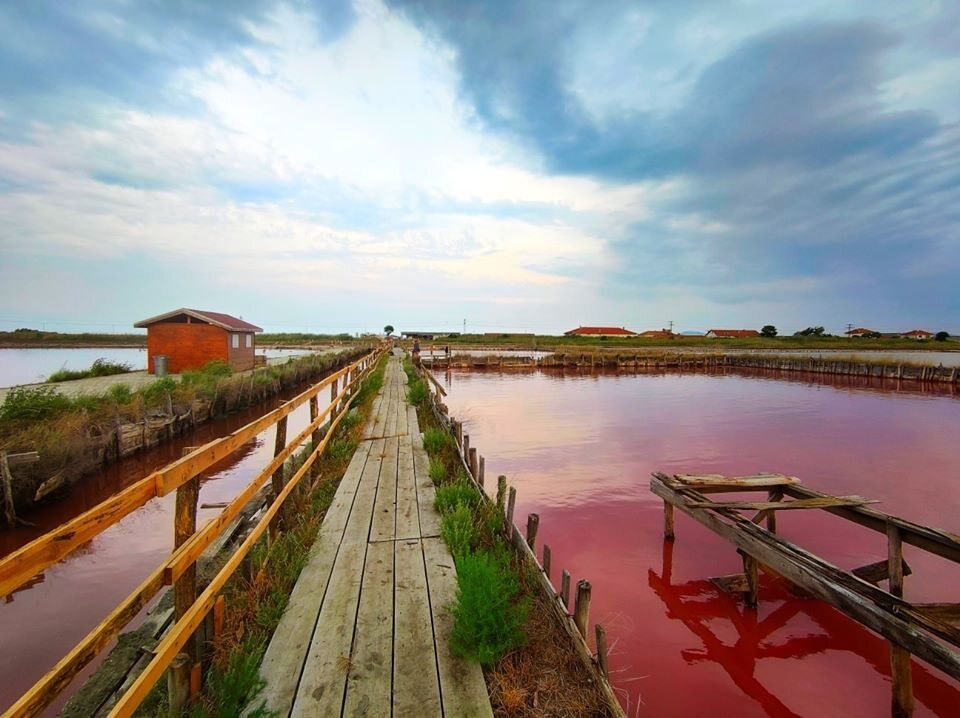
I would like to thank Bayram Memish for sharing the details of why the colour of the lye in the Burgas salt pans is red:
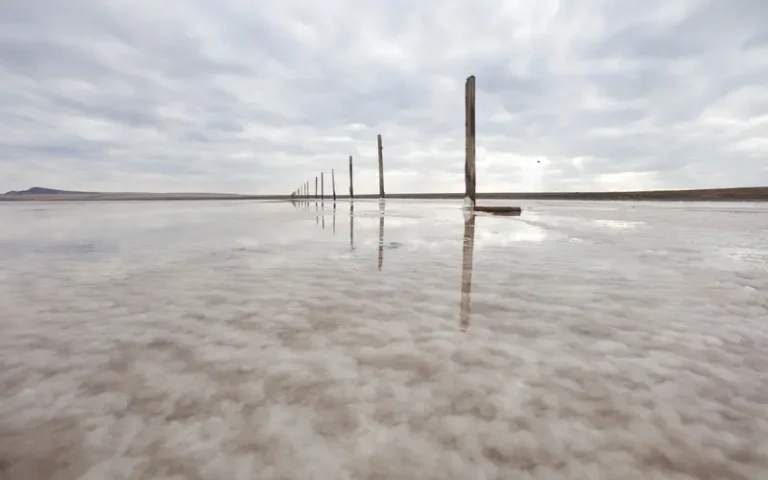
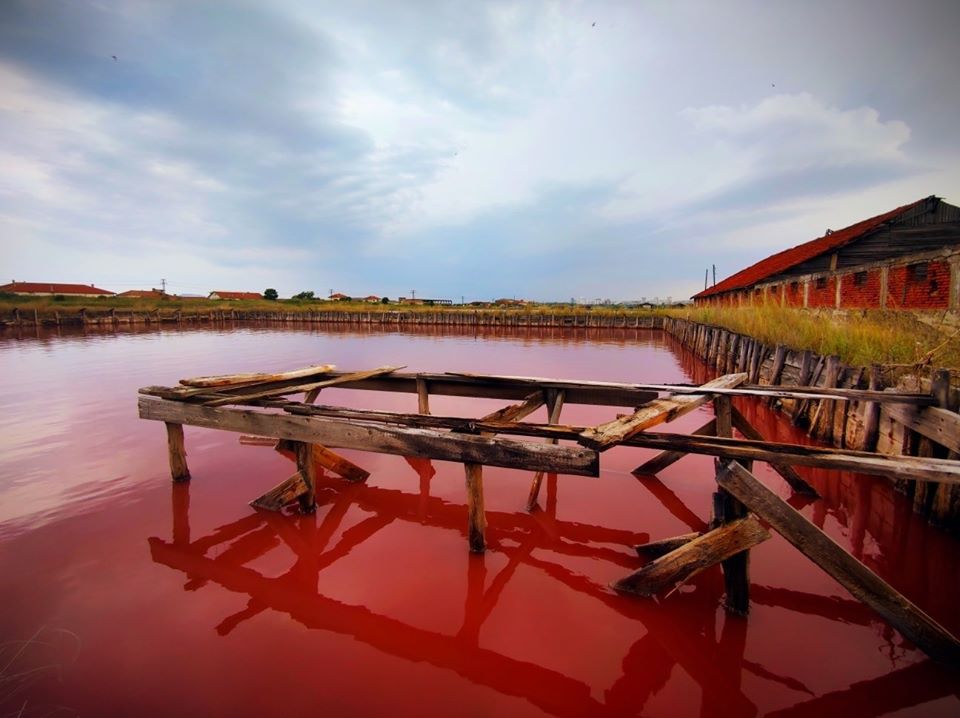
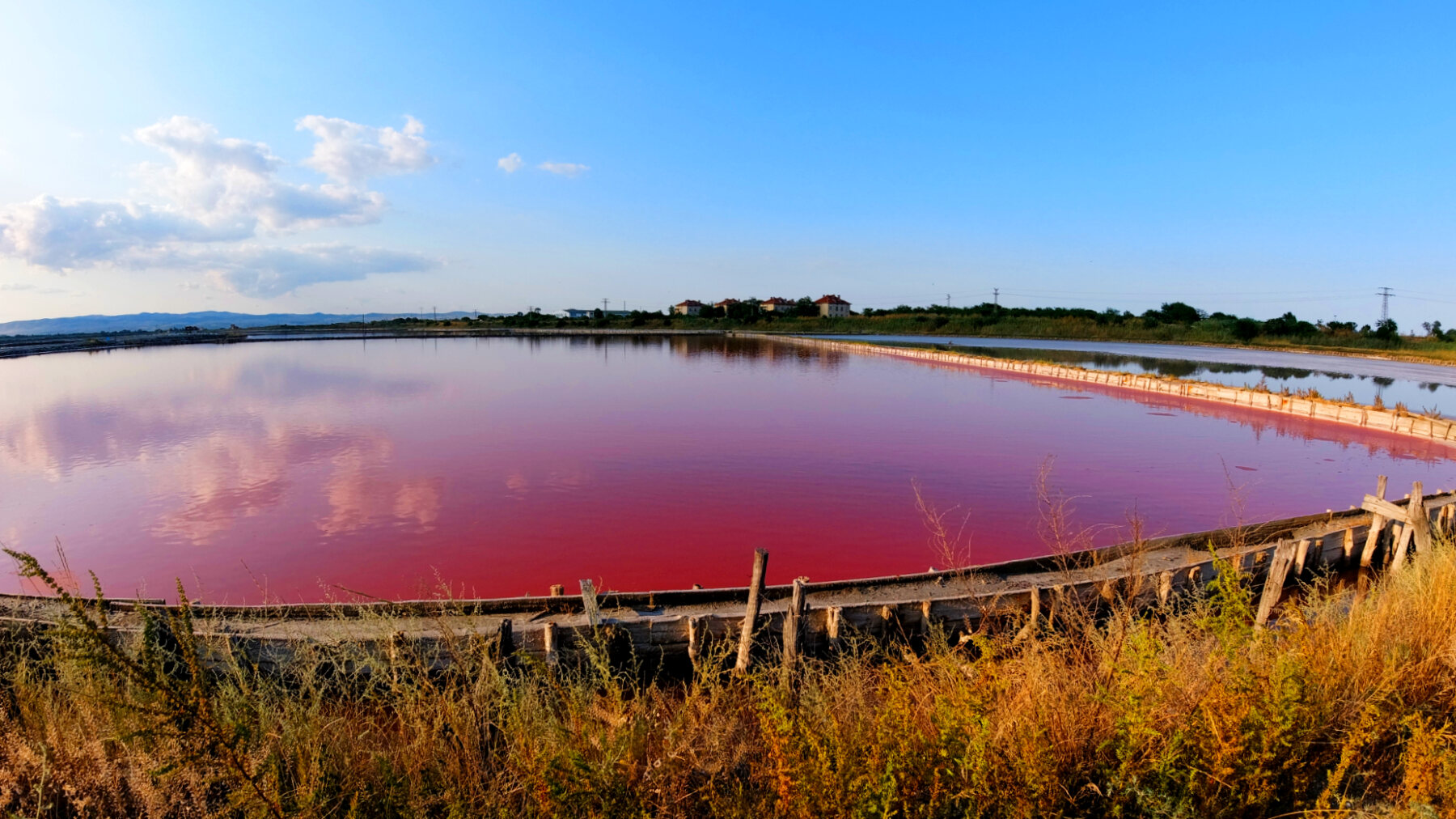
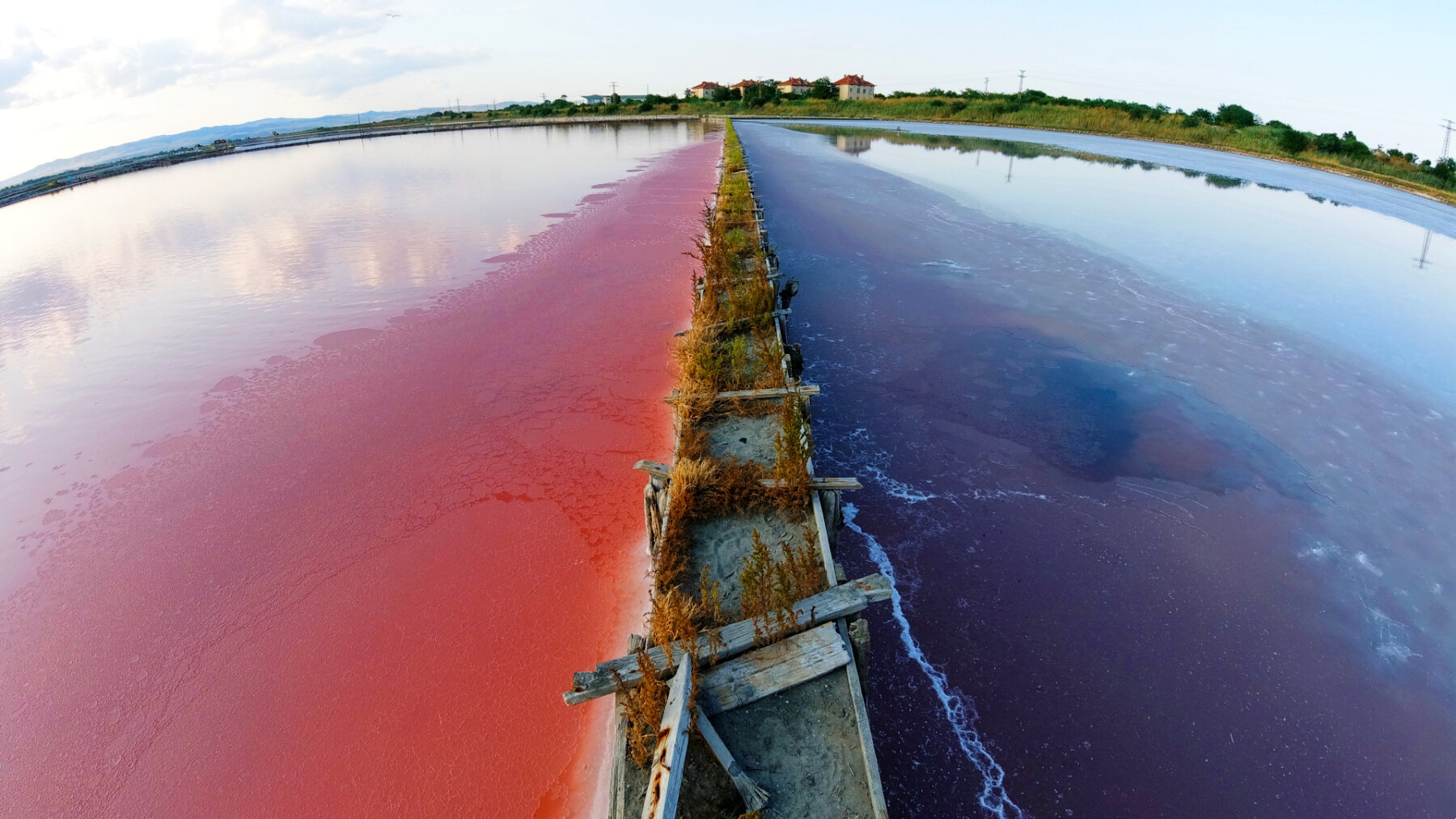
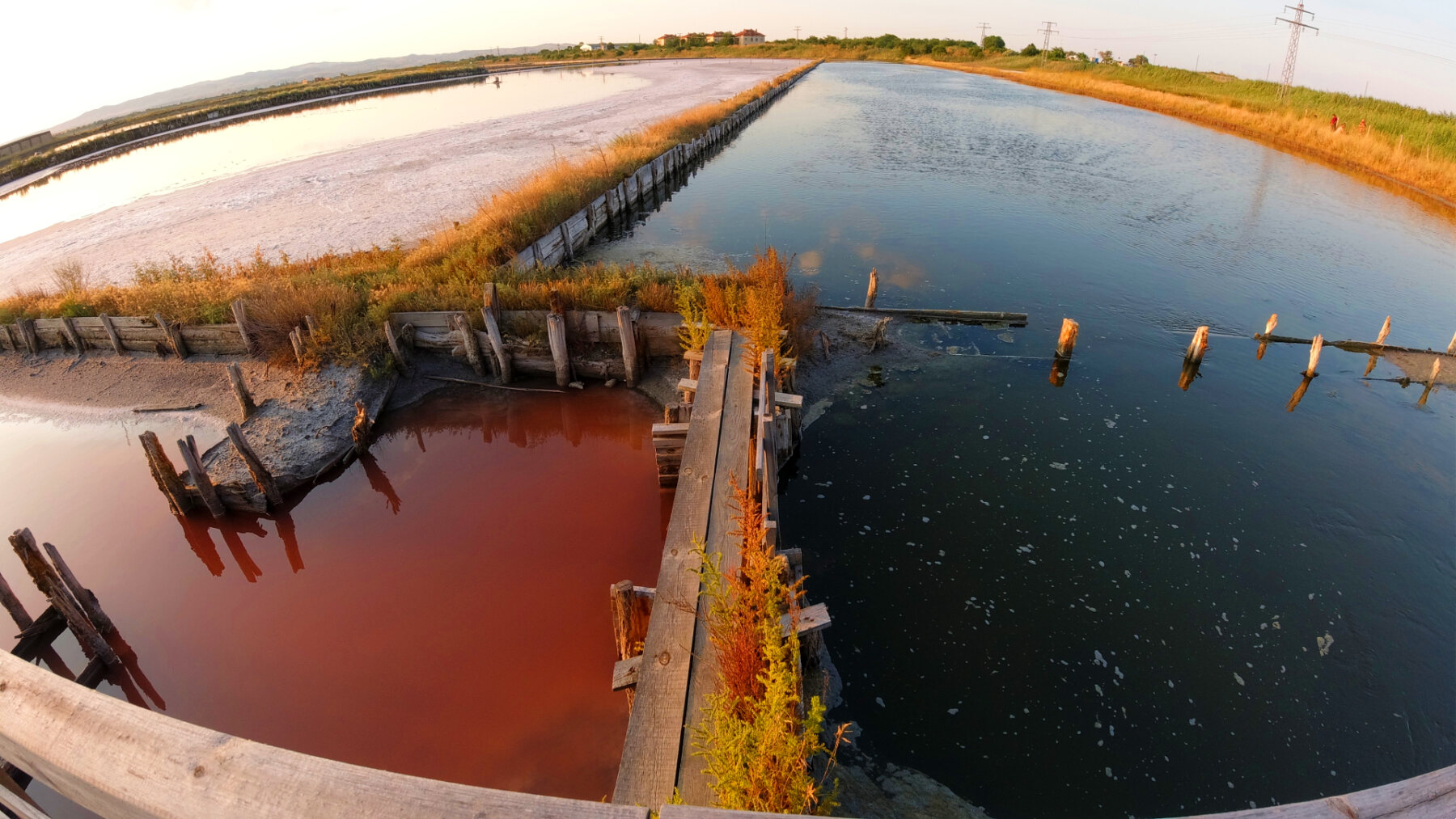
“It is observed in basins with a salinity above 100-120 parts per thousand. There, the colour is due to two factors. On the one hand, at such a high concentration the magnesium salts begin to crystallise, and they are red in colour. Even so, there are organisms that can live in such titanic conditions. One such example is the single-celled alga Dunaliella salina.
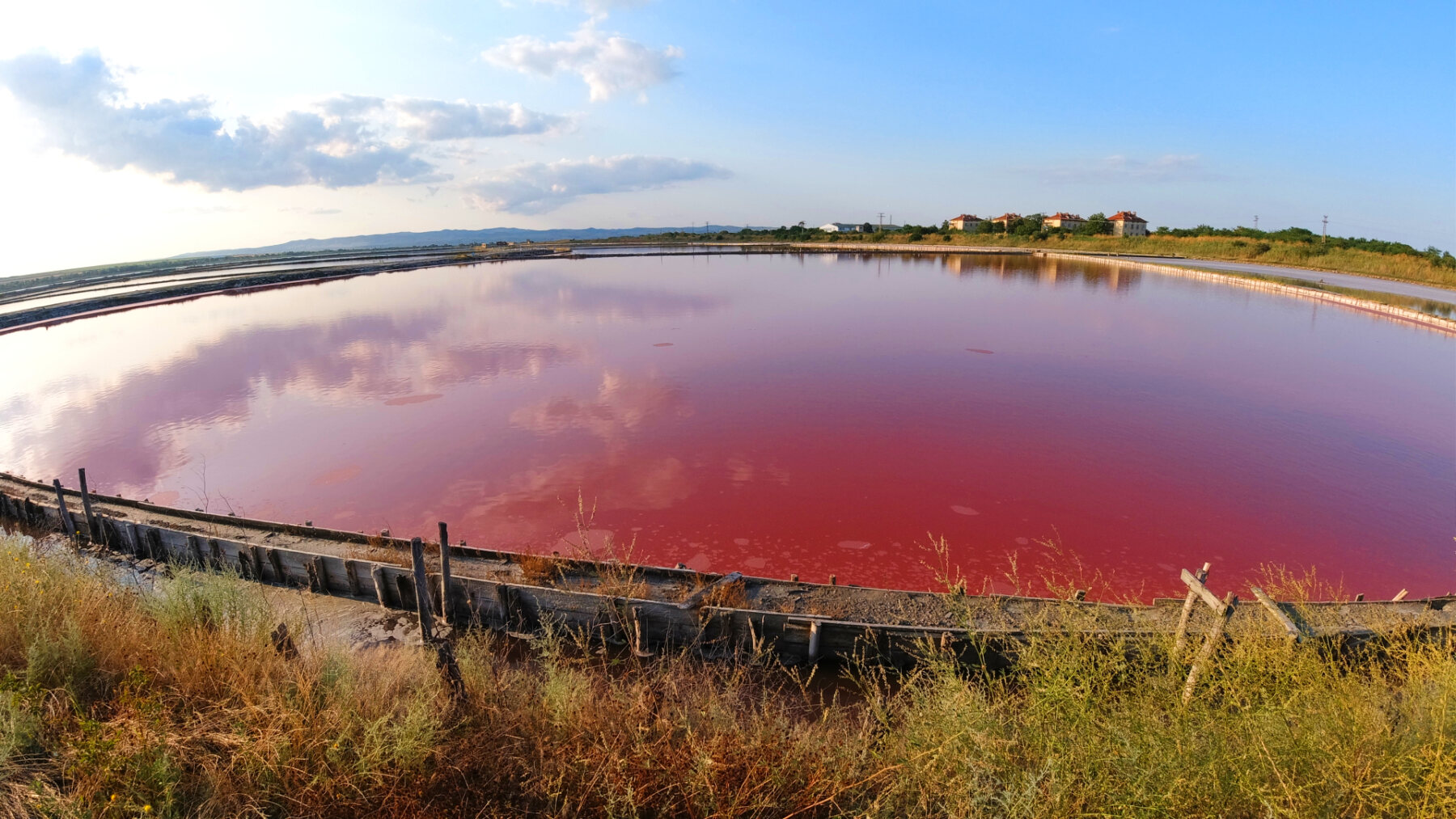
It is precisely the beta-carotenes of this organism, together with the high concentration of magnesium salts, that give the red (pink) colour to the waters in the crystallisation basins of the salt pans.
Useful information
How to get to the salt pans
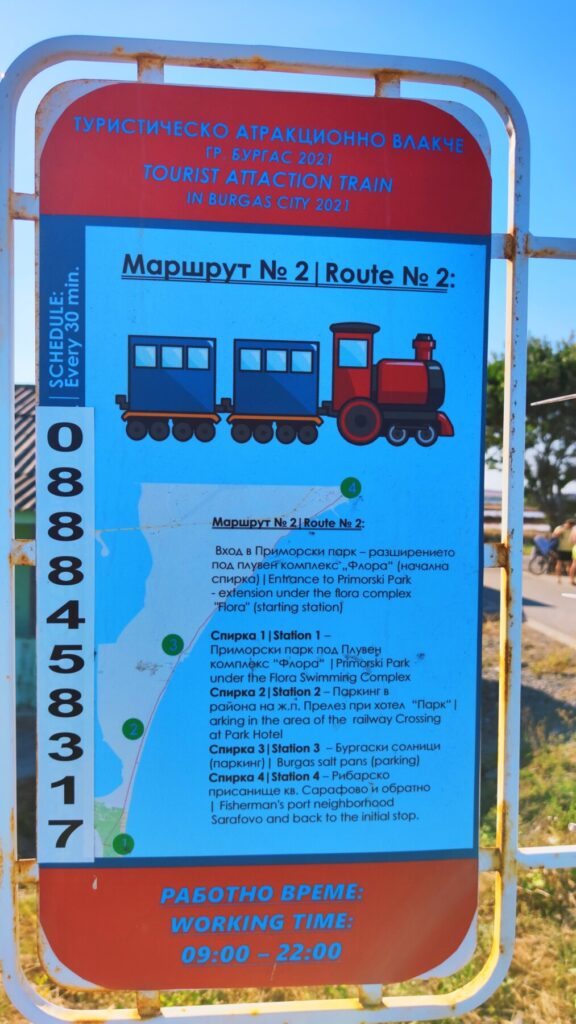
The easiest way to get there is to enter the coordinates of the Burgas salt pans, or simply watch out for the turn-off on the Burgas–Varna road. Take the right-hand turn at the junction for Kableshkovo, then turn right again. Follow the signs for Salt Pans South (Solnitsi-Yug). You will come to a former bunker standing right on the shore. On your right you will see a small bridge and the barrier to the paid car park of the salt pans. Another way to reach the salt pans is by the tourist train. In the photo you can see its route and times:

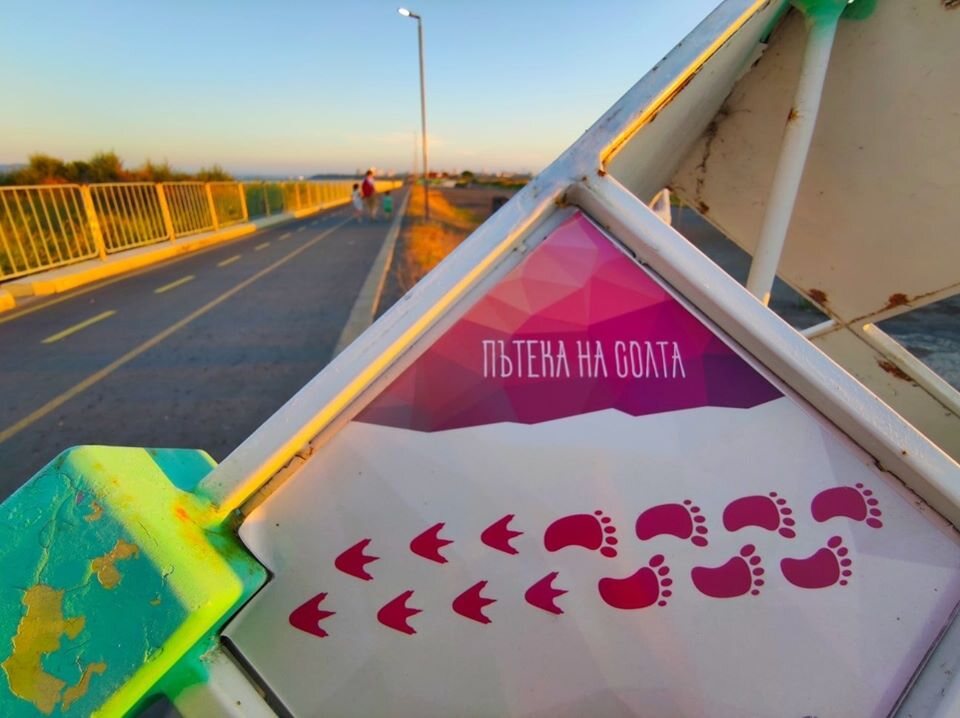
You can also reach the salt pans by bicycle from the Sea Garden in Burgas. There is a wonderful cycle path along the sea.
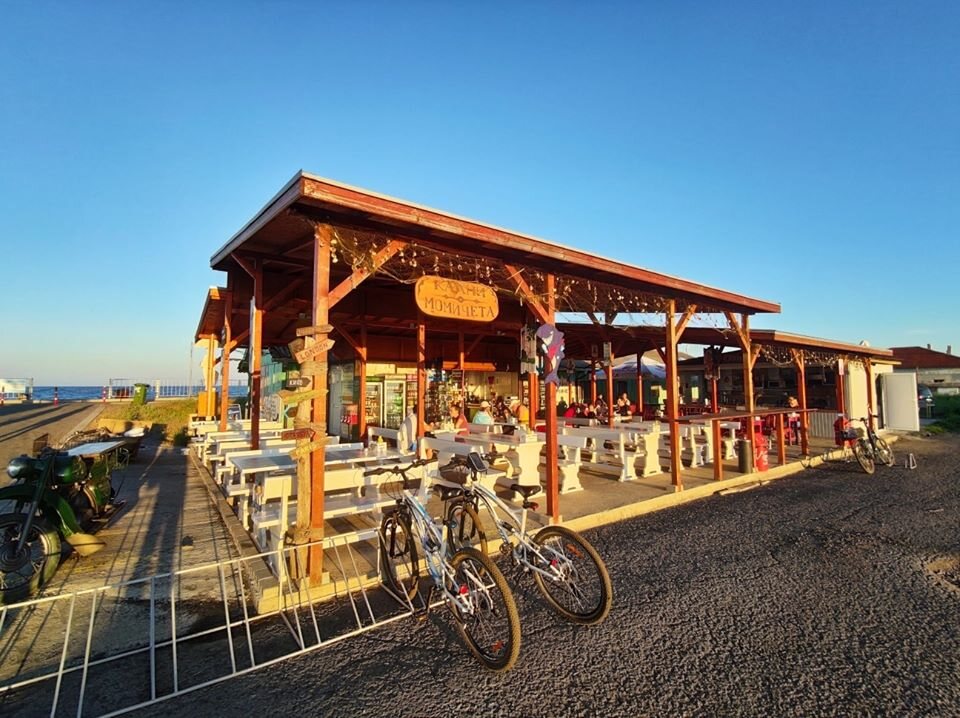
There are two venues serving drinks and food where you can rest after your spa treatments. They also sell therapeutic cosmetics produced by the Bulgarian Academy of Sciences. There are changing rooms and showers right by the entrance to the salt pans — they are chargeable, so bring coins with you.
Opening hours:
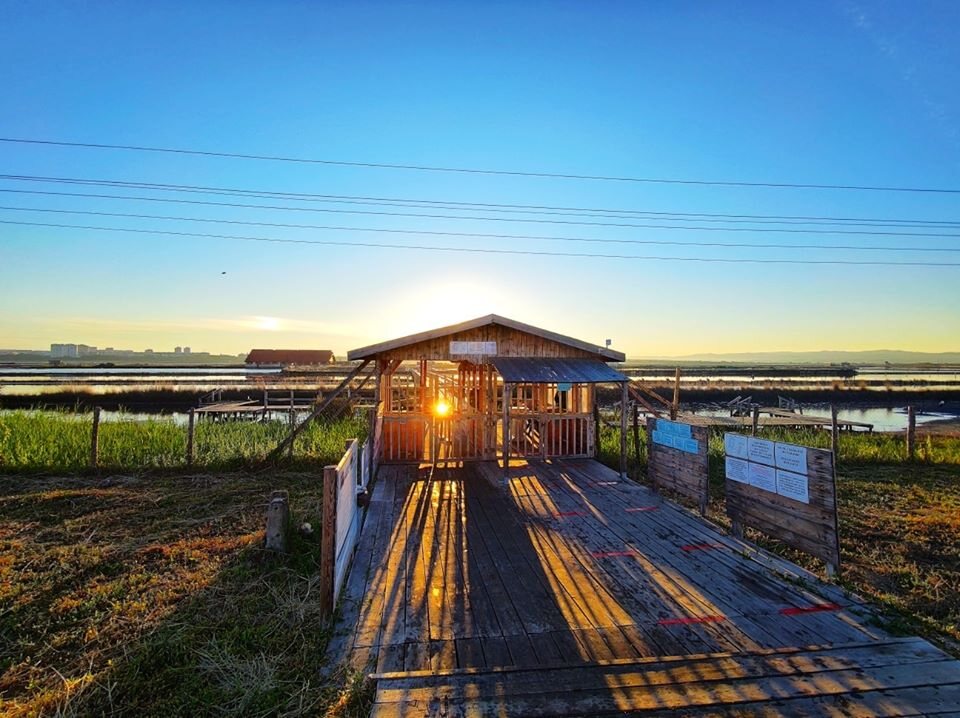
Opening hours are every day from 08:00 to 20:30. Visitors must leave the site by 21:00. In September the opening hours are 08:00 to 19:30. Lye is not recommended for children under 12. There is an admission charge and the machine at the entrance accepts coins.
A look back at the history
The extraction of sea salt from the lakes along our Black Sea coast goes back centuries. Salt has been produced industrially from Atanasovsko Lake since the 18th century. “BLACK SEA SALT PANS” is one of the oldest enterprises in the country. It was founded in 1906 by A. Iliev in partnership with I. Turshu from Romania, when construction of the facilities began near the village of Atanasovo (now the Izgrev district of Burgas). The first 6,000 t of salt were produced in 1908. Over the course of 100 years the enterprise has developed and been continuously modernised. The extractive industry played only a minor role in the economy before the Ninth of September. From 1944 to 1947 the enterprise was owned by the Soviet Union, which handed it over to the People’s Republic of Bulgaria. Output rose rapidly, as new equipment was supplied — washing machines, small diesel locomotives, conveyor belts and more.
Lye and mud at home
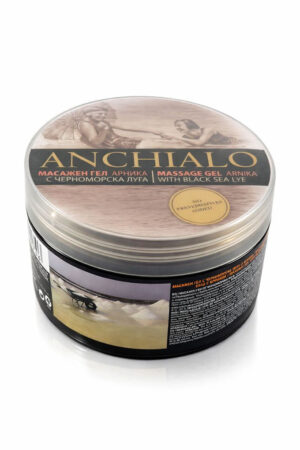
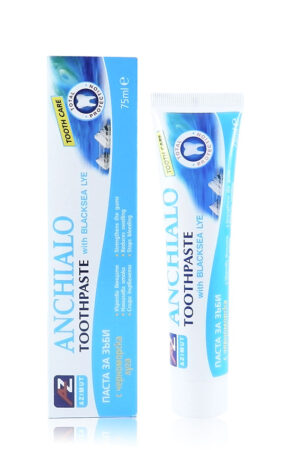
Can’t get to the salt pans? The same natural ingredients are found in ANCHIALO products:
- Black Sea lye — for baths and compresses at home;
- Products with Pomorie liman mud — body mask and soap;
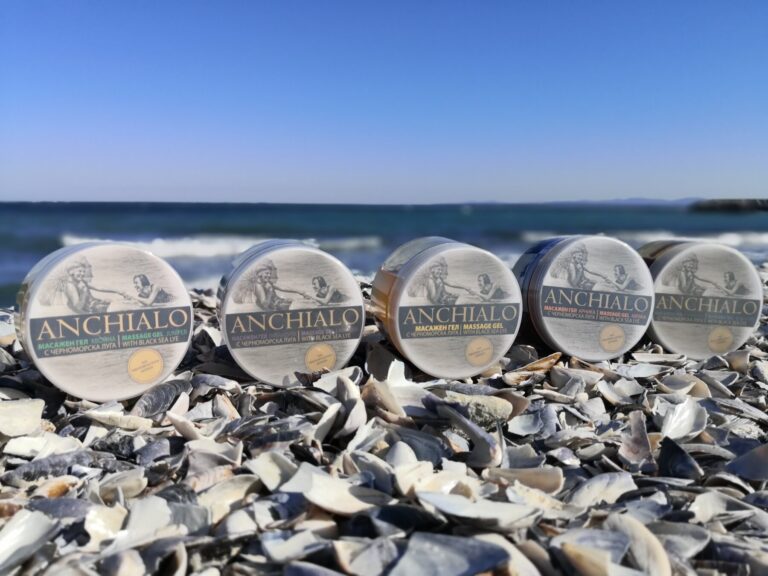
- Massage gels with lye — for joints and muscles after exertion;
- Bathroom products — shampoos and shower gels with lye.
How to use them: baths and compresses with Black Sea lye.
Text and photographs: Zhivko Konstantinov. Originally published at: jivkokonstantinov.com (16.08.2020)


About Luga.bg
Maker of natural products with Black Sea lye and liman mud from Pomorie. We have been writing about lye, mud and sea minerals since 2015 — with doctors, physiotherapists and our own experience.